Belize, Guatemala, and Honduras promote a regional agenda to strengthen climate resilience and restoration
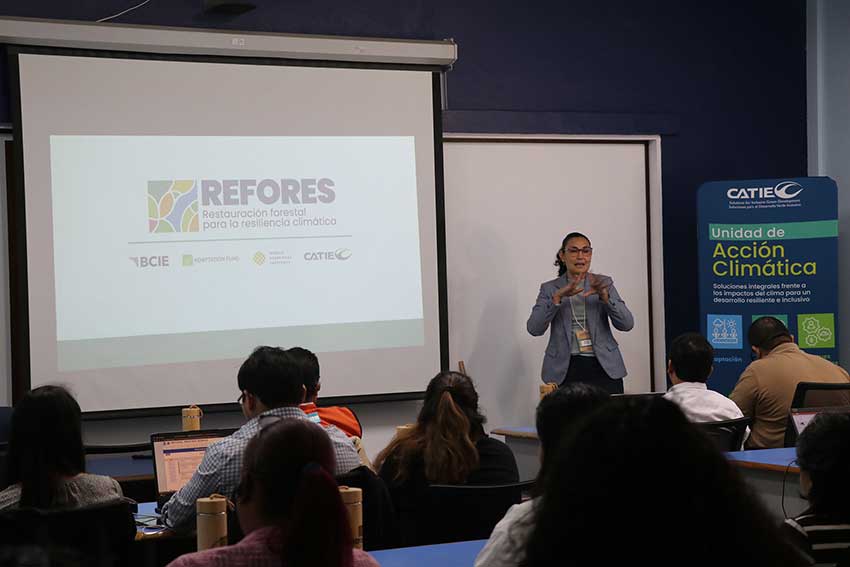
- Over three days of collaborative work, the delegations shared progress, aligned national roadmaps, and deepened their understanding of the key role of restoration for adaptation in strengthening risk management and sustainable development.
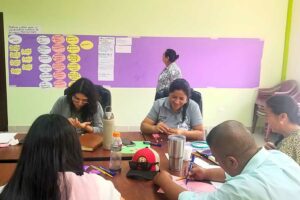
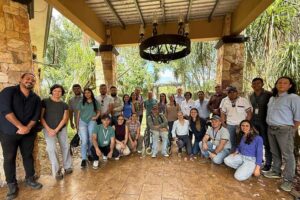
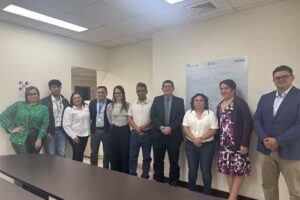
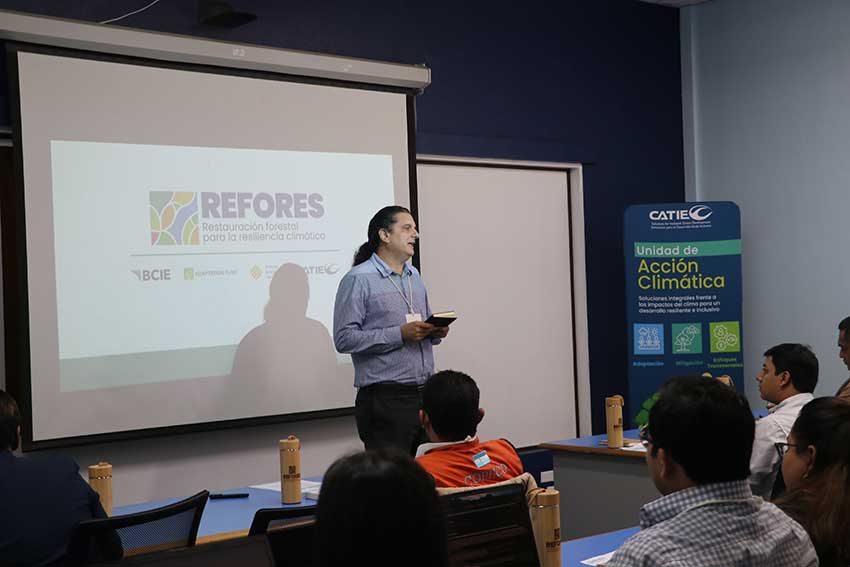
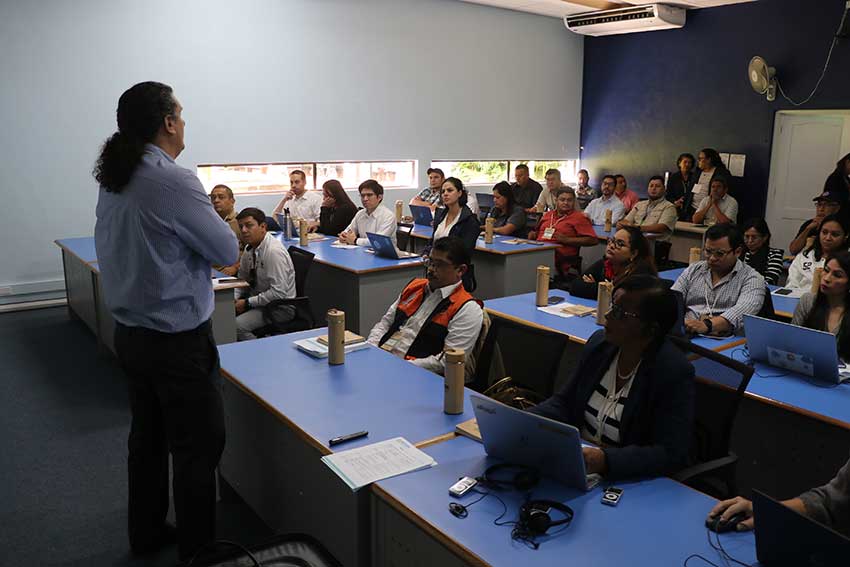
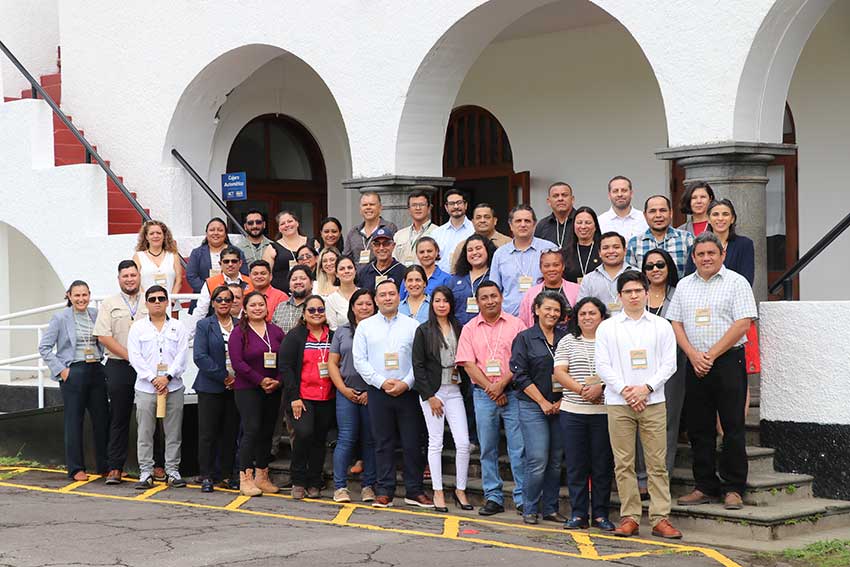
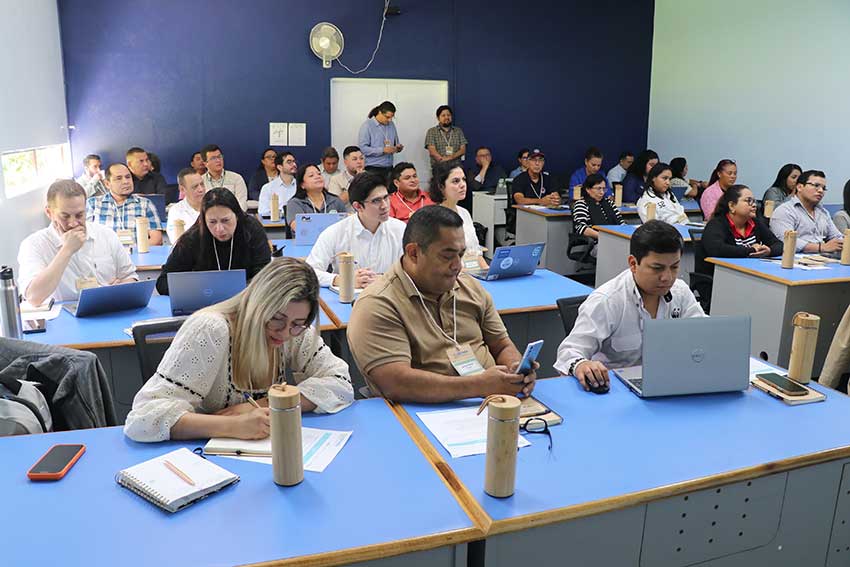
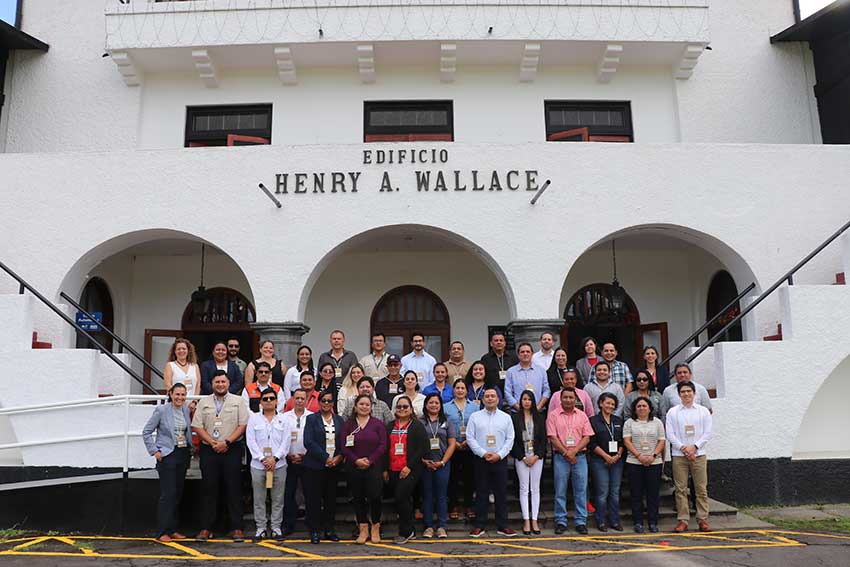
The REFORES Project – Forest Restoration for Climate Resilience successfully held its 2025 Regional Meeting on December 2, 3, and 4, bringing together at the CATIE (Tropical Agricultural Research and Higher Education Center) headquarters in Turrialba, Costa Rica, focal points and representatives from government, local organizations, and partner communities, along with national technical teams from Belize, Guatemala, and Honduras, as well as specialists from CATIE and the World Resources Institute (WRI).
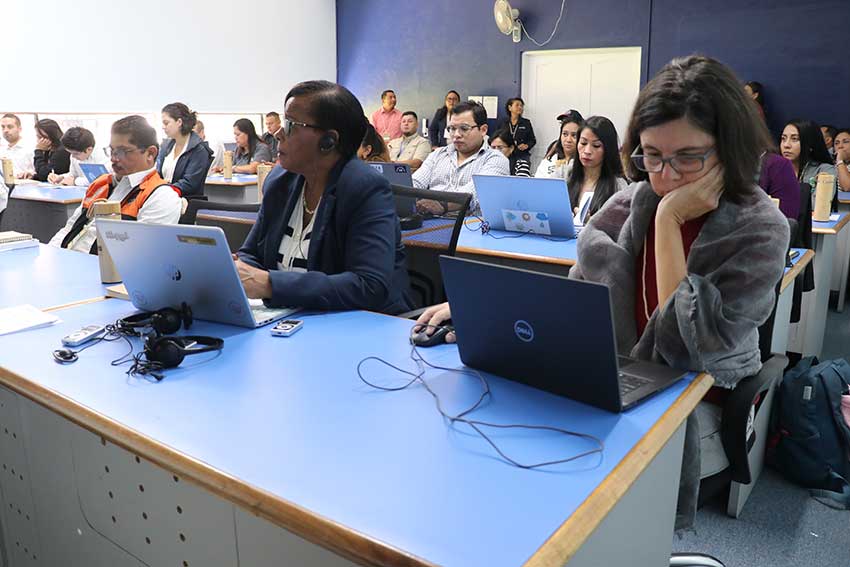
Over three days of technical exchange and strategic dialogue, the delegations shared national progress and work pathways, while strengthening knowledge on the central role that restoration for adaptation plays in risk management and sustainable development.
The importance of validating advocacy briefs related to a set of policy priorities relevant to the participating countries was also highlighted, as well as the implementation of Community-Based Early Warning Systems (CB-EWS) and national platforms and local multi-stakeholder networks as key mechanisms to facilitate capacity-building processes and decision-making oriented toward restoration, climate risk management, and territorial resilience.
REFORES is a regional initiative implemented in Belize, Guatemala, and Honduras, aimed at strengthening the climate resilience of the territories of the Gulf of Honduras through the implementation of Nature-based Solutions. The project promotes forest landscape restoration, the strengthening of institutional and community capacities, and regional coordination to improve climate risk management, contributing to more sustainable livelihoods and adaptation to extreme climate events.
Regional coordination
The meeting enabled the identification and alignment of regional priorities, as well as areas of collaboration, and the agreement on a preliminary roadmap to guide joint efforts in the coming years. This roadmap focuses on strengthening institutional and community capacities, promoting restoration interventions with a resilience-based approach, and consolidating coordination mechanisms among countries to improve climate risk management.
Through the dialogue, critical capacities needed to strengthen institutions, local organizations, and community actors were identified, along with a set of regional enabling actions linked to inter-institutional coordination, knowledge management, climate finance, and inclusive participation with cultural relevance.
Joint agenda
As a central outcome of the meeting, progress was also made in the initial formulation of the 2026 Regional Capacity-Building Plan, which will mainstream gender, inclusion, and cultural relevance approaches.
The delegations from Belize, Guatemala, and Honduras emphasized that while the region faces shared challenges—such as the increase in extreme climate events, loss of forest cover, and the vulnerability of rural communities—there are also significant opportunities and platforms to promote joint actions that generate lasting impacts and consolidate more resilient territories in the Gulf of Honduras region.
The REFORES Project is implemented by the Central American Bank for Economic Integration (CABEI) and executed by the World Resources Institute (WRI) and the Tropical Agricultural Research and Higher Education Center (CATIE), with financing from the Adaptation Fund (AF).
This alliance reaffirms the commitment to support countries in the design and implementation of interventions based on Nature-based Solutions, as well as in strengthening capacities to move toward a more sustainable, resilient, and inclusive future in the region.
Drafting and further information:
Andrea Zamora
Climate Action Unit
azamora@catie.ac.cr
Estuardo Girón
egiron@catie.ac.cr
Editing::
Esteban Rodríguez Zamora
Communicator
Information Technology and Communication
CATIE
esteban.rodriguez@catie.ac.cr