CATIE and the University of Oxford facilitated in Costa Rica a dialogue on climate, antimicrobial resistance, and the environment
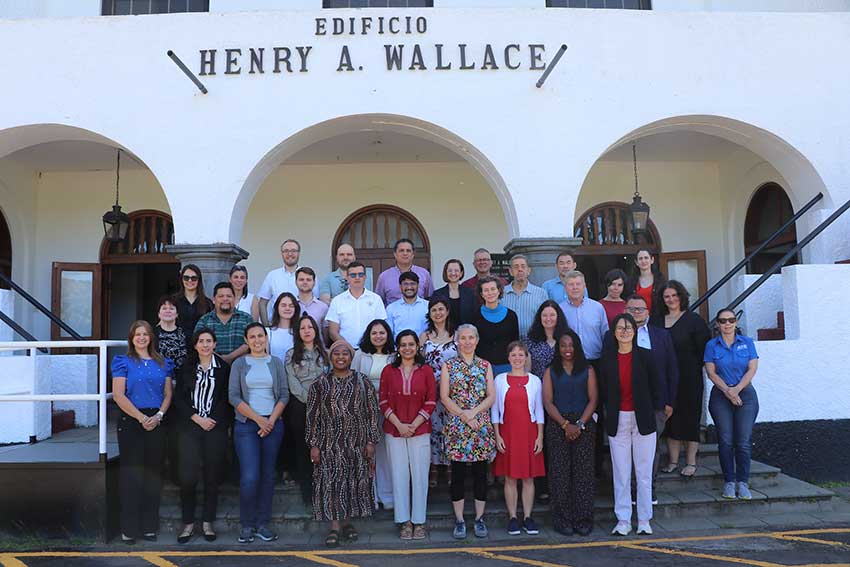
- The meeting enabled deeper discussion on the interaction between health and environmental agendas as a key element to strengthen synergies between climate change adaptation in rural territories and the management of antimicrobial resistance.
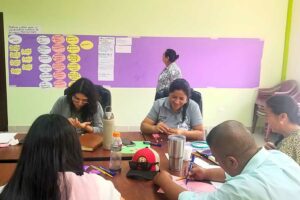
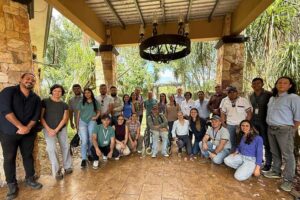
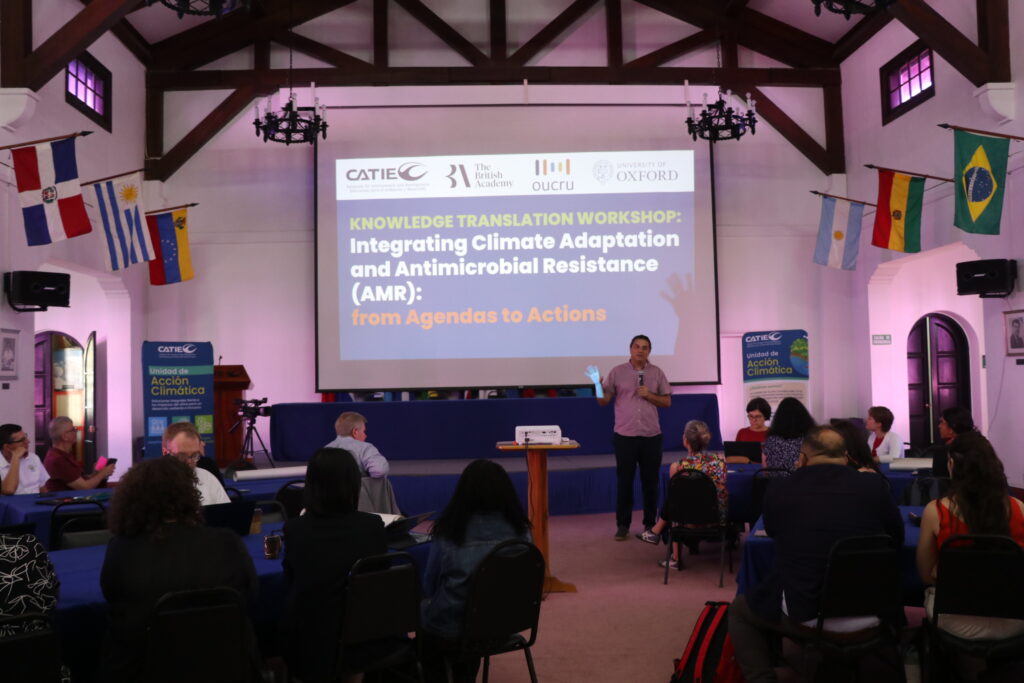
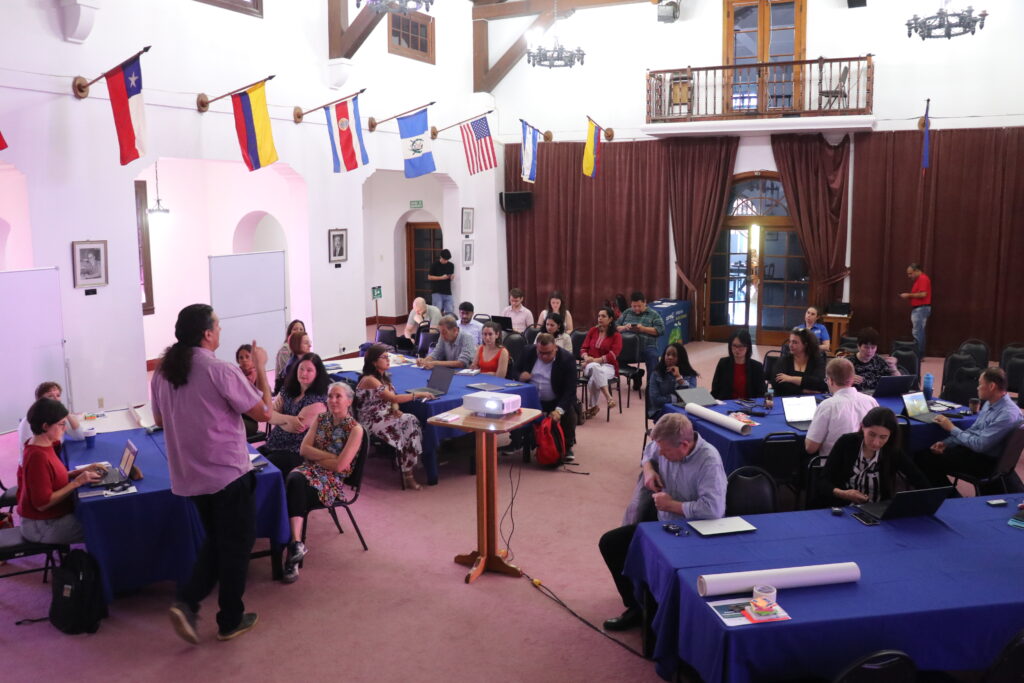
CATIE (Tropical Agricultural Research and Higher Education Center), in coordination with the University of Oxford, held the workshop “Integrating Climate Change Adaptation and Antimicrobial Resistance: From Agendas to Action” at its campus. The event served as a knowledge translation space aimed at fostering dialogue among decision-makers, academia, and practitioner teams.
The activity was carried out within the framework of the British Academy’s 2026 Global Calls program and focused on understanding how to integrate antimicrobial resistance into climate action—with an emphasis on adaptation—while considering the role of the environment and the need for intersectoral approaches for a just transition.
These dialogues are relevant because they help to understand and make visible the interaction between health and environmental agendas as an enabling component of climate change adaptation. In particular, they help identify how health-related decisions (e.g., surveillance, prevention, and antimicrobial use) and environmental decisions (e.g., water, soil, and ecosystem management) AND PRODUCTIVE SYSTEMS influence each other and can reinforce—or weaken—the resilience of rural territories to climate risks.
Analysis and implementation
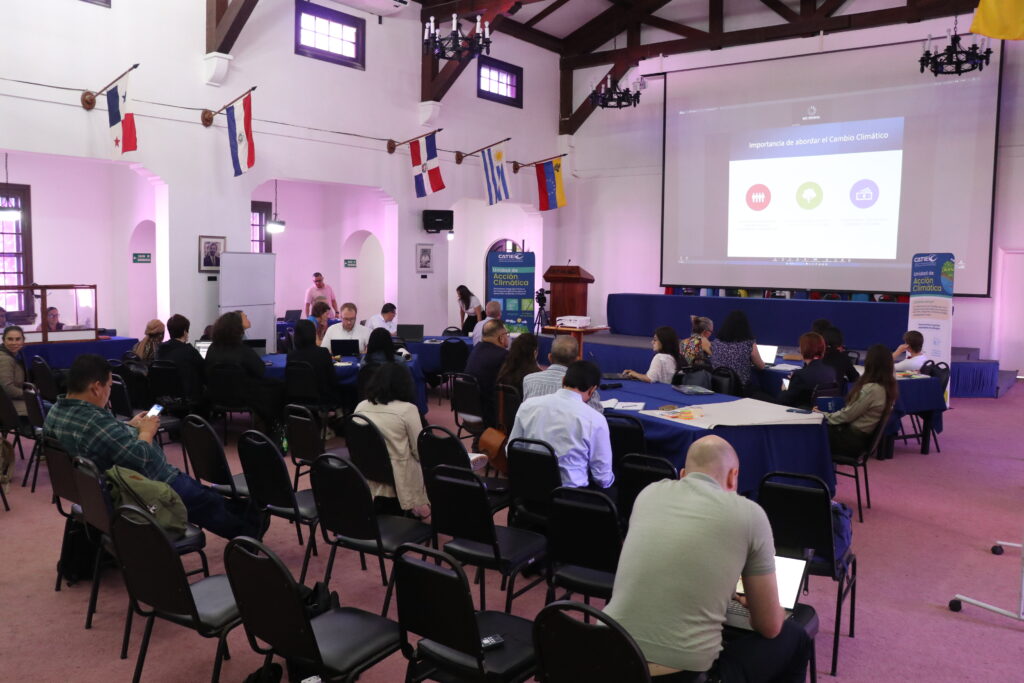
The workshop was organized around two complementary analytical moments: a first “top-down” block focused on reviewing agendas, policies, and instruments at the national and regional levels; and a second “bottom-up” block centered on the design and implementation of field-based responses. The day concluded with an integration session to identify pathways connecting both levels and facilitating the incorporation of synergies among adaptation, antimicrobial resistance, and the environment into community and landscape-level actions.
Regional outlook
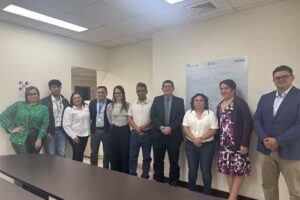
The event included the participation of representatives from key national institutions, such as …, as well as from the Inter-American Institute for Cooperation on Agriculture (IICA), a regional international organization with strong leadership in antimicrobial resistance actions in Latin America, providing a perspective on regional coordination and opportunities for collaboration.
Pablo Imbach, CATIE’s Climate Action Coordinator, highlighted the strategic relevance of the nexus between climate change adaptation and antimicrobial resistance, as well as the role of nature-based solutions as an approach that enables synergistic actions between both agendas.
For her part, Sonia Lewycka, from the University of Oxford, underscored the importance of strengthening this connection among different regions of the world to promote comprehensive approaches and shared learning that can accelerate integration within this emerging agenda.
The main lessons learned and agreements from the workshop will be systematized to guide next steps in intersectoral coordination and support the development of a public policy brief that contributes to integrated responses in rural territories.
More information:
Pablo Imbach
Climate Action Unit
CATIE
pimbach@catie.ac.cr
Written by::
Esteban Rodríguez Zamora
Communicator
Information Technology and Communication
CATIE
esteban.rodriguez@catie.ac.cr