Women transforming territories: CATIE’s contribution to female leadership
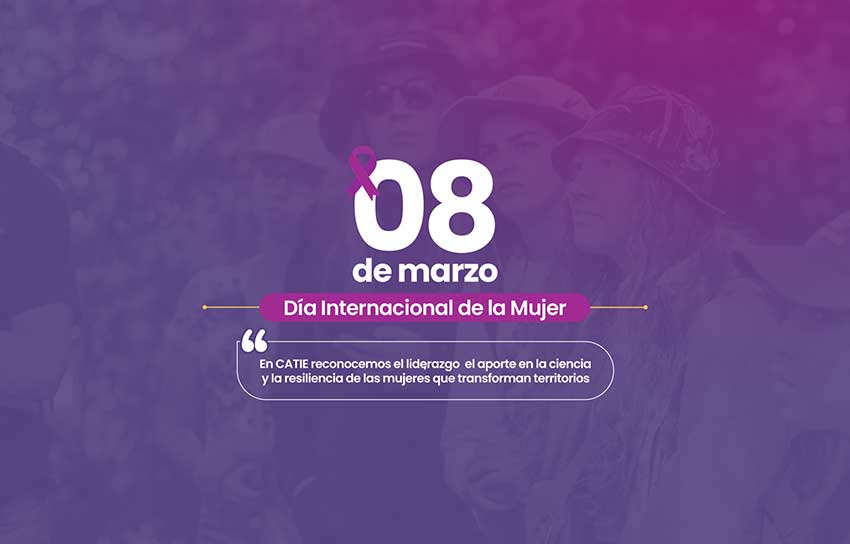
- On the occasion of International Women’s Day, CATIE highlights the contribution of women in research, academic training, and community engagement across Latin America and the Caribbean.
In commemoration of International Women’s Day, CATIE (Tropical Agricultural Research and Higher Education Center) highlights the role women play in scientific research, postgraduate education, institutional management, and field-based work that drives solutions for sustainable development in the region.
Women have strengthened their presence within the institution and in areas historically dominated by men. As of January 2026, CATIE records 131 women among a total of 374 staff members. Of these, 100 work at the headquarters and 31 in offices across different countries, while 12 hold leadership positions, reflecting progress in participation and institutional decision-making.
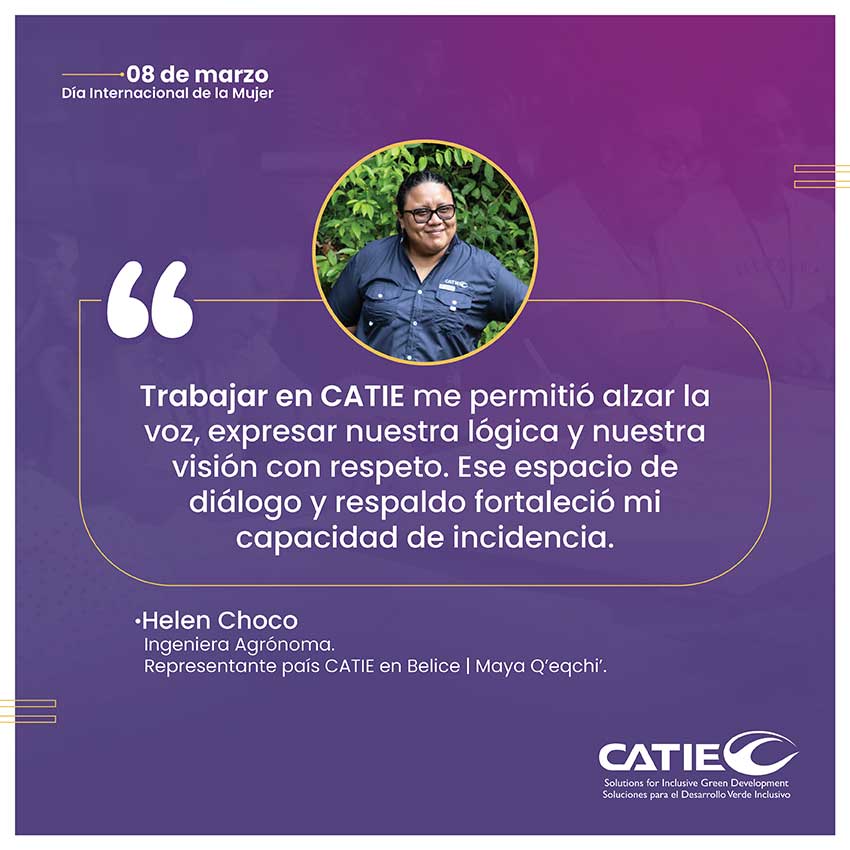
Beyond the figures, female leadership is also built through professional experiences. Helen Choco, CATIE’s Country Representative in Belize and a graduate of the CATIE Graduate School, notes that cultural challenges in the exercise of female leadership still persist.
“The most invisible challenge is being a young woman leader and fighting for my vision and my opinion in a culture where men have always gone first,” she states.
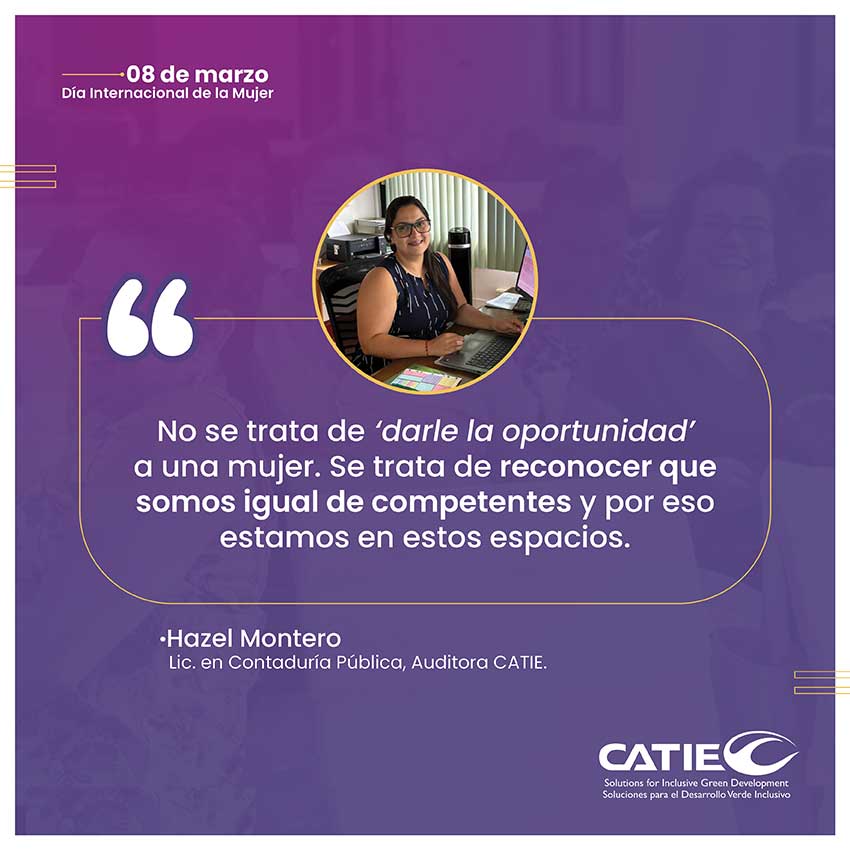
This experience is complemented by the identification of conditions that still limit equal opportunities within organizations. Hazel Montero, CATIE’s auditor, emphasizes the burden of caregiving responsibilities and biases toward women’s authority in roles related to institutional oversight and improvement: “I have to fulfill my work schedule, be a mother, and meet my household responsibilities, and many people do not see that. Another point is that in these types of positions one is often minimized for being a woman.”
Despite this, academic training has been key in promoting women’s leadership in the agro-environmental sector. Through its Graduate School, CATIE has trained professionals who now hold strategic roles in public institutions, regional organizations, and development agencies.
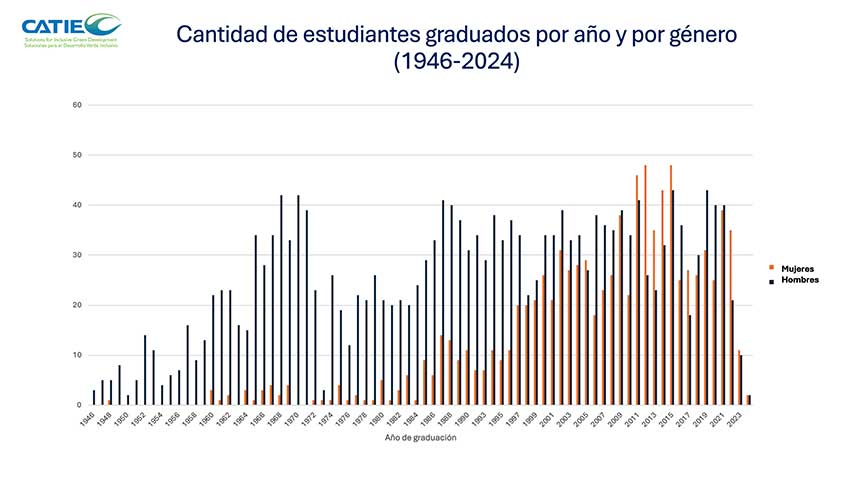
Between 1946 and 2025, 928 women from 30 countries graduated from CATIE, representing 31.2% of the historical total of graduates. However, over the past 15 years, female participation has increased significantly, in some cases matching or even surpassing the number of male graduates.
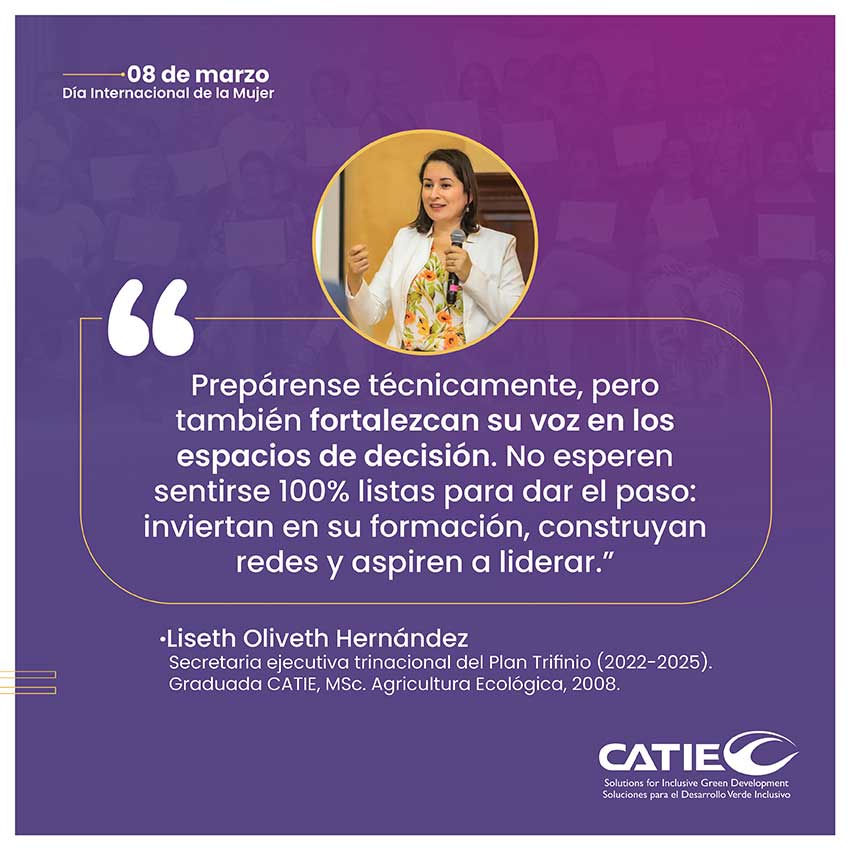
An example of this impact is Liseth Oliveth Hernández, a CATIE graduate in Ecological Agriculture, who served as Trinational Executive Secretary of the Trifinio Plan (2022–2025), where she promoted regional initiatives for environmental management and territorial development.
“The transformation of agri-food systems and water management in our region will not be sustainable without female leadership at the table where decisions are made,” Hernández affirms.
CATIE’s commitment to equity is also reflected in projects that promote women’s participation in rural development processes, climate resilience, and entrepreneurship.
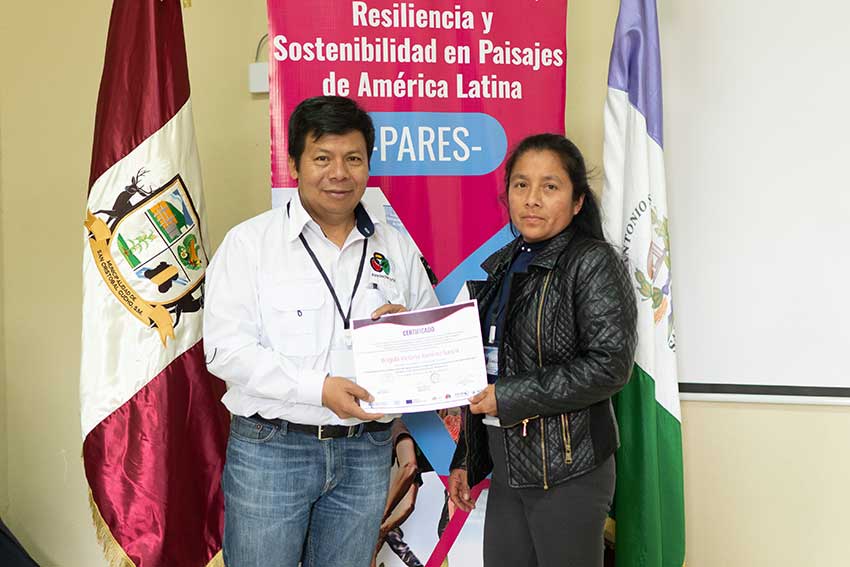
- Peace, Action, Resilience and Sustainability in the Landscapes of Latin America (PARES)
In Guatemala, the PARES Project has strengthened community water governance processes with a gender perspective in rural communities of San Marcos. Through training in Nature-based Solutions and organizational support, women have taken on leadership roles in water boards, promoting more sustainable management of the resource in the face of scarcity and climate variability. One example is Victoria Ramírez García, president of her community’s water board, who, together with other women leaders, promotes more equitable and responsible water governance, encouraging more women to participate in decision-making processes that ensure the well-being of their families and communities.
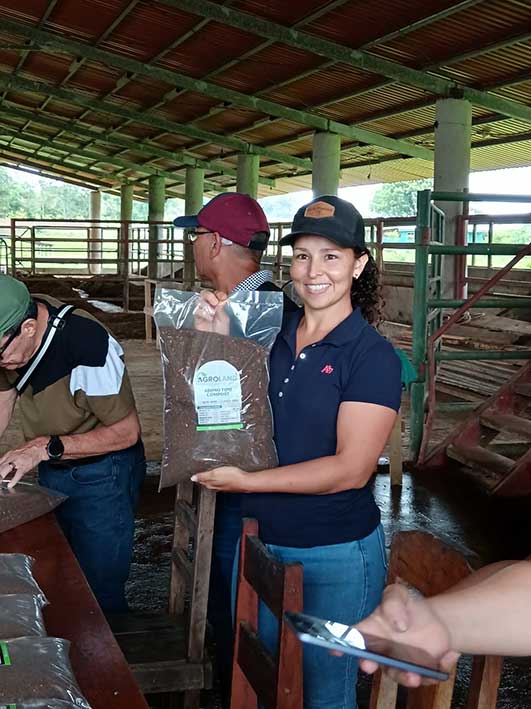
- ACTIVA-CATIE: rural entrepreneurship with an inclusion approach
ACTIVA is an incubation laboratory that supports entrepreneurship and innovation for rural development, incorporating inclusion as a core value and prioritizing access to financing opportunities for women, youth, and people from Indigenous communities. Between 2021 and December 2025, more than 320 Costa Rican ventures have been incubated: 51% are led by women with signed contracts, and the percentage exceeds 70% when also considering women co-owners. In regional business training programs, women’s participation has averaged 56% of the total participants.
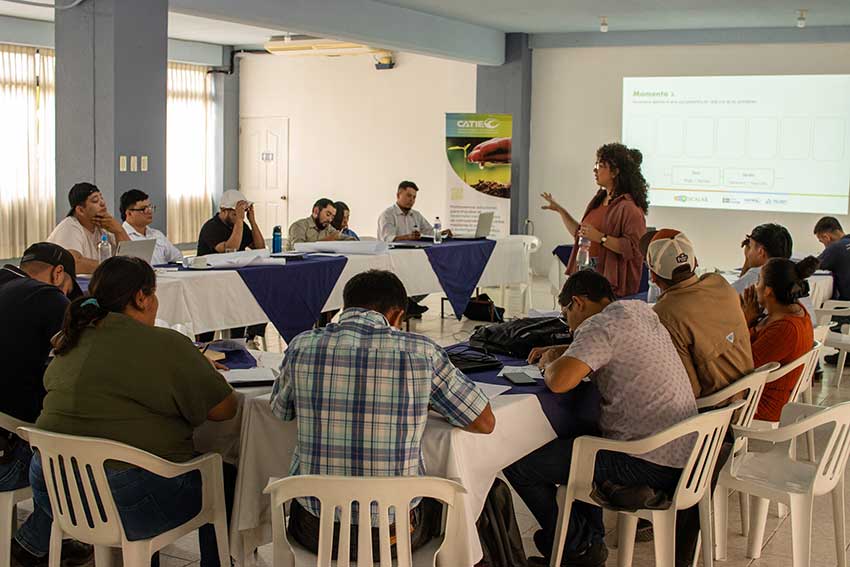
- Reducing gender gaps in the CSC through ESCALAR
The ESCALAR project integrates a gender perspective in a cross-cutting manner. These actions are reflected in its Gender Strategy launched in 2023 and implemented in the field by the Gender Focal Group, composed of key representatives from partner organizations. In 2025, a learning guide, four life stories of women leaders, and two trinational policy frameworks were published to institutionalize the allocation of resources for the integration of the gender approach, as well as other affirmative actions. As a result, 49% of the beneficiary population are women, advancing toward reducing gender gaps with lasting impact in the territory.
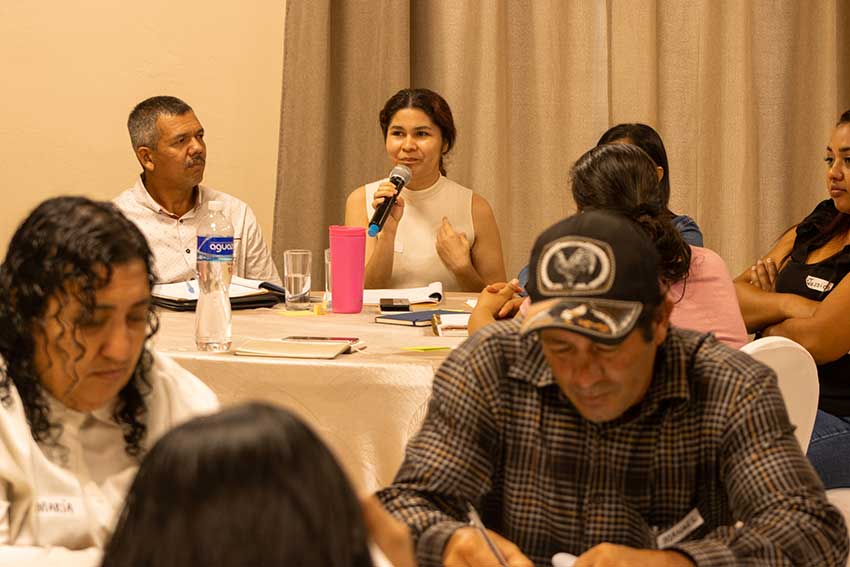
- Strengthening the capacities of women environmental defenders through Tejiendo redes
CATIE’s commitment to equity is also reflected in initiatives that strengthen women’s leadership in conservation and climate resilience. Through the project Tejiendo redes por la conservación, los derechos y la justicia en los Grandes Bosques de Mesoamérica, nearly one hundred environmental defenders were trained in 2025 in the territories of La Amistad, Indio Maíz–Tortuguero, and the Trifinio region, where 55% of those who completed the training were Indigenous and community women leaders.
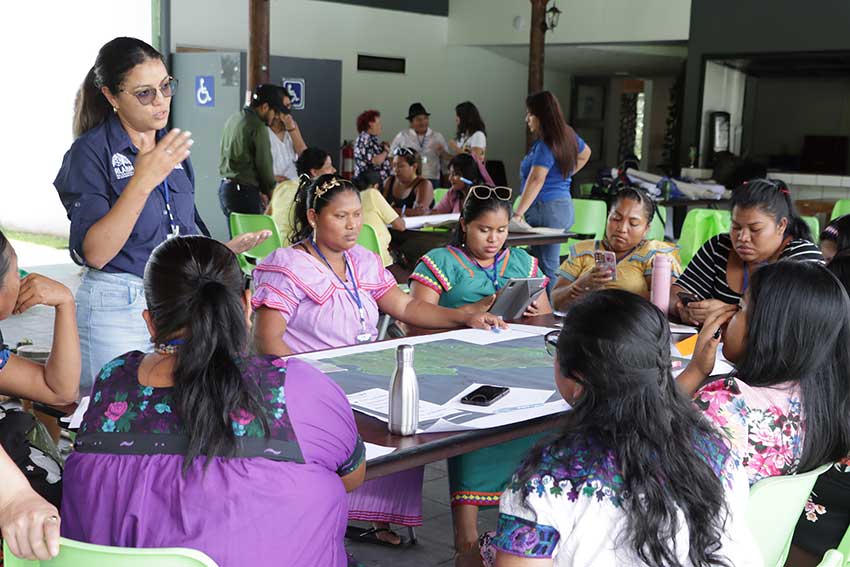
- The National Union of Indigenous Women Ditsa+8: Indigenous women guiding development processes
In Costa Rica, CATIE also works alongside the National Union of Indigenous Women Ditsa+8, strengthening an agenda led by women who promote change from their territories. Through processes of coordination and intercultural dialogue, these women leaders position themselves as key actors in decision-making.
On the occasion of International Women’s Day, CATIE reaffirms its commitment to continue promoting spaces where women can strengthen their leadership, contribute to knowledge generation, and actively participate in building more sustainable agri-food systems and territories.
More information/written by:
Karina Poveda Coto
Coordinator, Women, Rural Youth and Indigenous Communities Thematic Area
CATIE
Karina.poveda@catie.ac.cr
Fernanda Carrillo Chacón
Gender, equity and human rights specialist in rural areas
Proyecto ESCALAR-ASDI
fernanda.carrillo@catie.ac.cr
María Sol González Sañudo
Specialist in Human Rights, Environmental Rights, and Forest Equity
Sol.gonzalez@catie.ac.cr
Edición:
Karla Madrigal Pereira
Communicator
Communications and Marketing Office
CATIE
Karla.madrigal@catie.ac.cr