CATIE promotes a cultural shift in the use of fire in Latin America
- Through these training and regional coordination processes, the institution promotes recognition of the role of fire in rural territories and strengthens territorial governance for more responsible, preventive, and comprehensive management.
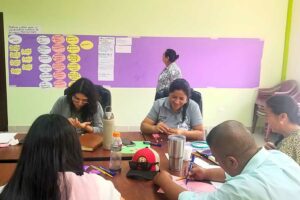
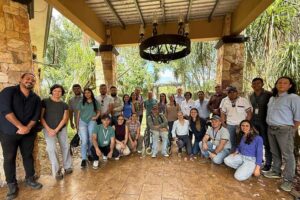
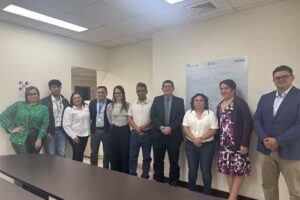
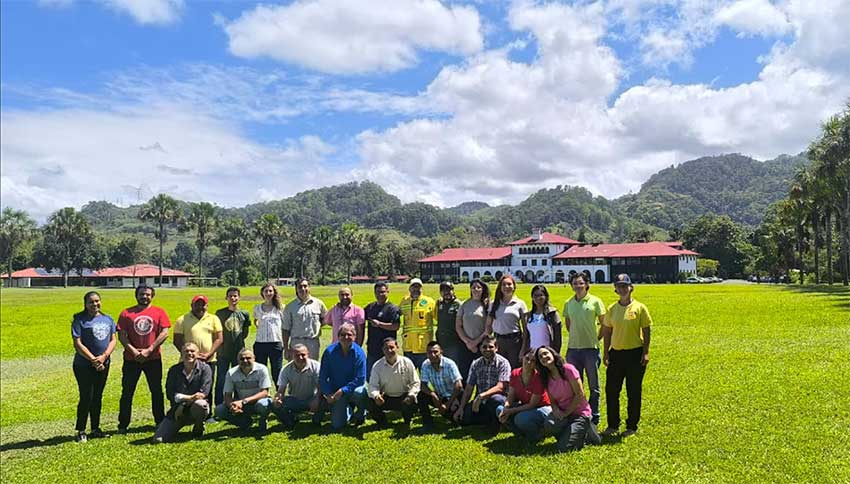
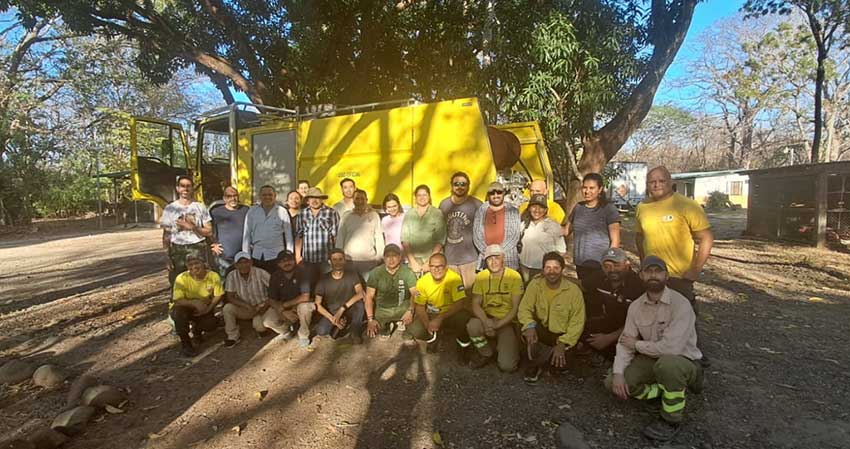
With the participation of 26 people from 12 countries, representing 16 territorial governance platforms that are part of the Latin American Model Forest Network, the first Workshop Course on Territorial Fire Governance was held at the CATIE campus in Costa Rica.
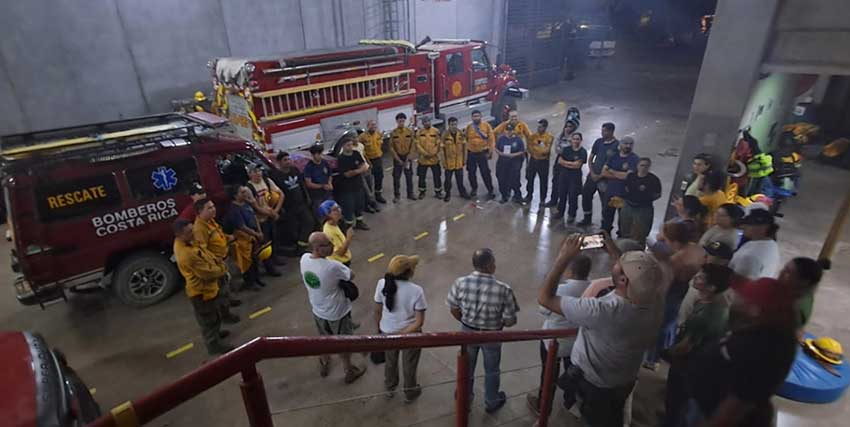
The activity brought together, in particular, organizations involved in integrated fire management, as well as in the prevention and response to forest fires, and included field visits to areas in northern Costa Rica that are highly susceptible to the impacts of fire.
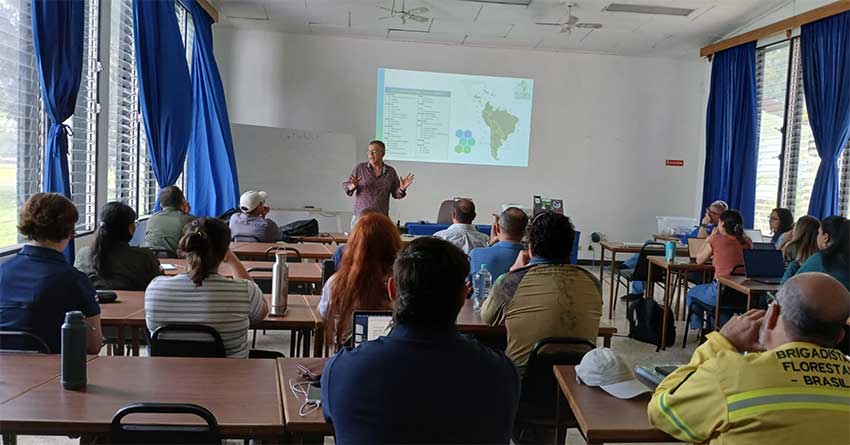
This workshop course is part of the actions of the Climate project, funded by Natural Resources Canada and implemented by CATIE’s Climate Action Unit through the Latin American Model Forest Network (RLABM). It also received support and participation from the Universidad Mayor of Chile and the FAO Office of Forest Restoration and Integrated Fire Management.
“In this activity we are building a Latin American learning community on Territorial Fire Governance, which is part of the efforts of the Latin American Model Forest Network and CATIE to promote intersectoral organizational structures and strategies aimed, beyond fire prevention, at changing our culture of fire use,” said Róger Villalobos, CATIE researcher and president of the RLABM.
From fire as a threat to fire as a tool
Although in recent years Latin America has experienced some of the largest, most intense, and most destructive fires in its history—causing enormous losses in biodiversity, productive capacity, infrastructure, and human lives—we must understand that fire is a tool with many different uses, particularly in Latin American rural landscapes. In addition, there are countless practices with varied cultural and religious meanings associated with fire, explained Cristina Vidal, coordinator of the activity.
Therefore, we cannot speak of suppressing the use of fire, but rather of processes aimed at changing cultural approaches through the education of society as a whole, particularly of certain groups for whom fire is an indispensable tool. This requires the organization of governance structures in all territories that, due to their recent history and the evolution of climate change, are highly susceptible to landscape fires. These structures will facilitate understanding of activities that require fire, the risks associated with its improper use, information management, and the education needed to improve fire management, fire prevention and response, and decision-making after such events, stated Dr. Vidal.
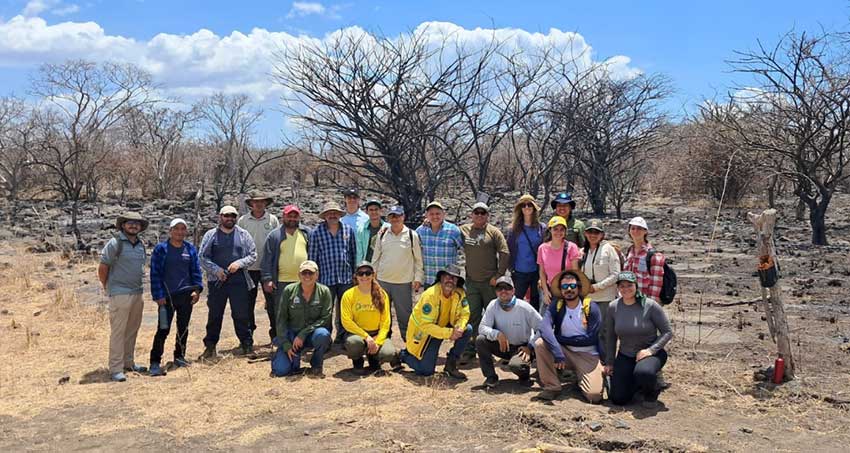
Andrea Cuellar, representative of the Forest Management Model Forest in the Maya Biosphere Reserve, commented that the group of participants in the activity was very well integrated and diverse, and that for her it was very valuable to learn about experiences from different countries and territories adapted to the particularities of their ecosystems, local social dynamics, and the legal and financial resources available regarding forest fires.
For Carolina Gallo Granizo, a participant from FAO/UNEP, the workshop was very enriching, strengthening our collective understanding and capacities to face the challenges of fire management. She added that, in the context of the Global Fire Management Hub (FAO/UNEP), whose objective is to support the implementation of integrated fire management, facilitate knowledge exchange, and promote cooperation, this meeting and the collaboration within the Latin American Model Forest Network are fundamental to advancing toward sustainable and regionally appropriate solutions.
More information:
Róger Villalobos
Chair, LAMFN Board of Directors
Researcher
Climate Action Unit
CATIE
rvillalo@catie.ac.cr
Written by::
Esteban Rodríguez Zamora
Communicator
Information Technology and Communication
CATIE
esteban.rodriguez@catie.ac.cr