CATIE receives DAAD delegation and strengthens cooperation for talent development in Latin America
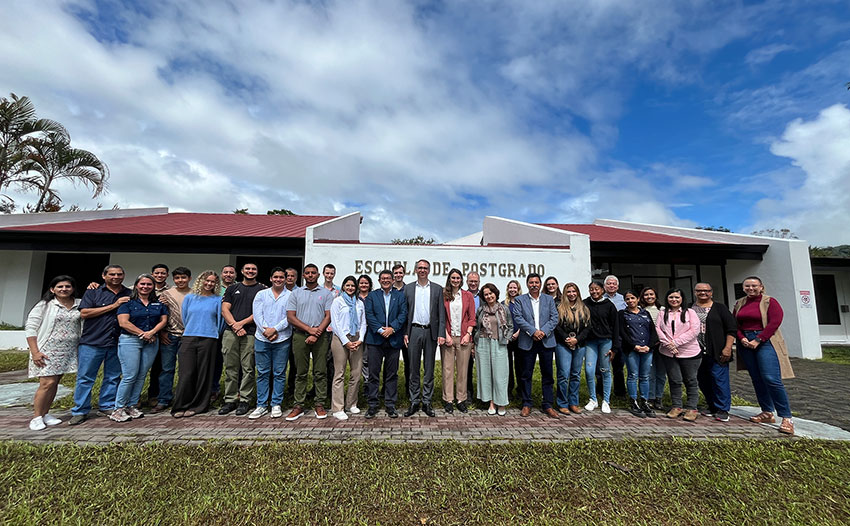
- The Secretary General of DAAD and regional representatives recognized CATIE’s impact on education, research, and sustainable development during their visit to the campus.
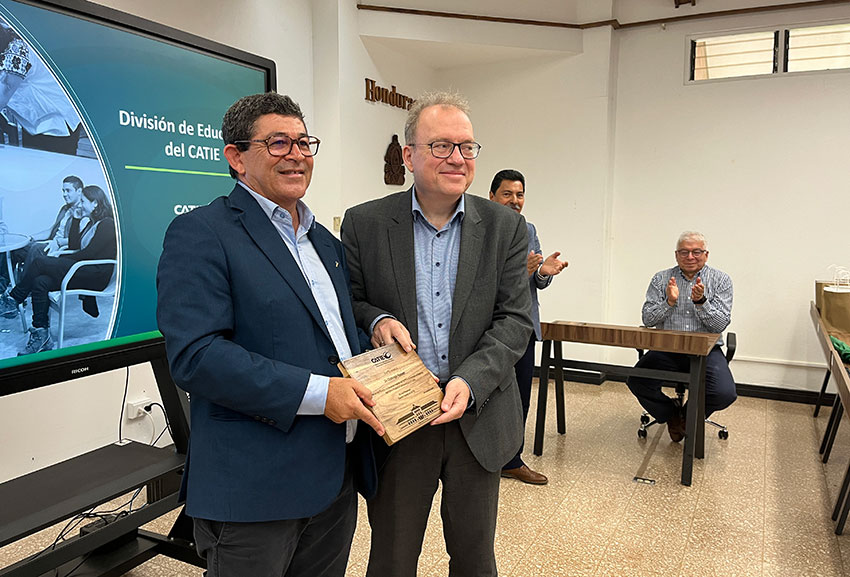
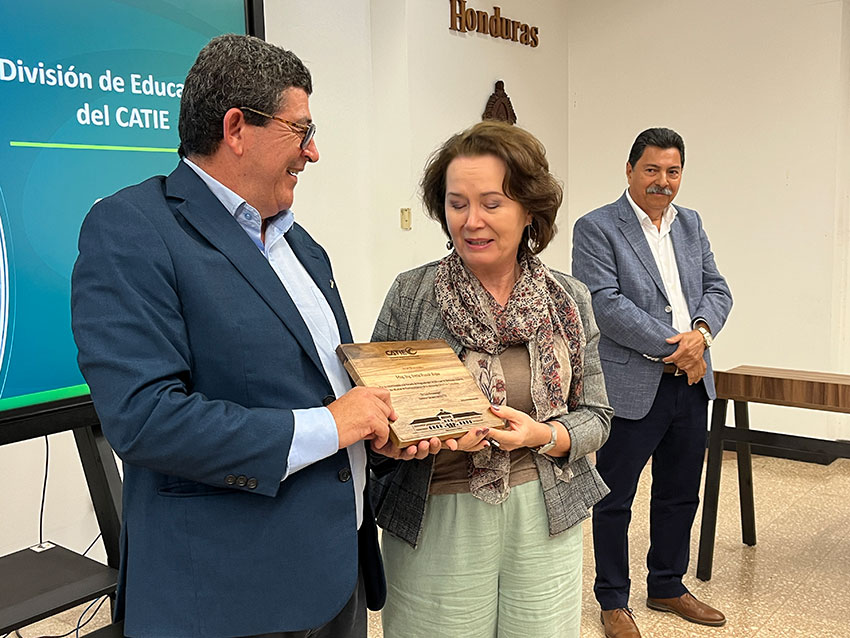
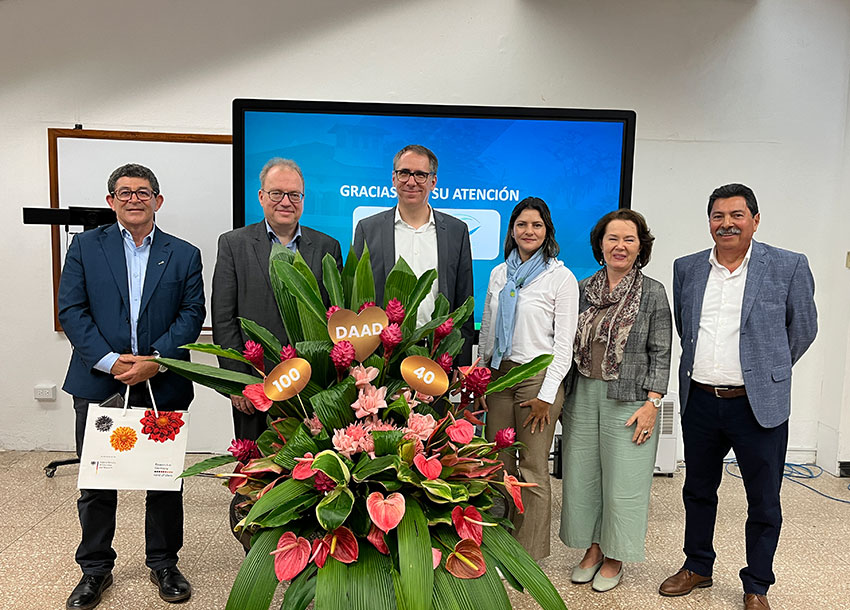
CATIE (Tropical Agricultural Research and Higher Education Center) received on November 28 the official visit of a delegation from the German Academic Exchange Service (DAAD), headed by Kai Sicks, Secretary General of the organization, along with Samira Herb-Cless, Senior Advisor; Christoph Hansert, Director of the DAAD Regional Office in Mexico; Grettel González, Coordinator of the DAAD Regional Program for Central America; and Irena Rusak-Rojas, Coordinator of Bilateral Programs and Administration in Costa Rica.
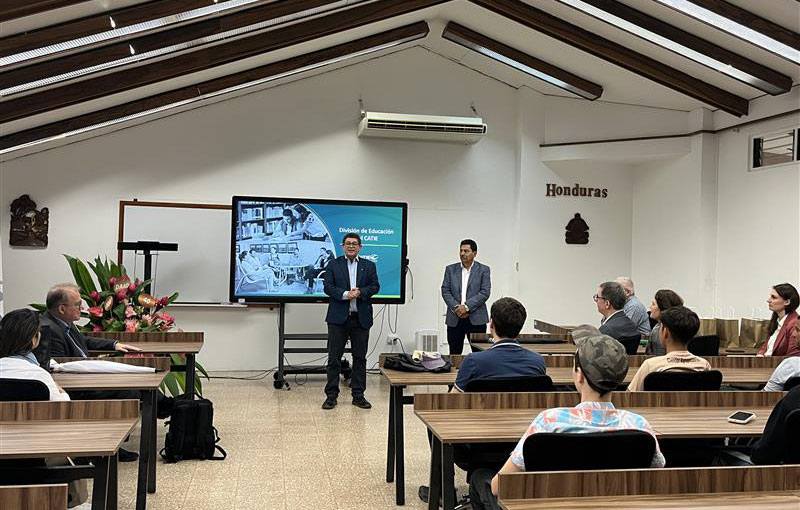
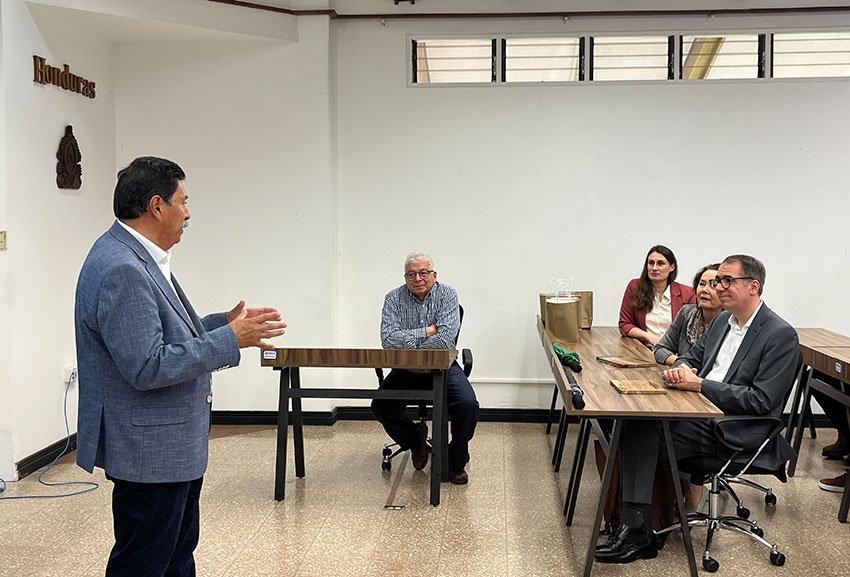
The delegation was welcomed by Dr. Luis Pocasangre, Director General of CATIE, who highlighted the importance of this meeting to strengthen ties between both institutions. During the welcome, Pocasangre acknowledged the historical commitment of DAAD to the training of professionals in tropical agriculture and sustainable development in Latin America.
“It is an honor to welcome Dr. Sicks to CATIE’s Graduate School. The DAAD has funded more than 140 master’s students over more than 35 years of cooperation. We are deeply grateful to DAAD and the German government for their continuous support of higher education in the region,” stated Pocasangre during the meeting with international students and interns.
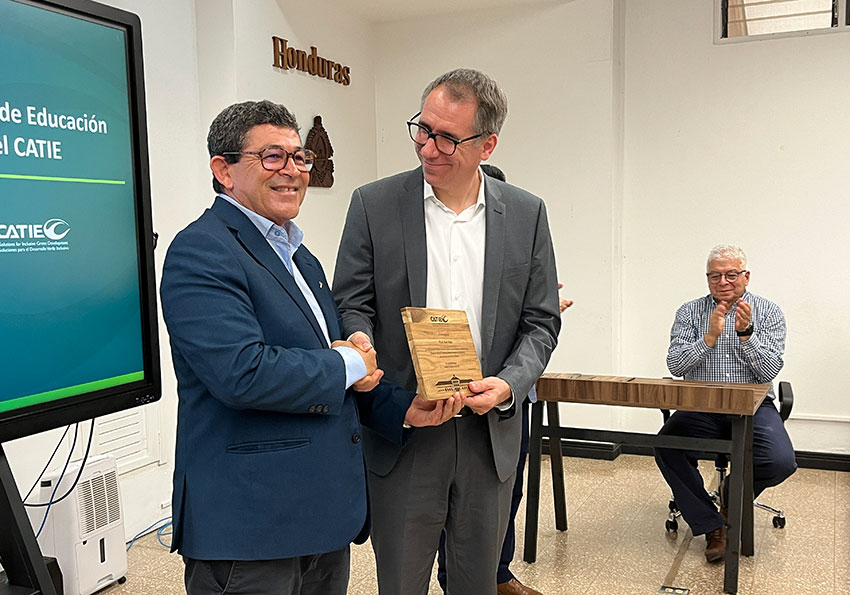
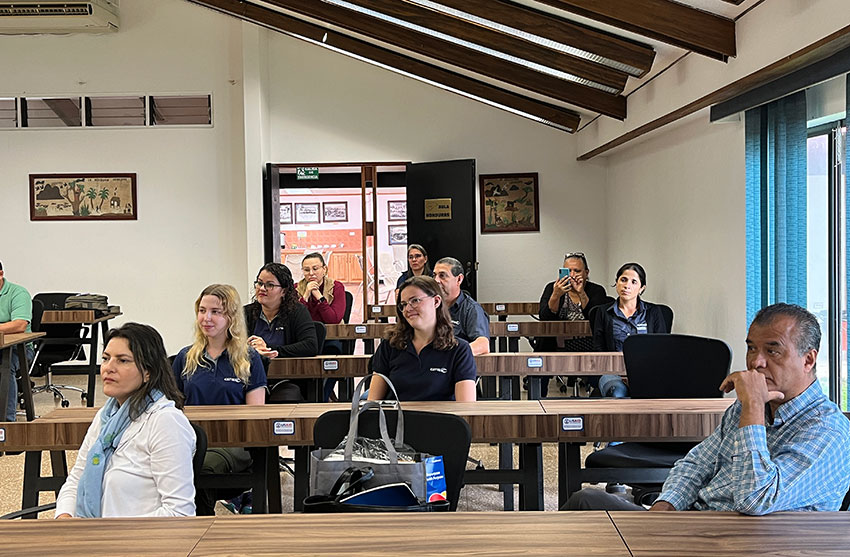
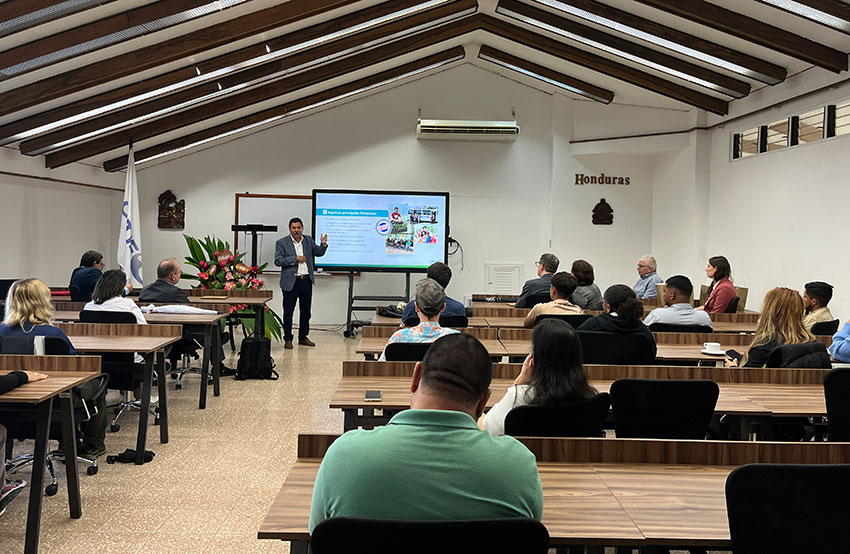
During the visit, the delegation was also received by Dr. Alfredo Zamarripa, Dean of CATIE’s Graduate School, along with his team. The Dean presented the current work of the school, its academic programs, strategic research areas, and its plans for strengthening and expansion in the coming years. This space allowed for highlighting the central role of the Graduate School in training professionals for Latin America and showcasing future opportunities for academic cooperation with DAAD.
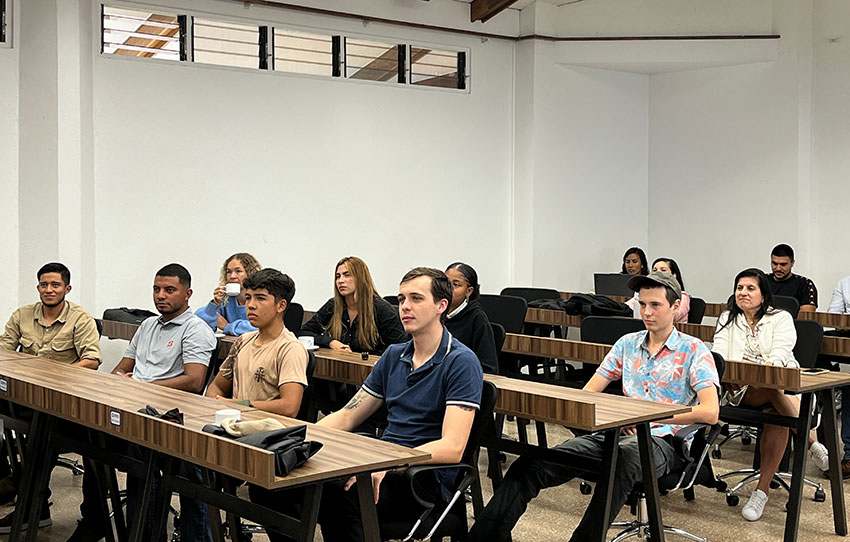
In addition, the DAAD delegation held an open dialogue with scholarship recipients and interns from Germany, Norway, Bolivia, Honduras, the United States, and various Latin American countries. They later toured key scientific areas of the campus, including the International Cacao Collection, the International Coffee Collection, the Sustainable Academic Farm, and CATIE’s Botanical Garden.
These visits made it possible to observe firsthand the scientific and academic work that CATIE carries out in agroforestry, genetic conservation, sustainable production, and environmental management.
A strategic cooperation that enhances regional training
In his remarks, Mr. Hansert highlighted CATIE’s trajectory and its contribution to developing professionals who drive progress in their countries.
“I have known CATIE for more than 30 years; it is a highly recognized institution in the region. We are proud to have had DAAD scholarship holders trained here who return to foster development in their countries. We are also proud to see how professors from 17 nationalities contribute to training these leaders, maintaining academic ties with Germany,” expressed Hansert.
The visit reaffirmed the existing strategic cooperation between DAAD and CATIE, as well as the importance of international cooperation to strengthen education, applied research, and sustainable development in Latin America and the Caribbean.
More information:
Office of the Director General
CATIE
dgcatie@catie.ac.cr
Dean's Office
Graduate School
CATIE
decanatura@catie.ac.cr
Written by::
Karla Salazar Leiva
Communicator
Communications and Marketing Office
CATIE
karla.salazar@catie.ac.cr