Latin America articulates integrated solutions under the One Health approach at the Wallace Conference
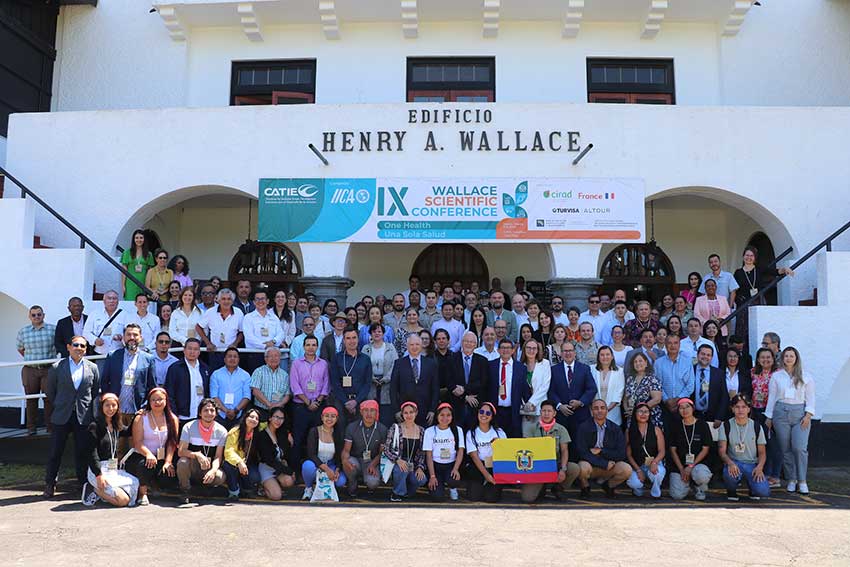
- More than 169 participants gathered at the CATIE campus to discuss how the health of soil, water, ecosystems, animals, and people is interconnected in the face of climate and health challenges.
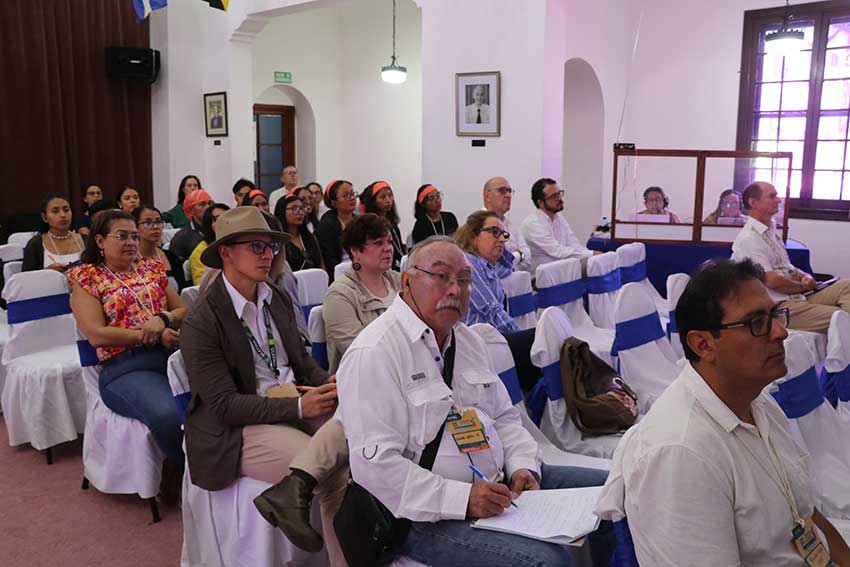
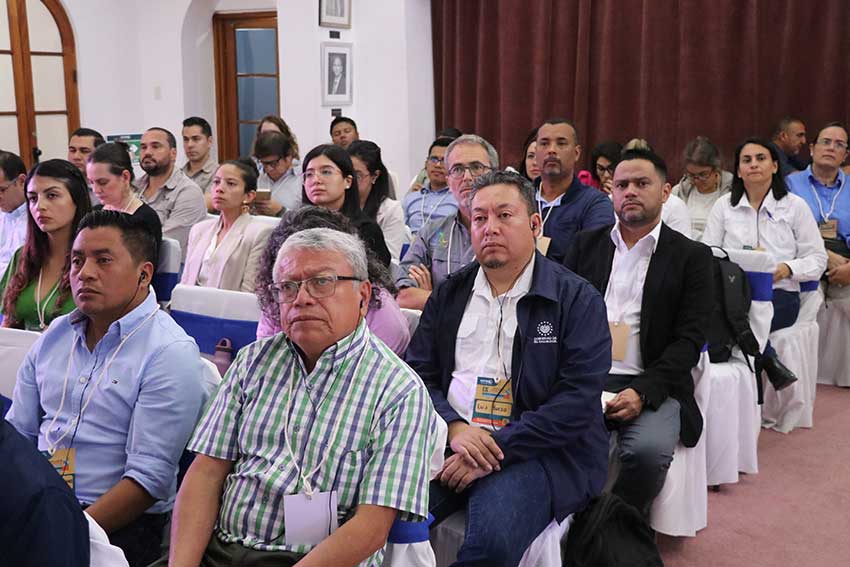
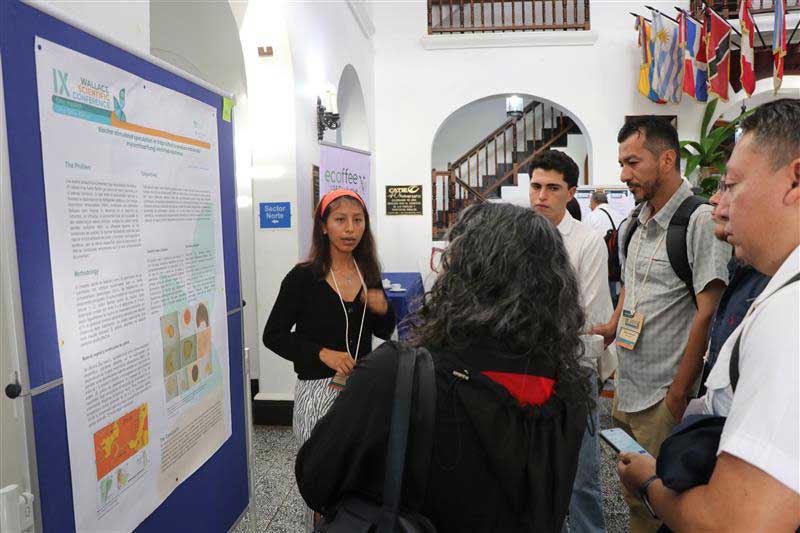
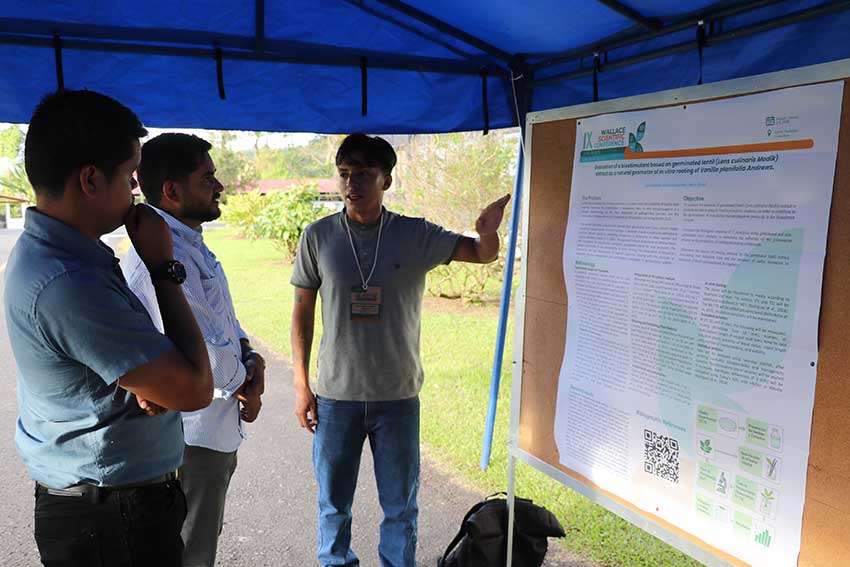
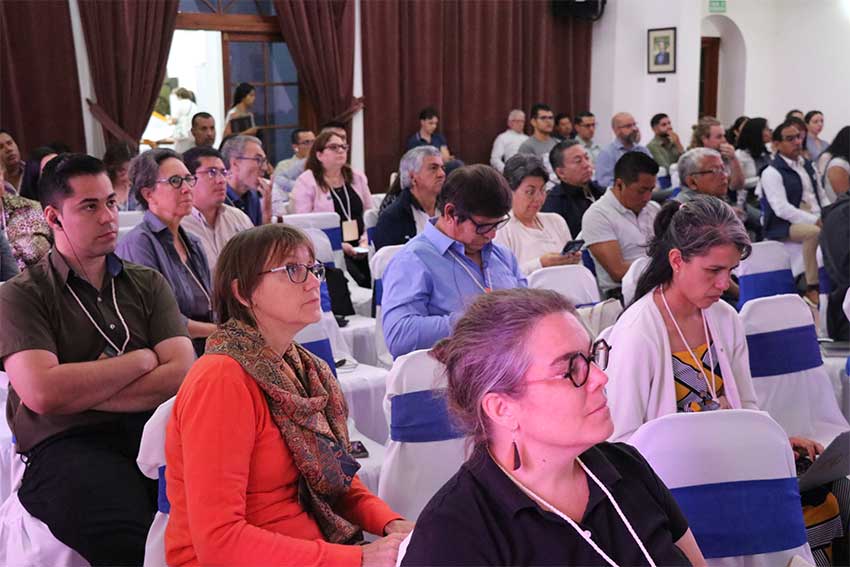
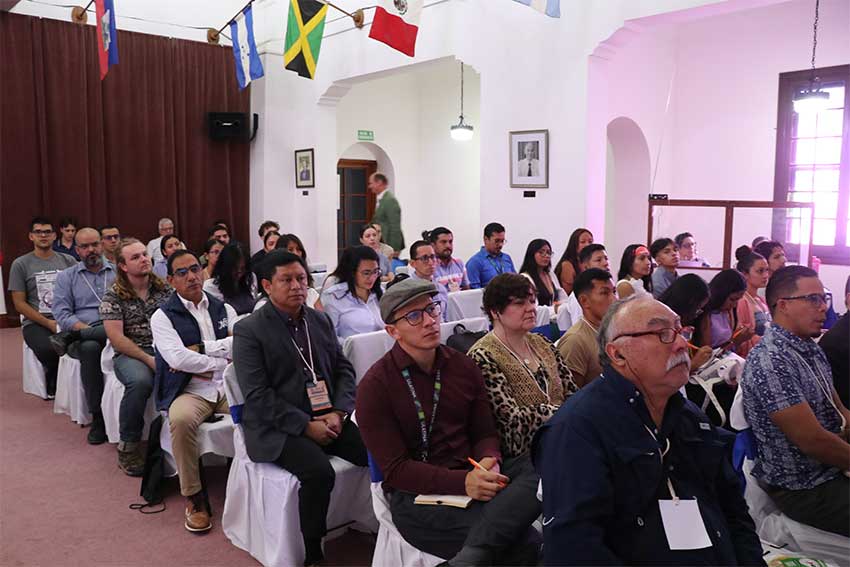
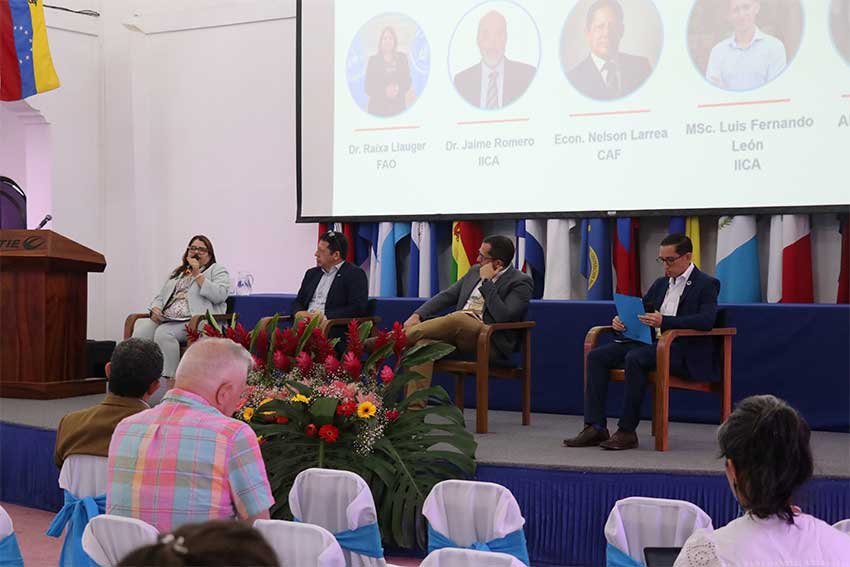
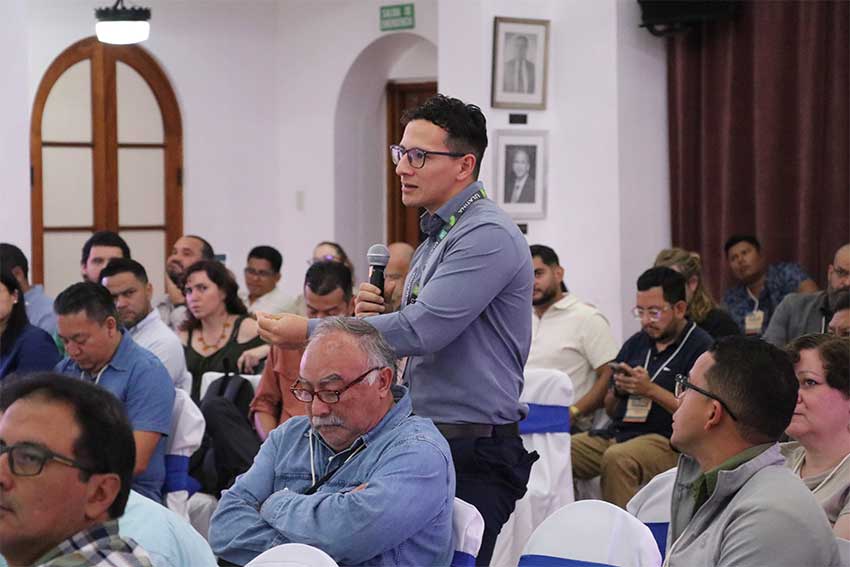
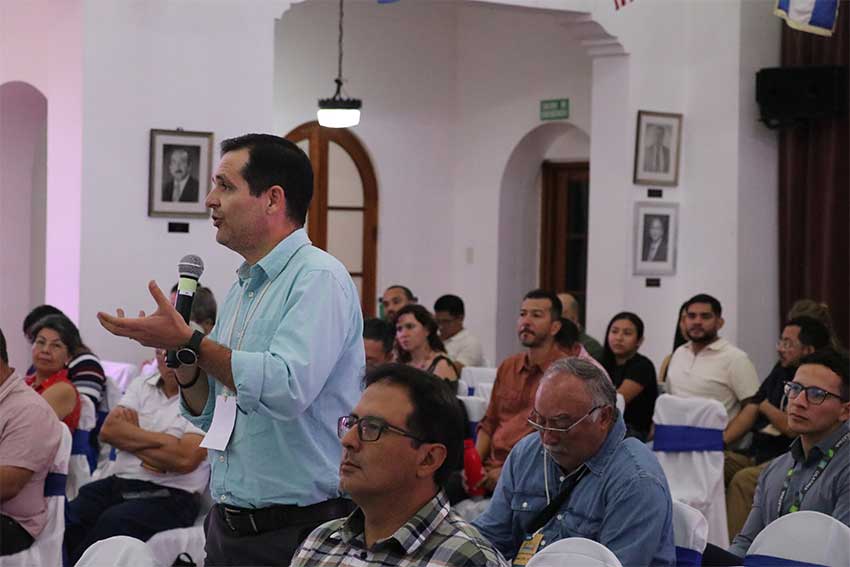
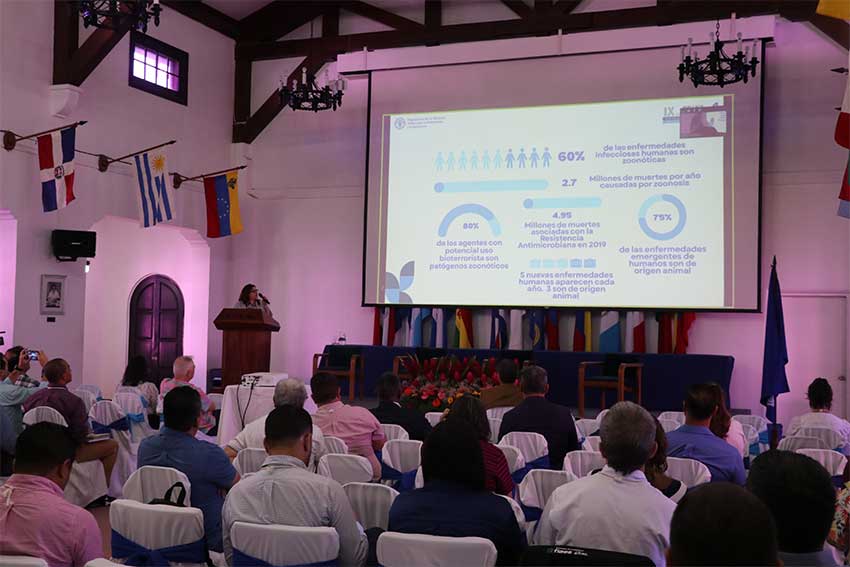
From March 3 to 5, the campus of CATIE (Tropical Agricultural Research and Higher Education Center), in Turrialba, Costa Rica, hosted the IX Wallace Scientific Conference, a space that brought together scientists, representatives of ministries, the private sector, international organizations, and research centers to analyze the challenges the region faces in relation to climate change, biodiversity loss, water security, and food security.
Under the One Health approach, the conference promoted interdisciplinary dialogue on the interdependence between human, animal, and environmental health, as well as the need to integrate these components into public policies, productive systems, and sustainable development strategies in Latin America and the Caribbean.
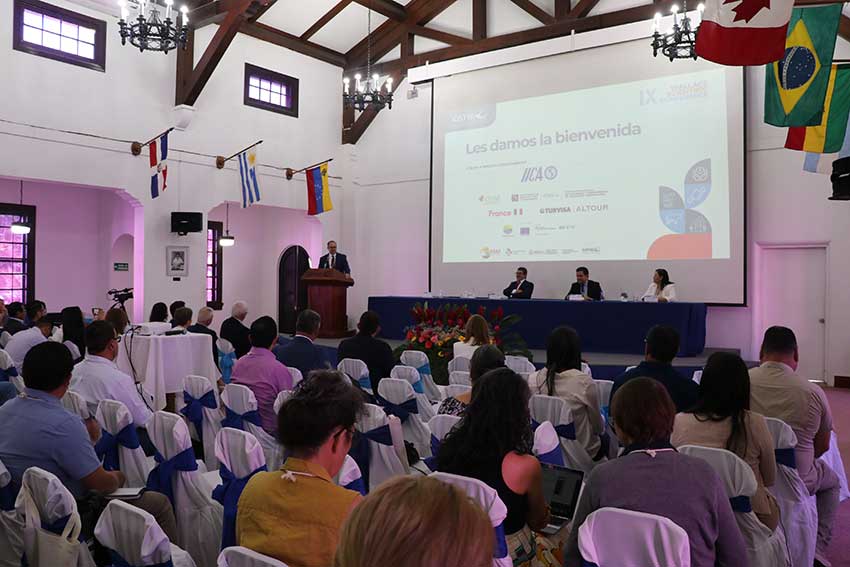
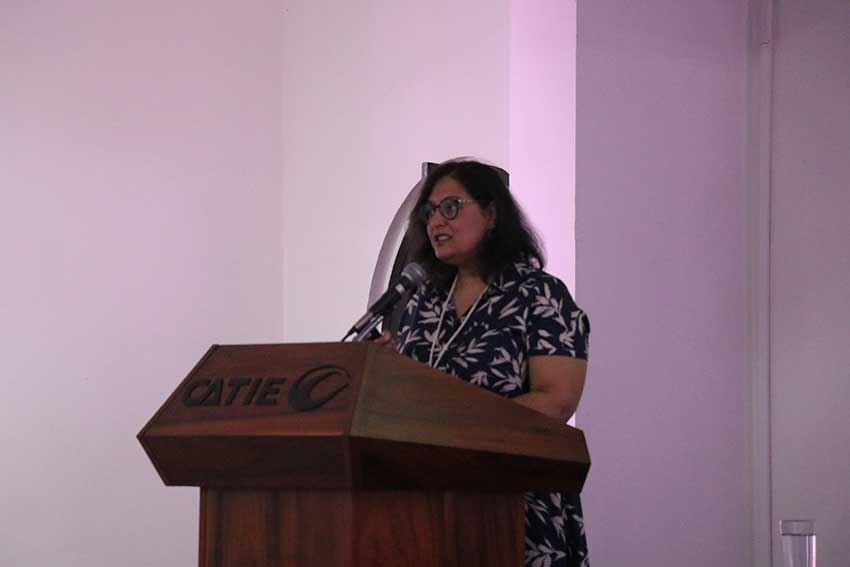
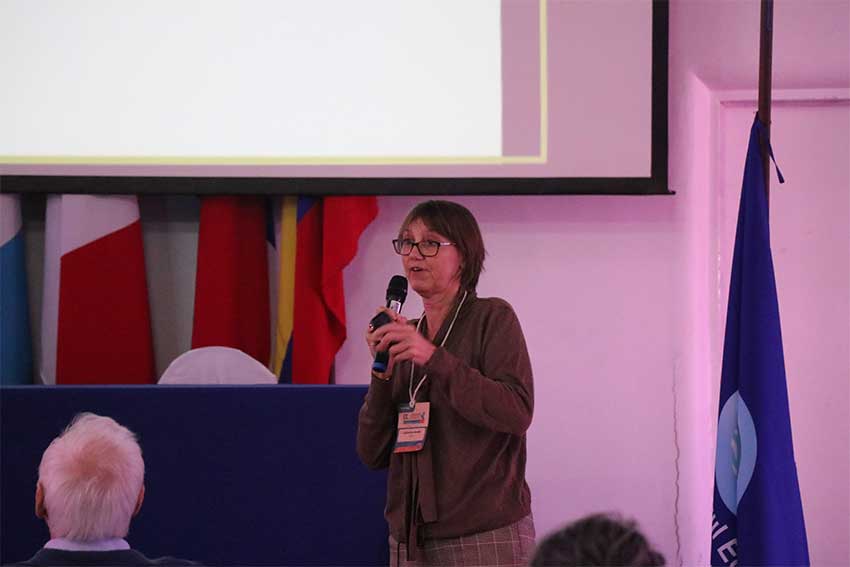
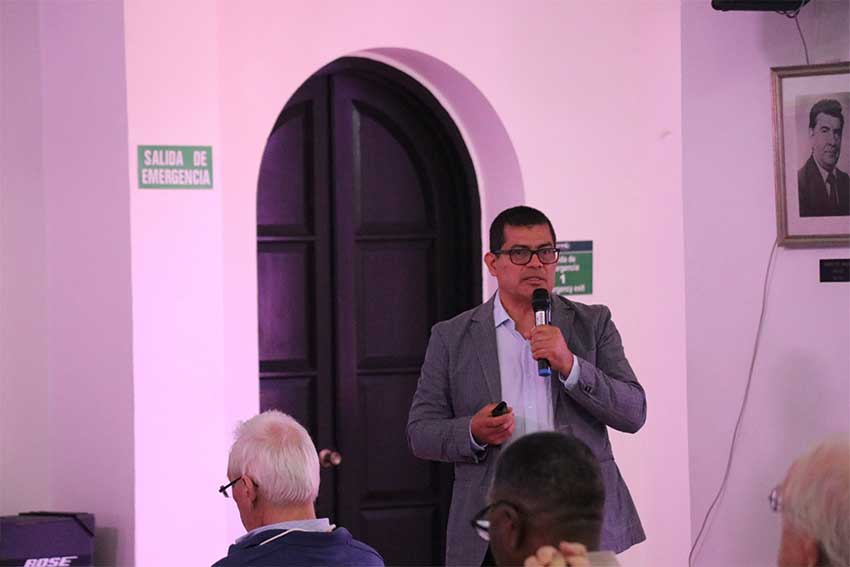
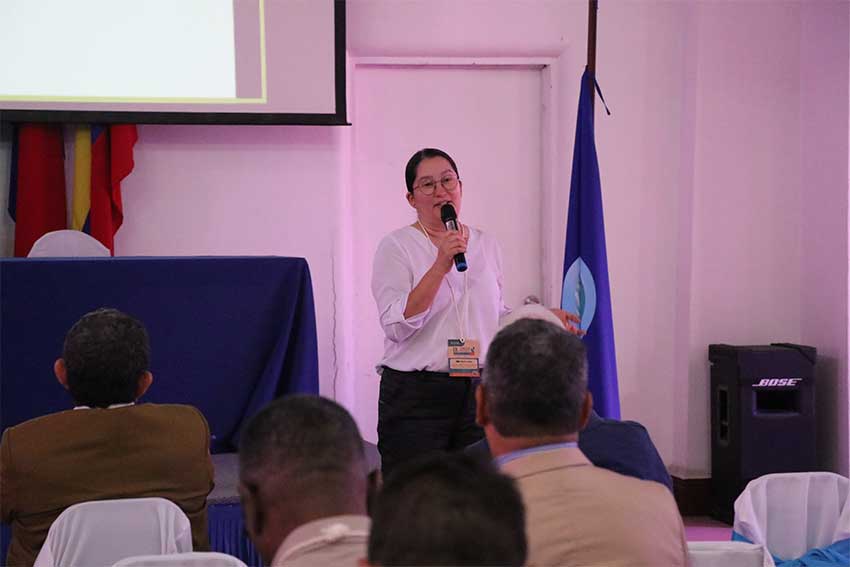
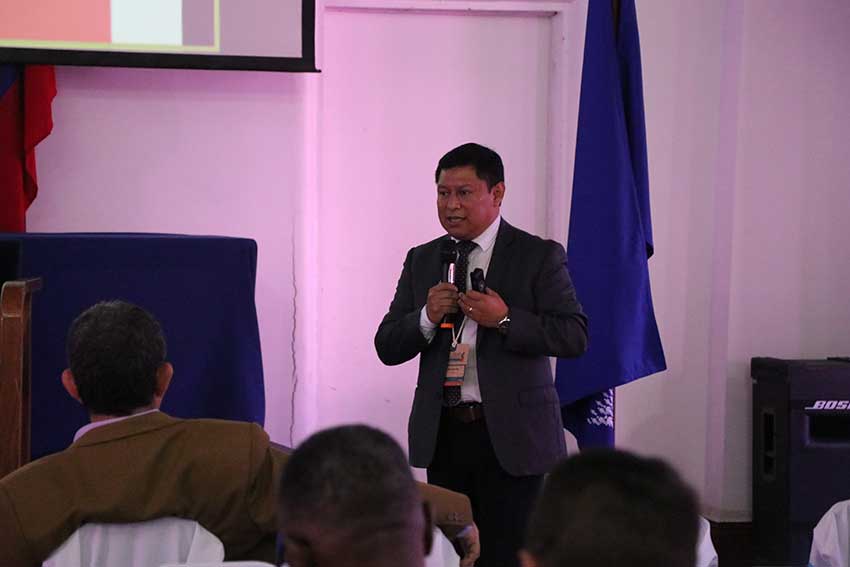
During the opening session, Laura Benegas, Director of Research for Inclusive Green Development at CATIE and general coordinator of this edition of the conference, highlighted that the One Health approach responds to a reality that is becoming increasingly evident for the region.
“Human health, animal health, and ecosystem health are inseparable. In our region—where climate variability, biodiversity loss, pollution, and food insecurity converge—the One Health approach is not a concept for the future, but a framework for the decisions we must make now,” she stated.
Benegas also emphasized that the Wallace Conference represents one of the ways in which CATIE strengthens its institutional mission of connecting science, education, and action to promote inclusive green development in Latin America and the Caribbean.
Interdisciplinary science to address global challenges
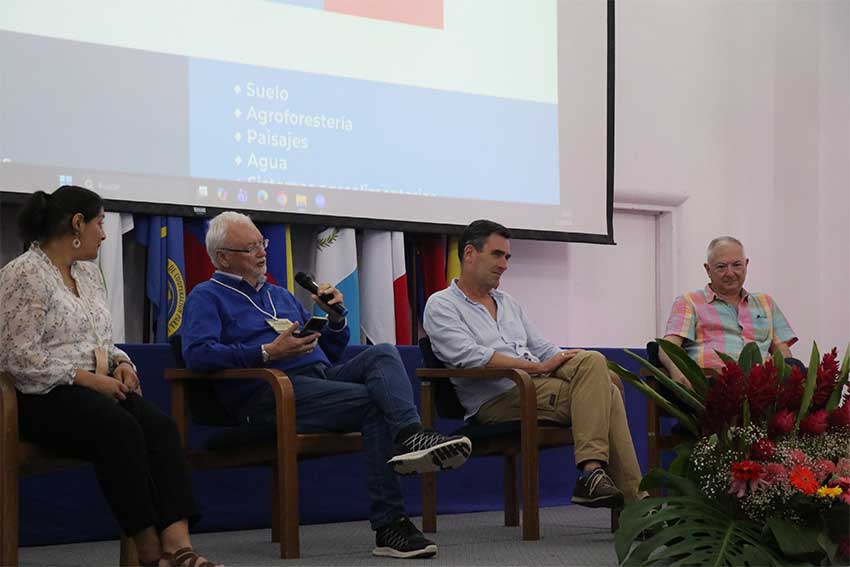
During the scientific sessions, international specialists addressed six key thematic areas that reflect the complexity of current challenges:
- Soil Health: the role of healthy soils in the resilience of agricultural systems.
- Plant Health: sustainable production, reduction of pesticide use, and agroforestry.
- Animal Health: disease prevention, animal welfare, and sustainable livestock systems.
- Ecosystem Health: biodiversity conservation and ecosystem services.
- One Water for One Health: integrated water management for the health of people, animals, and ecosystems.
- Agri-Food Systems and Human Health: sustainable nutrition, food safety, and food security.
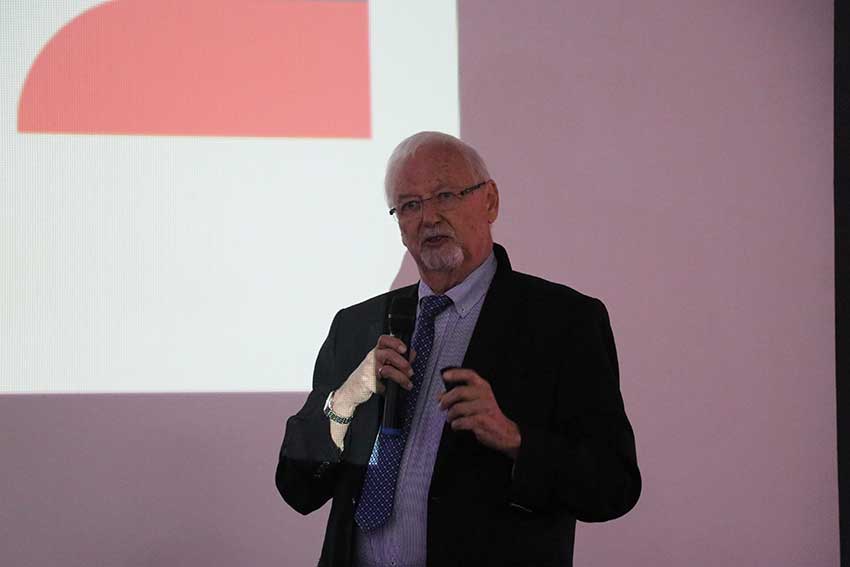
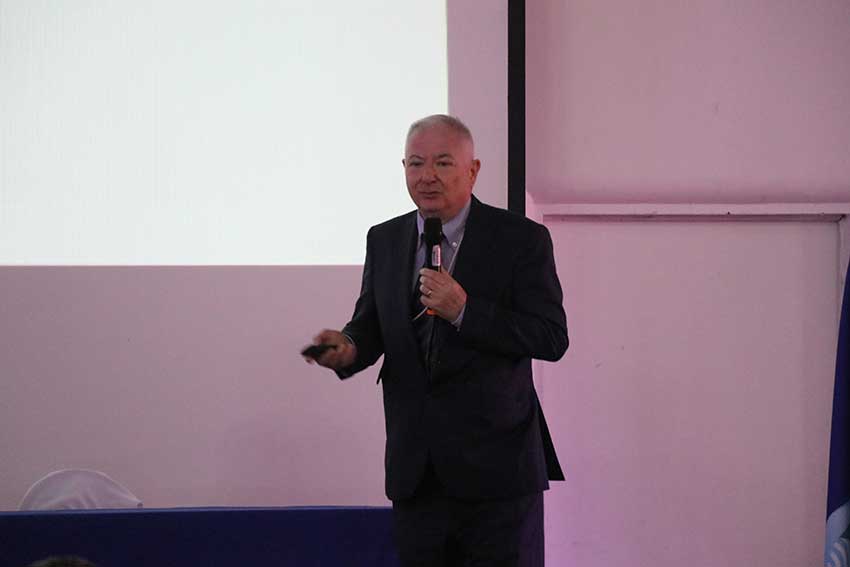
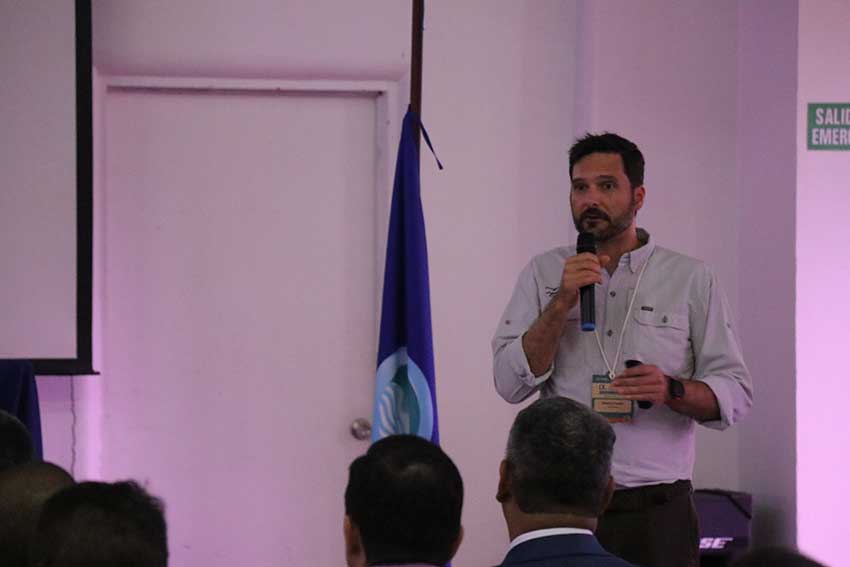
The scientific discussions highlighted the need to move toward more resilient agri-food systems, reduce the environmental impacts of agricultural production, and strengthen nature-based solutions as key tools to address the climate and health crisis.
Emerging topics were also analyzed, including antimicrobial resistance, reduction of pesticide use, water governance, bioeconomy, and the incorporation of equity, gender, and inclusion approaches into sustainable development strategies.
The conference included the participation of representatives from all continents, consolidating the Wallace Scientific Conference as an international platform for knowledge exchange, scientific cooperation, and the articulation of strategic alliances.
In total, the event brought together:
- 9 international keynote speakers
- More than 60 specialists presenting research
- More than 100 researchers involved in scientific contributions
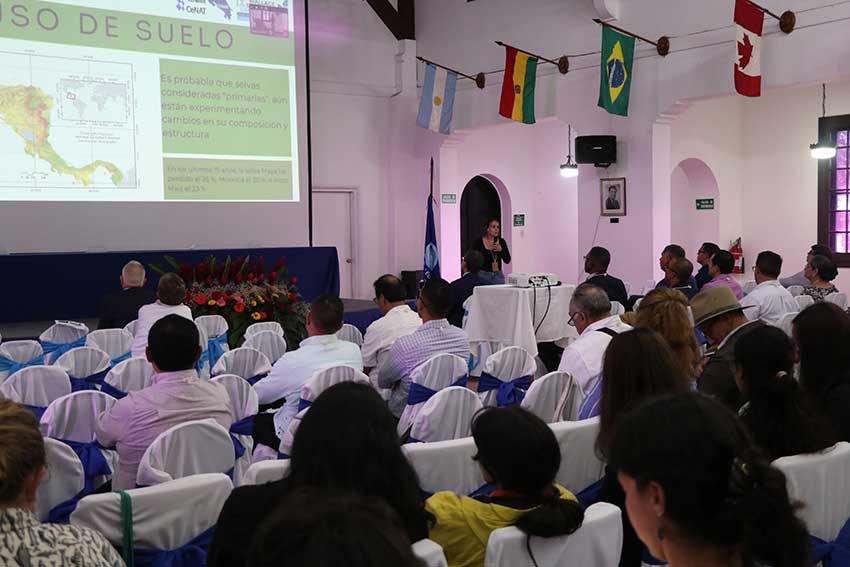
This space also facilitated dialogue among academia, the public sector, multilateral organizations, and the private sector, with the objective of transforming scientific knowledge into concrete actions for the region.
Among the main expected outcomes of the conference are the generation of public policy recommendations, the strengthening of international scientific networks, and the promotion of investments in nature-based solutions and sustainable production systems.
The event also served as a platform to promote alliances with international institutions and multilateral organizations, strengthening joint efforts to address challenges related to health, climate, and biodiversity.
A strategic platform for regional science
Since its creation in 2002, the Wallace Scientific Conference has established itself as one of the main regional platforms for dialogue among science, innovation, and public policy on issues related to sustainable agriculture, natural resource management, and biodiversity conservation.
In its ninth edition, the meeting reaffirmed that the resilience of Latin America will depend largely on its capacity to integrate environmental, animal, and human health into productive systems, public policies, and territorial development strategies.
The One Health approach, promoted by CATIE and its partners, proposes precisely this integrative vision to address the challenges of the 21st century and move toward more sustainable, healthy, and resilient agri-food systems.
More information:
Laura Benegas
Director of Research for Inclusive Green Development
CATIE
Laura.benegas@catie.ac.cr
Written by:
Karla Salazar Leiva
Communicator
Communications and Marketing Office
CATIE
salazark@catie.ac.cr