CIENPINOS Project Strengthens Capacities to Assess Natural Regeneration in Low-Intensity Livestock Systems in Cuba
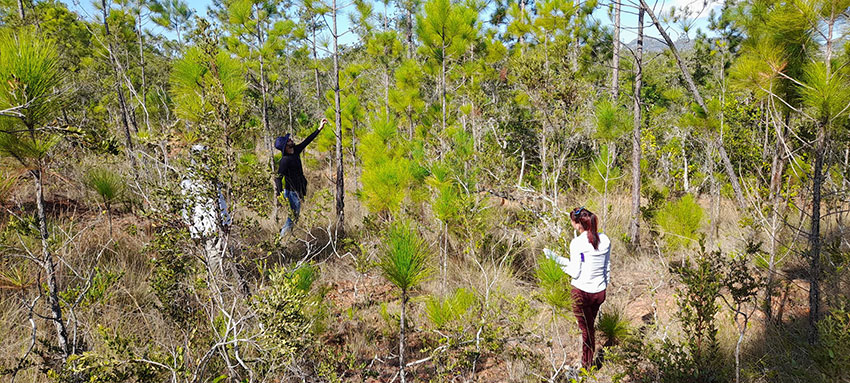
- Specialists from Cuba and Costa Rica deepened their knowledge of techniques and tools to evaluate natural regeneration in productive areas.
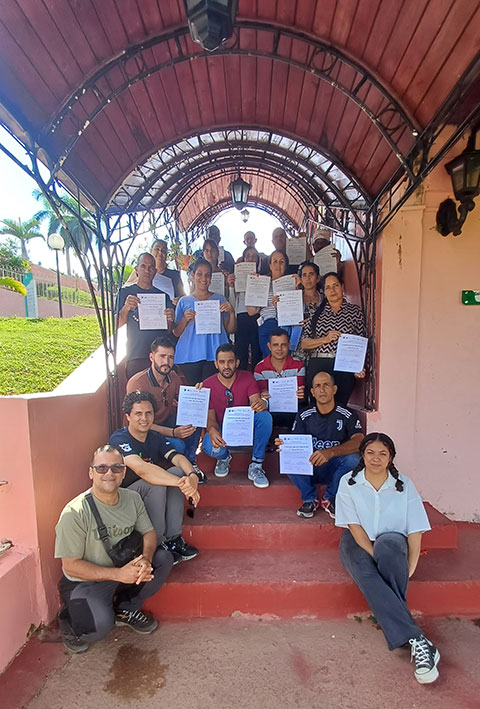
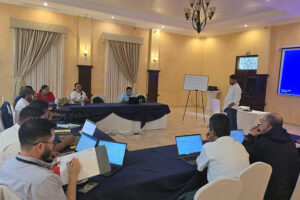
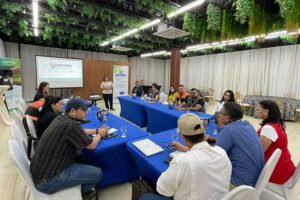
As part of the cooperation agreement between the National University of Costa Rica (UNA) and CATIE (Tropical Agricultural Research and Higher Education Center), the training workshop“Evaluation of Natural Regeneration in Areas under Low-Intensity Livestock Production”was held from November 19 to 28, 2025, in Viñales, Pinar del Río, Cuba. The objectives of this training were to provide knowledge on techniques and tools for monitoring natural regeneration in productive landscapes, as well as to practice analyzing the behavior and movement of semi-feral species in pine–oak forests.
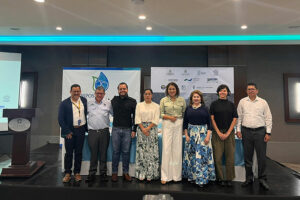
The course was delivered by Dr. Luis Diego Alfaro Alvarado and M.Sc. Marco Antonio Otárola Rojas, both professors at UNA’s School of Environmental Sciences. It featured the active participation of 25 professionals and researchers (8 women and 17 men) from 11 institutions in Cuba and Costa Rica, including centers of the Cuban Ministry of Higher Education, experimental stations, and research and development entities.
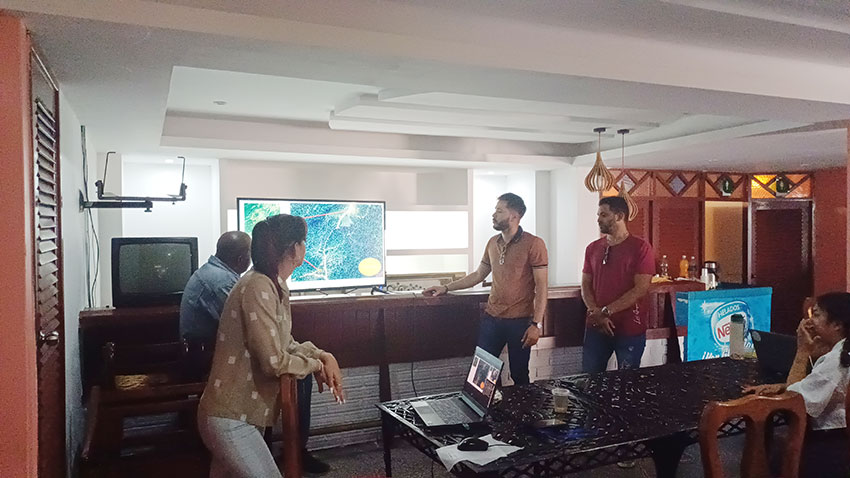
During the sessions, participants developed skills in using specialized software such as Jamovi, Past andQGIS for statistical and spatial analysis of ecological data. They also learned to operate environmental sensors such as Hobo and Kestrel—key tools for measuring climate variables such as temperature, humidity, and light in forest regeneration studies.
The practical component took place on pig-raising farms in the area—Santa Fe, Los Jazmines, and El Capón, in the municipality of Viñales. There, participants applied their knowledge in sampling design, taxonomic identification, assessment of plant diversity, and estimation of ecological indicators such as the Importance Value Index (IVI) and alpha, beta, and gamma diversity levels.
The workshop not only strengthened technical capacities but also promoted the exchange of experiences and the building of alliances for local climate action. In doing so, the CIENPINOS project reaffirms its commitment to applied science, technological innovation, and sustainable landscape management in Cuba.
More information:
Ismael Hnernández Venereo
Coodinador Internacional Proyecto CIENPINOS Cuba
ismael.hernandez@catie.ac.cr
Written by::
Nayda Armengol
Coordinator, Communications Component
Proyecto CIENPINOS Cuba