CATIE advances a global agenda on antimicrobial resistance and just transition
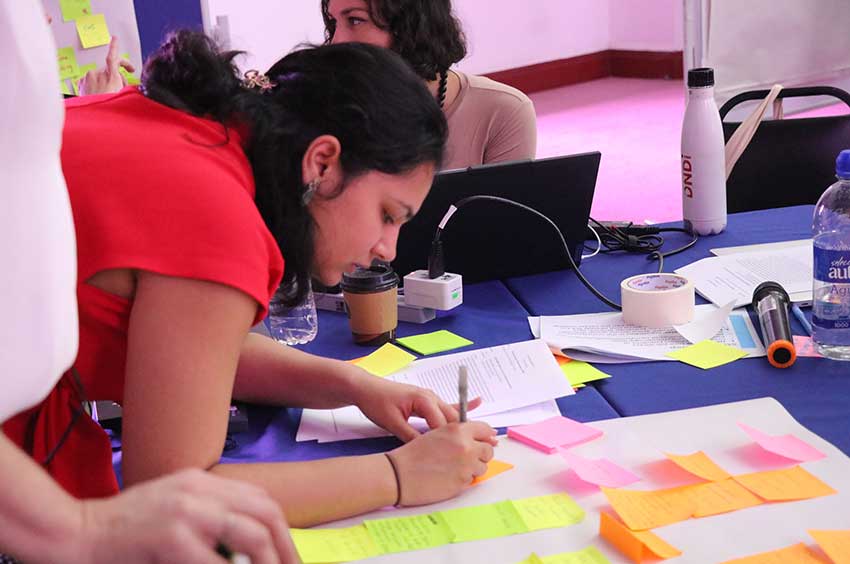
- The event brought together experts and leaders from academia, civil society, and institutions from different countries to analyze responses to antimicrobial resistance (AMR) from the perspectives of justice, the environment, and climate action.
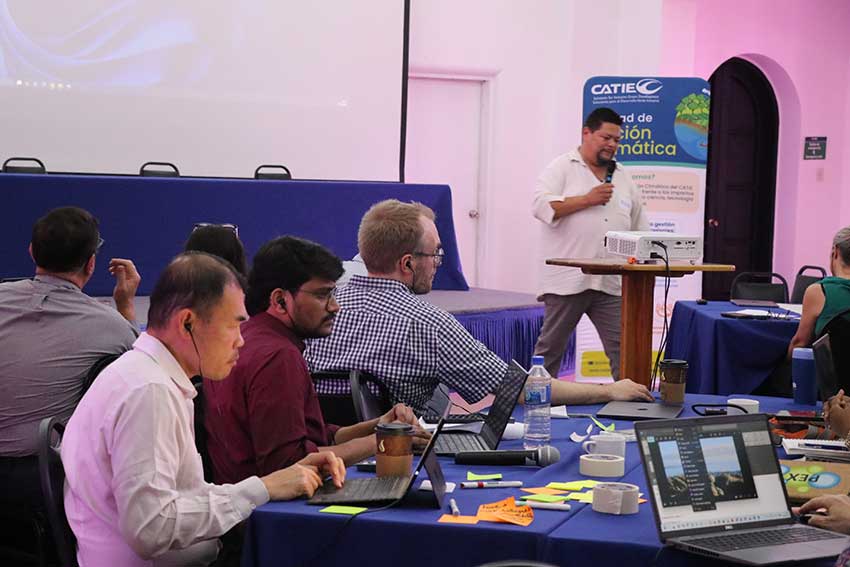
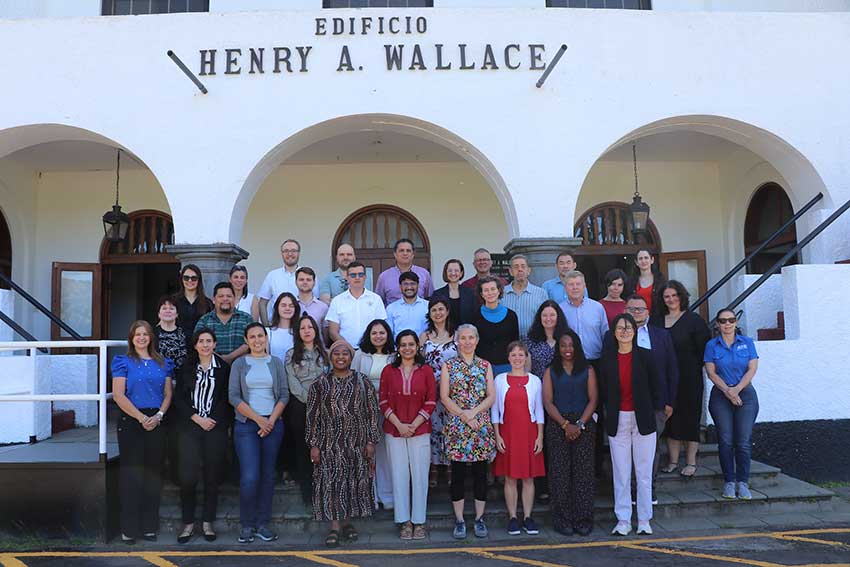
CATIE (Tropical Agricultural Research and Higher Education Center) hosted an international dialogue event to deepen discussion on the challenges and opportunities of antimicrobial resistance (AMR) from a just transition perspective. The activity was held within the framework of the British Academy’s Global Convening Programme 2026, an initiative that promotes intersectoral thinking and dialogue among academia, civil society organizations, community activists, and regional entities on complex global health challenges.
Discussions addressed how responses to AMR are linked to climate change adaptation and environmental sustainability, raising questions about the distribution of responsibilities, equity, decision-making, and enabling conditions for action. In this context, the need to move from awareness to action was emphasized, strengthening approaches that integrate health and environment and recognizing the potential of integrated responses—including nature-based solutions—to build socio-ecological resilience.
Collective action and community participation
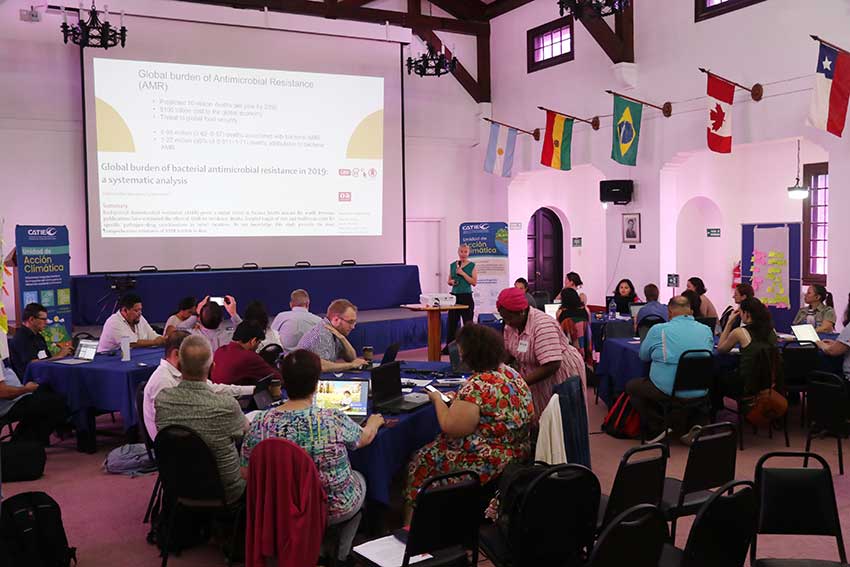
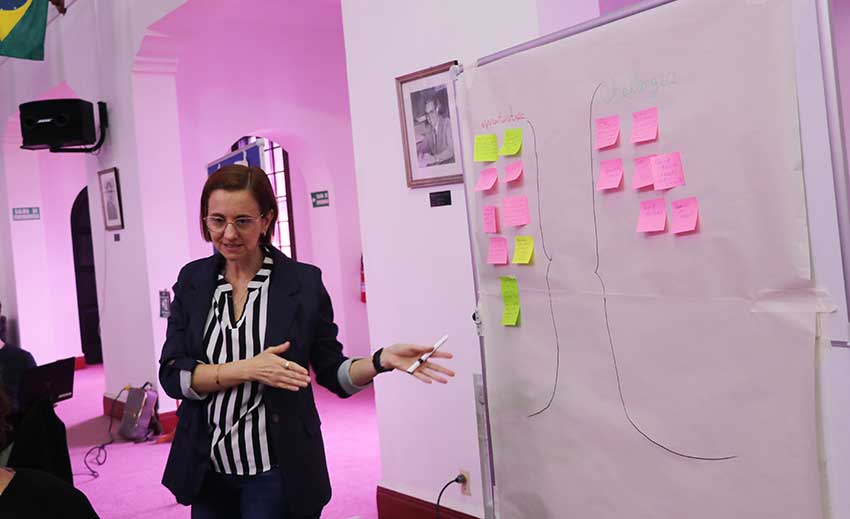
One of the central themes was the role of collective action and community participation. Participants analyzed how involving communities in the design, testing, and scaling of solutions can accelerate real change, but may also generate tensions when power asymmetries or limitations in resources and capacities exist. The exchange underscored the importance of promoting genuine—not symbolic—participation processes that strengthen capacities, legitimacy, and justice in decision-making.
Ancestral knowledge, environment, and health
Another key moment of the program focused on the value of Indigenous and traditional knowledge systems for understanding the relationship between the environment, people, productive systems, and the microbial world, and their practical implications for infection prevention and the management of resistant diseases in communities. The discussion also highlighted the importance of sovereignty over genetic resources and debates around intellectual property in the context of AMR.
Biocapital, innovation, and new incentives
In the afternoon, participants explored the concept of biocapital as a proposal to recognize the ecological and economic value of soils, microbiomes, plants, and ecosystems. They discussed how these approaches could redirect incentives, finance innovation, and strengthen environmental governance to reduce pressures that accelerate AMR and sustain climate resilience.
The program also delved into the importance of innovation in addressing AMR and how different types of resistance (including antiviral, antifungal, and TB) require differentiated responses aligned with a just transition, taking into account environmental sustainability and equitable access.
Finally, the role of international trade in the emergence and spread of AMR was discussed, including the dynamics of global supply chains, the movement of resistant pathogens, and the distribution of health and environmental burdens. The dialogue emphasized equity dilemmas to ensure that AMR containment does not disadvantage actors with lower response capacity or shift costs inequitably.
The contributions from this event will be systematized to support the development of technical and communication products aimed at strengthening coordination among health, environment, and climate action agendas, from a just transition perspective.
More information:
Pablo Imbach
Climate Action Unit
CATIE
pimbach@catie.ac.cr
Written by::
Ileana Ávalos
Climate Action Unit
CATIE
ileana.avalos@catie.ac.cr