Learning by doing: livestock capacities strengthened in Olanchito, Honduras
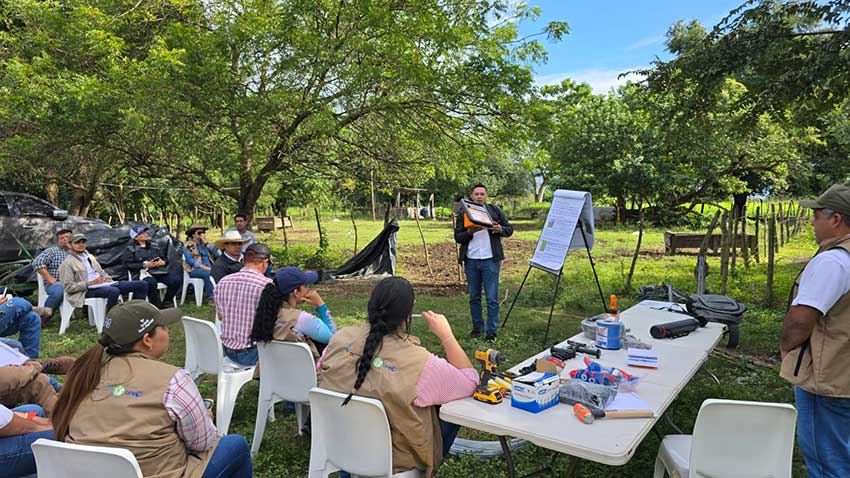
- Technical team strengthens knowledge in animal nutrition, animal health, and farm management under the Farmer Field School approach.
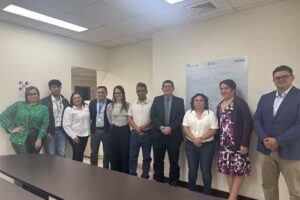
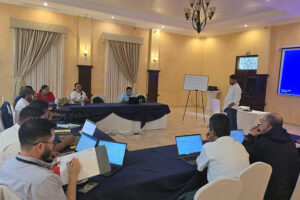
The project Transforming the Honduran Livestock Sector toward Low-Carbon Livestock, known as MAF-Ganadería-HN, implemented by CATIE (Tropical Agricultural Research and Higher Education Center), launched new sessions of the Training of Trainers Program (PCC) in Olanchito, Yoro department, Honduras, with emphasis on animal nutrition, animal health, and livestock farm management.
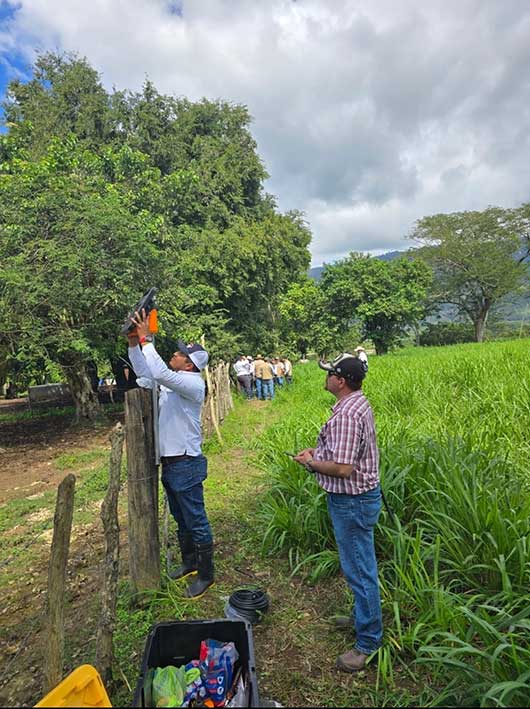
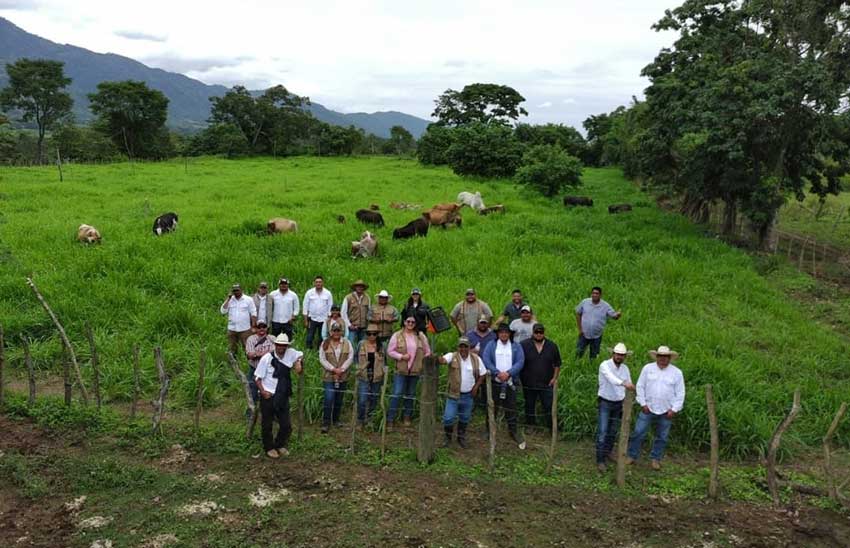
As part of the training process, practical and technical sessions were conducted by specialists from Heifer International and the National Autonomous University of Honduras (UNAH) Atlántida Campus. Among the activities carried out was a practical training on the installation of electric fences, aimed at strengthening efficient paddock management, optimizing grazing, and improving productivity on livestock farms. The trained group consisted of 6 women and 16 men.
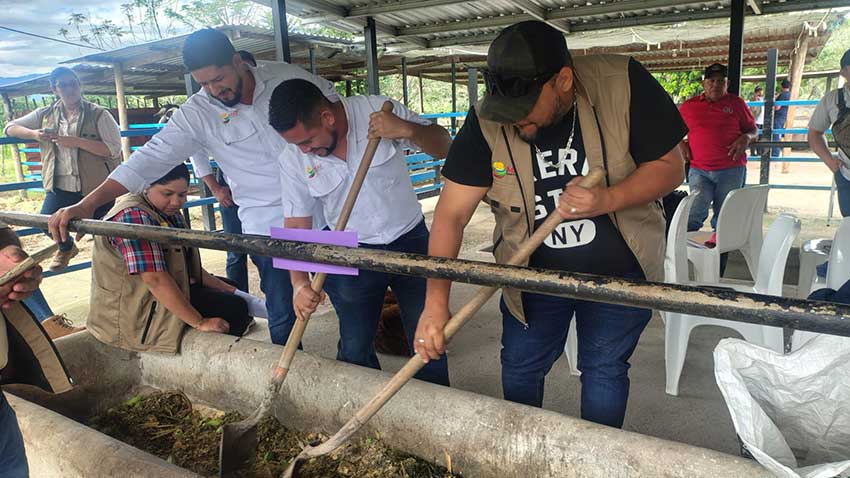
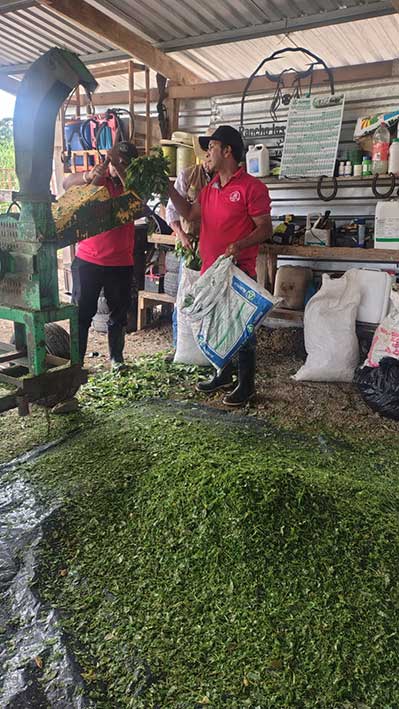
Likewise, the PCC Animal Nutrition session was held, addressing key content on feed composition, as well as the proper preparation of rations and mixtures, allowing for the analysis of feeding alternatives aligned with the availability of resources and the productive conditions of each farm.
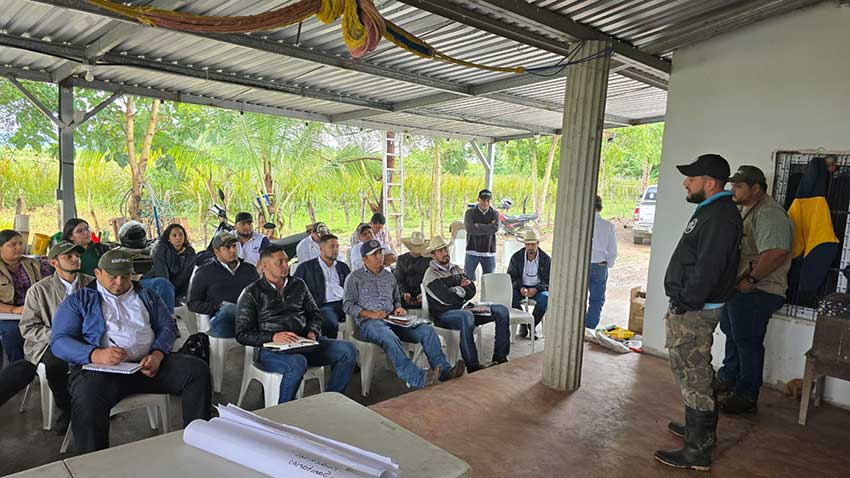
Finally, a session on animal health focused on clostridial diseases and pododermatitis was conducted, in which participants understood the treatments and the steps to follow for proper on-farm management.
The sessions are carried out within the framework of the Farmer Field School methodology, under a learning-by-doing approach, combining practical field sessions with spaces for technical reflection, promoting active participation, exchange of experiences, and direct application of the knowledge acquired.
These practices take place on the farms of producers who are direct beneficiaries of the project and who are part of the learning process, as they and their farm staff participate in the field activities.
Through the Training of Trainers Program, the MAF-Ganadería-HN project continues to strengthen the human capital of the livestock sector, promoting sustainable practices that contribute to improving productive efficiency, comprehensive farm management, and the transition toward low-carbon livestock in Honduras.
About the MAF-Ganadería Honduras project
The MAF-Ganadería Honduras project promotes a low-carbon, resilient, and profitable livestock model aimed at reducing greenhouse gas (GHG) emissions and strengthening the sustainability of the sector.
It is led by the Ministry of Agriculture and Livestock (SAG) and the Ministry of Natural Resources and Environment (SERNA), with technical implementation by CATIE, in collaboration with national partners and with funding from the Mitigation Action Facility. Mitigation Action Facility.
More information:
Juan Carlos Flores
National Coordinator Honduras
Communicator
Project Transforming the Honduran Livestock Sector Towards a Low-Carbon Economy (MAF-Ganadería-HN)
CATIE
juan.flores@catie.ac.cr
Written by:
Gina Samanti Puerto Morazán
Communicator
Communicator
Project Transforming the Honduran Livestock Sector Towards a Low-Carbon Economy (MAF-Ganadería-HN)
CATIE
gina.puerto@catie.ac.cr