CATIE and York University researchers analyze the potential of nature-based actions in Trifinio
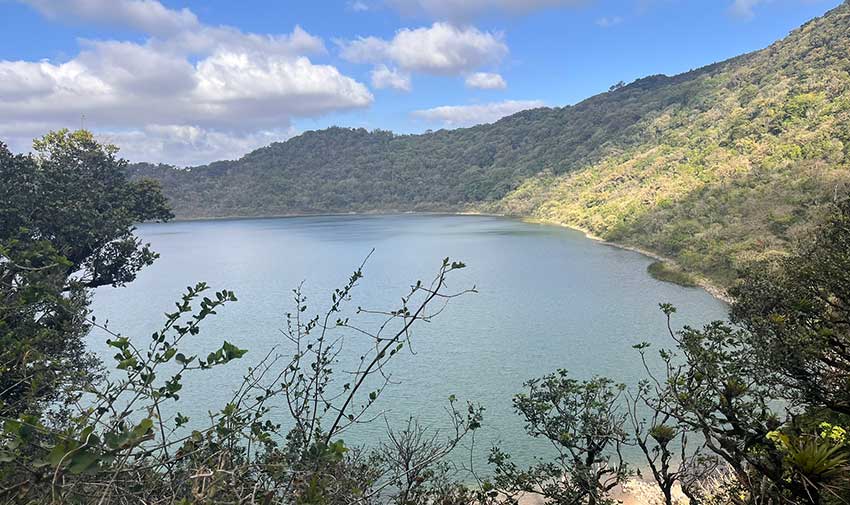
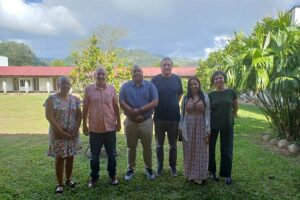
- Researchers from CATIE and York University, Canada, conducted fieldwork in Chiquimula, Guatemala, to deepen the understanding of governance conditions, coordination and collective action that can strengthen climate responses based on nature.
An international research initiative focused on landscapes
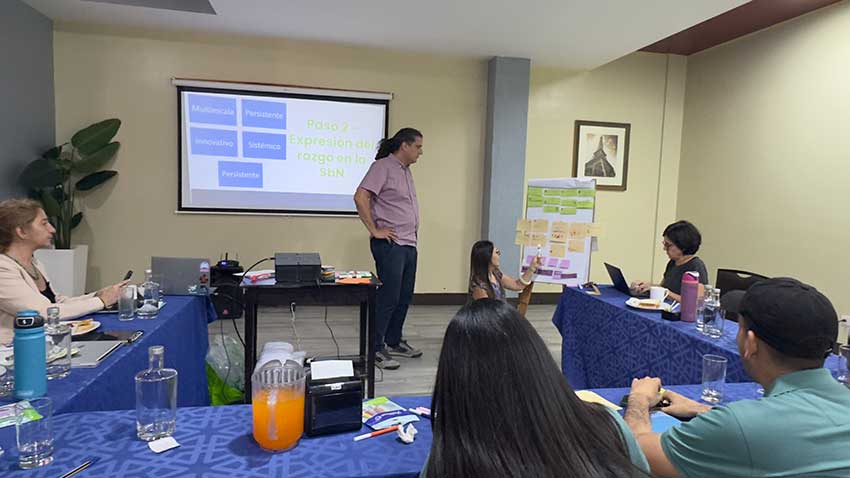
From March 2 to 6, researchers from the Tropical Agricultural Research and Higher Education Center (CATIE) and York University, Canada, conducted a field visit in the Trifinio landscape, in Chiquimula, Guatemala, as part of the international BioCAM4 project, a research initiative that analyzes how nature-based actions can simultaneously contribute to biodiversity, climate change adaptation and community well-being.
The project seeks to understand what makes a nature-based action truly transformative within a landscape and which governance barriers may limit its potential. In this context, the visit made it possible to advance the validation of methodological tools, strengthen dialogue with key stakeholders and prepare the next stage of qualitative data collection.
The question guiding the study
The field mission is part of the case studies that BioCAM4 is developing in Central America to understand how, and under what governance conditions, nature-based actions can deploy transformative potential.
Ileana Ávalos, CATIE researcher, explained that: “this work helps us better understand how ecological, social and institutional factors interact within the landscape. Analyzing these dynamics is key to identifying the conditions that allow nature-based actions to generate truly transformative impacts, as well as the governance conditions required for their permanence.”
Fieldwork with key landscape stakeholders
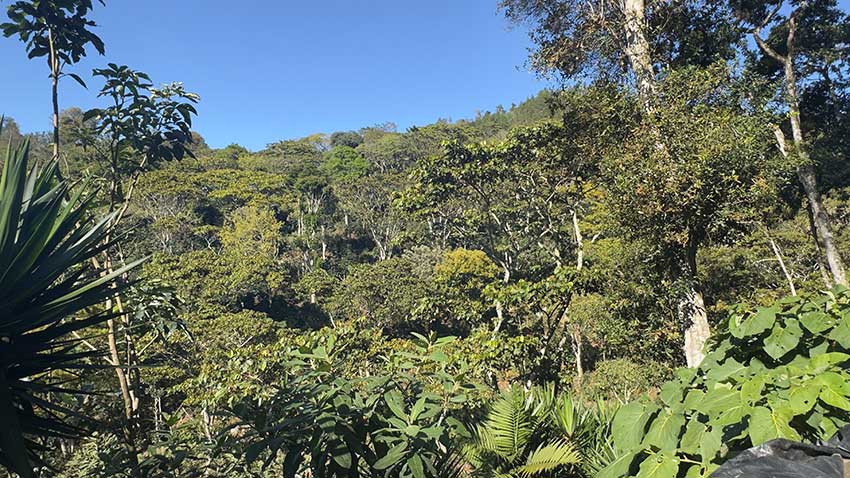
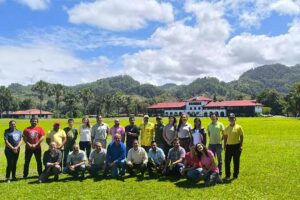
During the week of activities, the team carried out various participatory research activities to deepen the analysis of the landscape and the governance dynamics that influence the implementation of these initiatives.
Activities included a focus group with the organization ASOVERDE, interviews with key landscape stakeholders and a meeting with Eng. César Beltetón, National Executive Director for Guatemala of the Trinational Commission of the Trifinio Plan.
During this meeting, the project’s objectives were shared and potential areas of synergy were explored with the actions that the Trifinio Plan promotes in the region to strengthen sustainable development and trinational cooperation.
Horacio Estrada, manager of ASOVERDE, highlighted the value of this exchange for the organization and for the landscape: “For ASOVERDE, it has been a very enriching experience to receive the visit of the research team from CATIE and York University within the framework of BioCAM4. We were able to share our progress in implementing nature-based actions and, at the same time, receive valuable feedback to strengthen the work we are promoting in the landscape. The visit also facilitated spaces for dialogue and coordination with local and national stakeholders, including the links established with MARN and the Trifinio Plan. These types of exchanges strengthen us and motivate us to continue working toward a more resilient landscape, in an environment of peace and security.”
Landscape experiences that inform the research
The field visits also made it possible to observe concrete experiences that reflect the potential of nature-based actions in the Trifinio landscape.
These include natural regeneration and fire management processes promoted through coordination between municipal actors and the organization ASOVERDE, as well as the organization’s experience in sustainable forest management, promoting demonstration plots in coordination with INAB and under the framework of forest legislation, aimed at landscape restoration and the responsible use of forest resources.
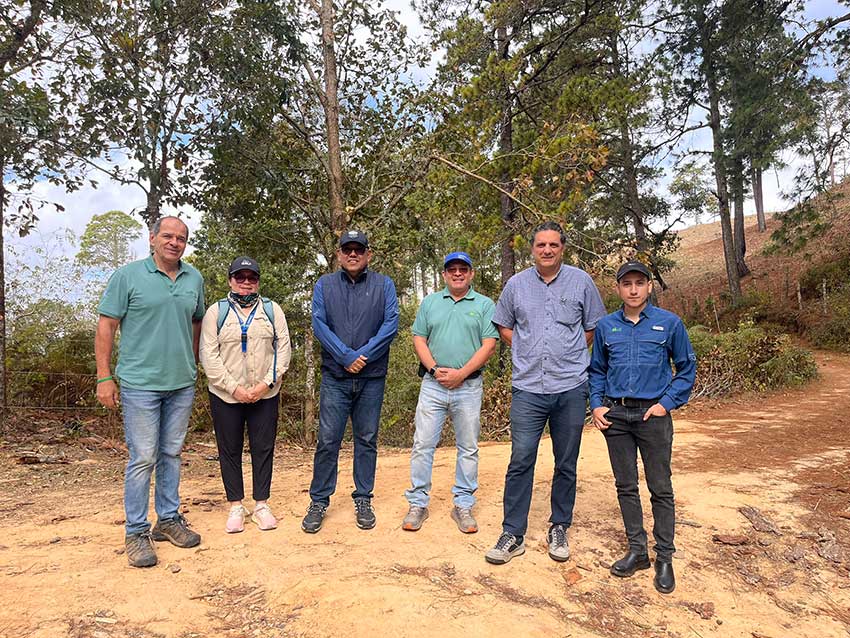
These actions are complemented by the implementation of technologies promoted by CATIE, such as rainwater harvesting systems for water capture in areas of high groundwater recharge, which contribute to the conservation of water sources and the strengthening of agroforestry systems.
Strategic collaboration with CONAP was also observed in the establishment of nurseries with forest species to strengthen the biological corridor of the Ipala volcano.
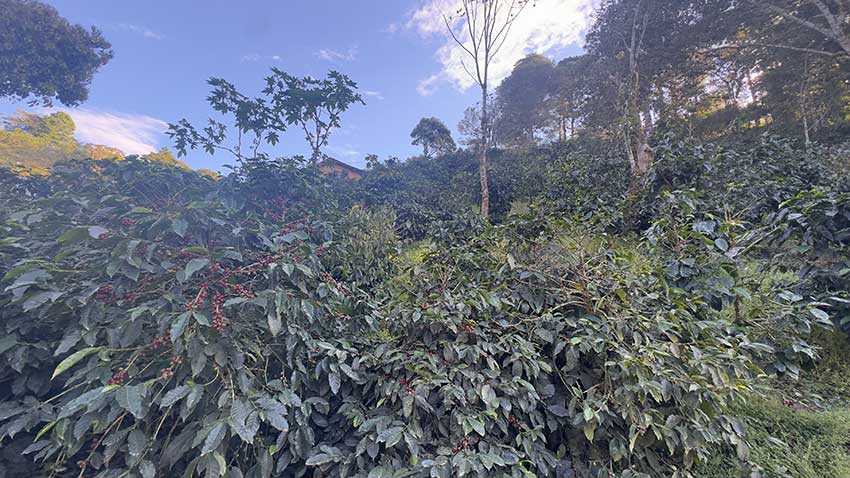
In addition, the analysis of the productivity of the coffee value chain shows a system with grain traceability, environmental sustainability and territorial governance that creates employment opportunities for women and young people, while strengthening the capacities of local producers to maintain quality standards.
Maricela Méndez, specialist from CATIE’s Climate Action Unit, noted that “the visit made it possible to confirm that in the Trifinio landscape there are already concrete experiences that demonstrate the value of nature-based actions. What is important is that these are not isolated efforts, but processes that bring together communities, institutions and local stakeholders around restoration, sustainable resource management, water conservation and more sustainable livelihoods.”
A key landscape for understanding transformative potential
The Trifinio landscape represents a relevant case study for understanding how to strengthen climate actions based on nature in the face of challenges such as climate variability, water availability, environmental degradation and socioeconomic vulnerability.
In this context, BioCAM4 seeks to analyze how initiatives already present in the landscape—such as restoration, forest management, water conservation or sustainable production systems—can be strengthened through better governance conditions and stronger coordination among stakeholders.
Idil Boran, BioCAM4 coordinator and researcher at York University, highlighted that: “the Trifinio region hosts a wide range of initiatives that support landscape planning, restoration and the implementation of concrete actions. Through its partnership with CATIE and local stakeholders, BioCAM4 seeks to understand which governance conditions would allow these efforts to achieve a truly transformative character.”
Contributions to research and action
The results of this visit will contribute to the development of the project’s case studies and to the generation of analytical tools that will help identify both transformative features and governance barriers in the implementation of nature-based actions.
These lessons will feed into the comparative analysis that BioCAM4 is conducting in different regions of the world, with the aim of strengthening climate responses that integrate biodiversity, human well-being and landscape sustainability.
More information/written by:
Ileana Ávalos
Climate Action Unit
CATIE
ileana.avalos@catie.ac.cr