REFORES Technical Advisory Group in Honduras strengthens interinstitutional coordination and aligns priorities toward 2026
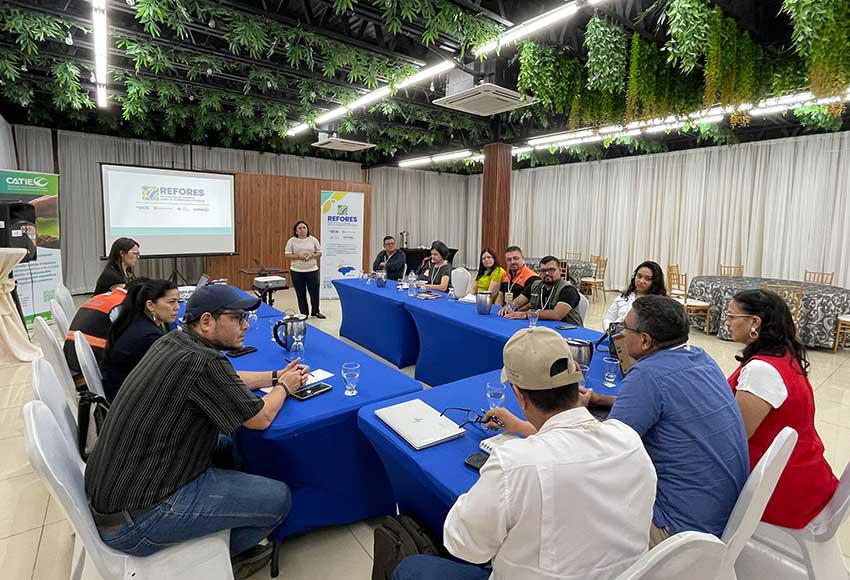
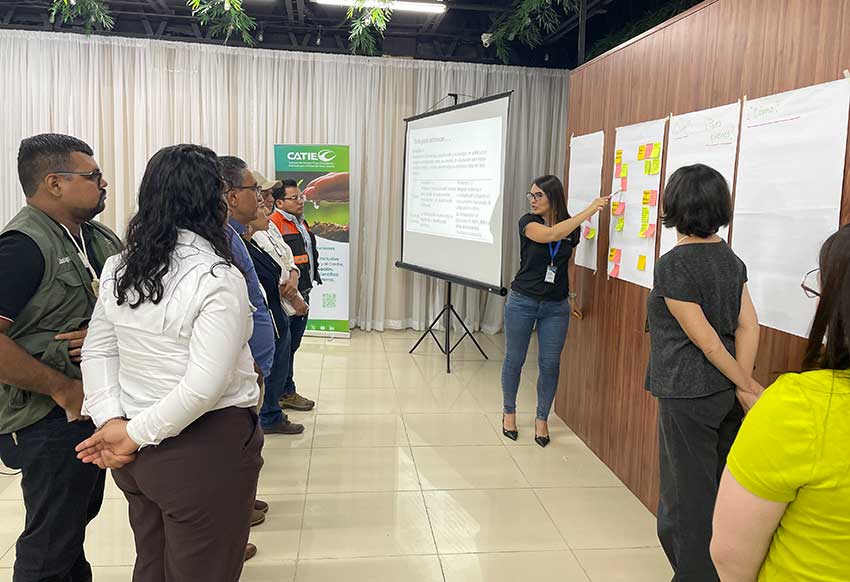
- The annual meeting of the REFORES Technical Advisory Group (TAG) served as a key space to coordinate actions, exchange learning, and link restoration with risk management and climate change adaptation.
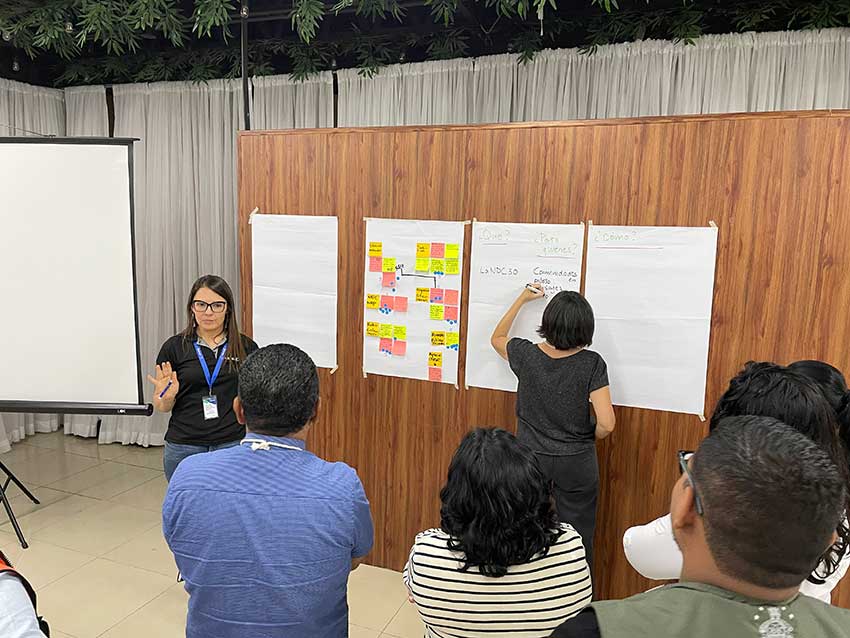
Within the framework of the project “Use of nature-based solutions to increase resilience to extreme climate events in the Atlantic region of Central America” (REFORES – Forest Restoration for Climate Resilience), a working session of the REFORES Technical Advisory Group (TAG) was held in Honduras, bringing together technical institutions, governments, and key stakeholders to advance strategic actions aimed at strengthening coordination and accelerating agreements around watershed restoration and water resilience.
The TAG was established as a platform for technical dialogue that enables the alignment of priorities, perspectives, and institutional capacities under a territorial approach.
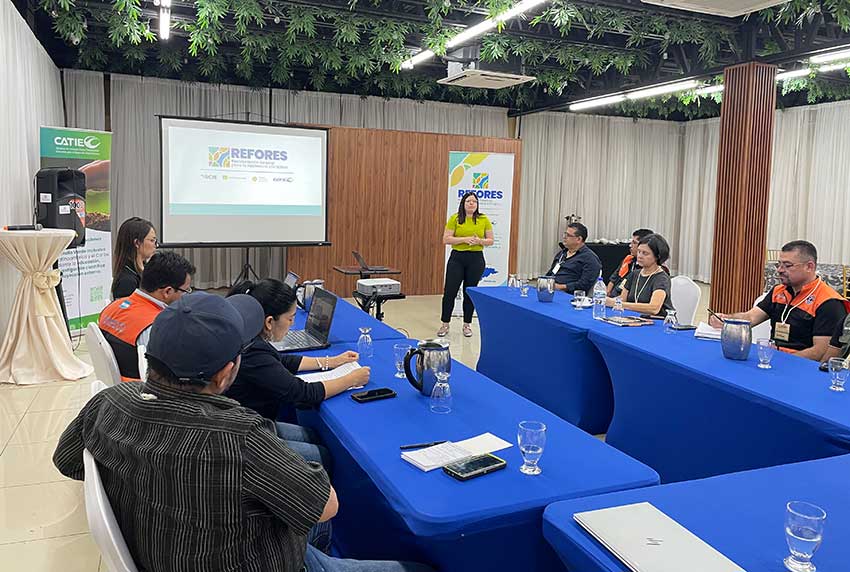
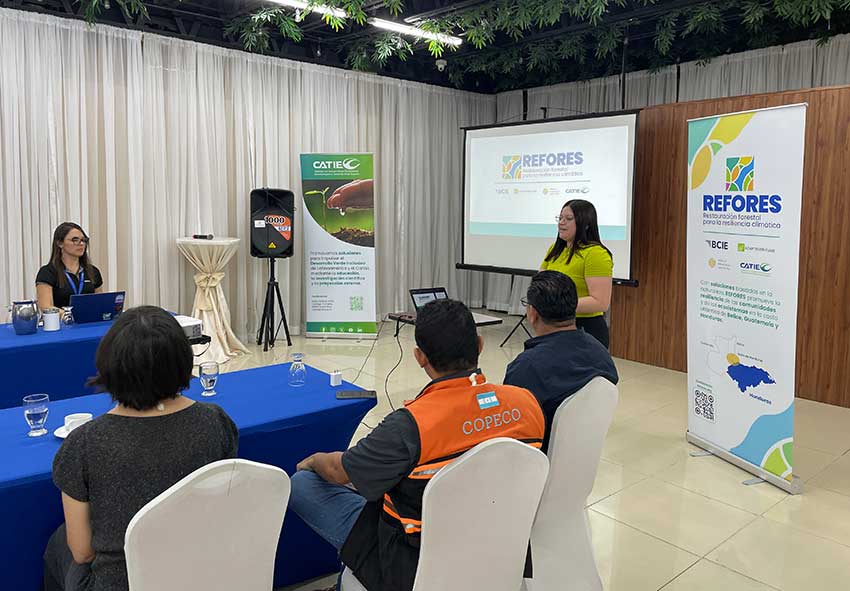
At this meeting, Paulette Herrera, technician from the Directorate of Adaptation of the Secretariat of Natural Resources and Environment (SERNA), highlighted that REFORES has played a key role as a coordinating platform for the various perspectives of each institution to articulate actions that will be implemented. She also emphasized that this space has enabled the coordination of actions with other institutions defined by the National Risk Management System, strengthening interinstitutional processes among government entities and communities.
For the Secretariat of State in the Offices of Risk Management and National Contingencies (COPECO), the meeting represented an opportunity to share progress in project monitoring, strengthen interinstitutional planning, and identify synergies between institutions to support COPECO in its REDD+ strategy and in the vulnerability assessment to be developed in the coming year.
Pablo Posadas also highlighted that this space has been key to linking REFORES with water management, as COPECO is strengthening water governance and connecting two sectors: watershed restoration and risk management. He noted that this effort seeks to incorporate best practices in the country, share national and regional experiences, and draw lessons learned for implementation.
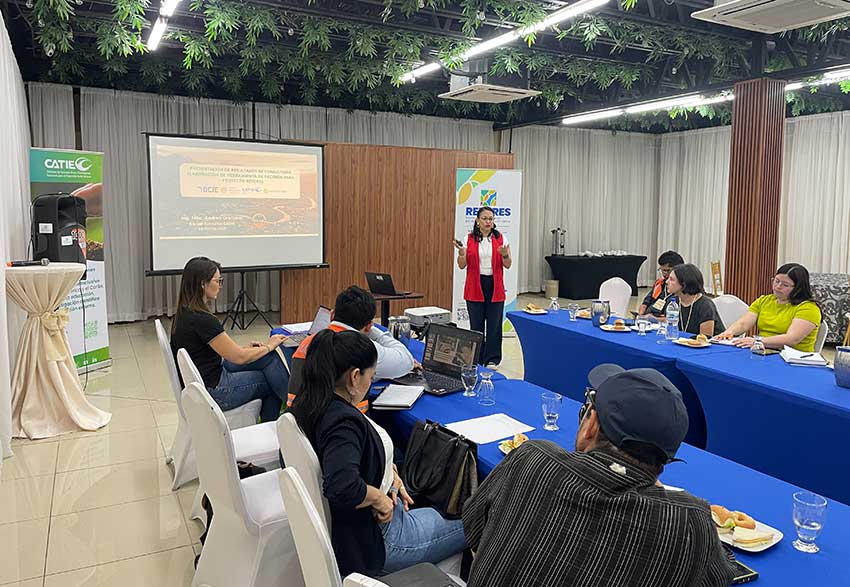
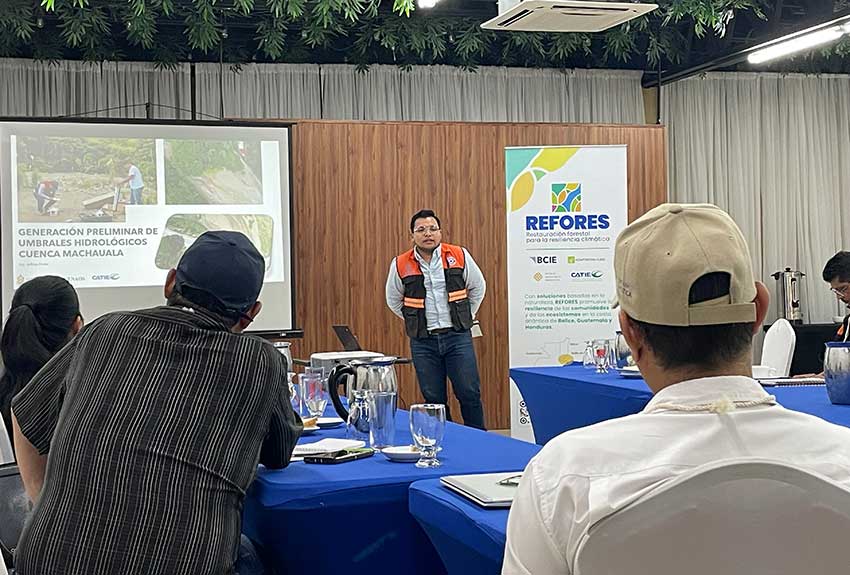
A space to coordinate actions and sustain results
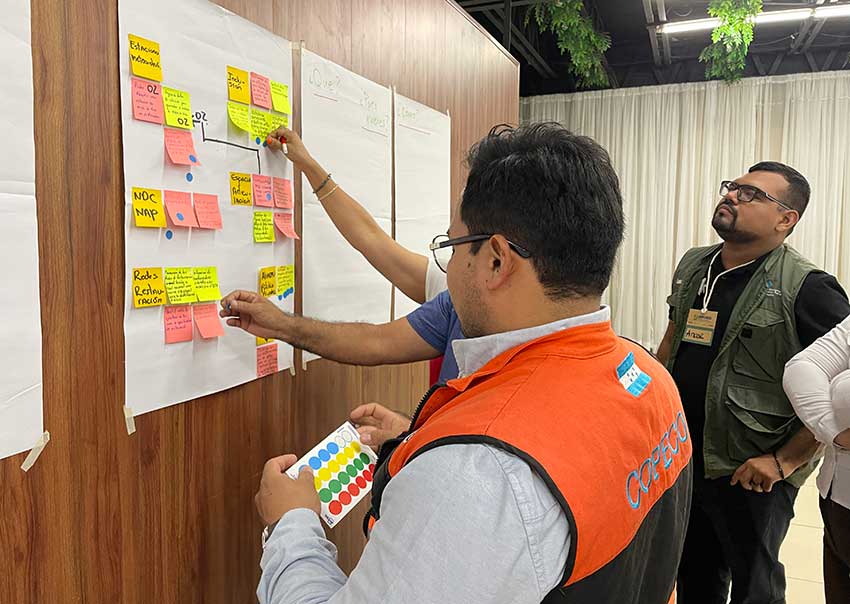
During the session, participants agreed on the importance of strengthening coordination and follow-up among institutions to ensure that restoration efforts advance with clear roles, coordination mechanisms, and continuity over time. In this context, the TAG enabled the review of strategic project tools aimed at prioritizing territories, implementing actors, and intervention actions, as well as consolidating a shared vision on how to link restoration with resilience and local livelihoods through a multicriteria approach.
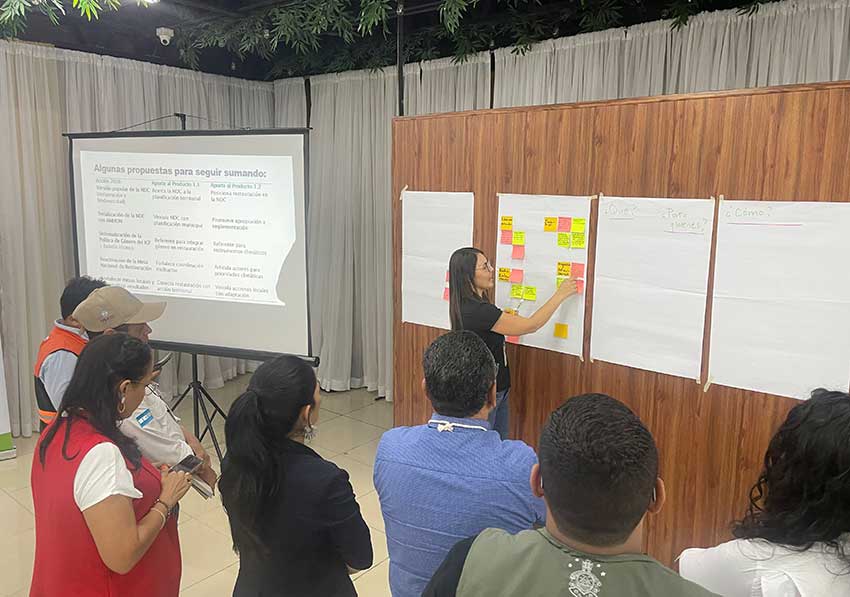
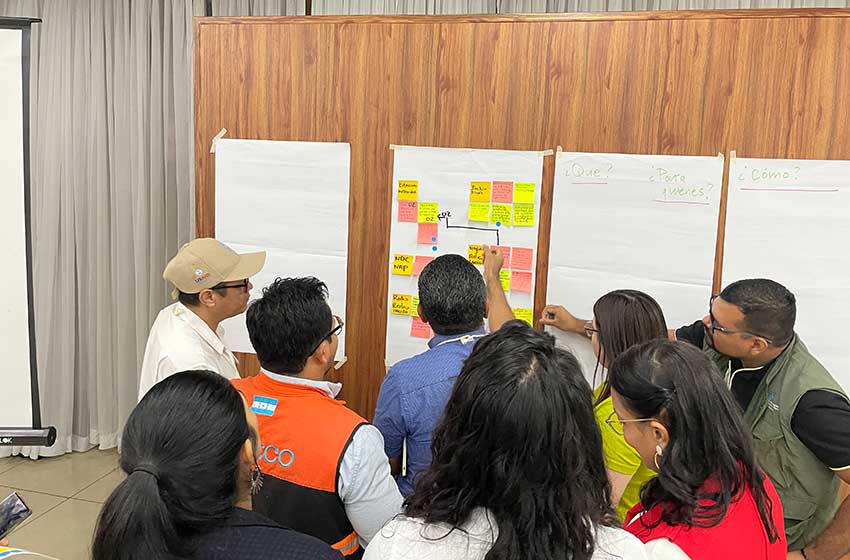
Likewise, in the policies and governance block, participants worked on a package of ideas to strengthen advocacy and multiactor, multilevel coordination. Key areas of focus included generating synergies with the NDC update process (toward NDC 3.0) through outreach and strategic messaging; promoting public–private partnerships for the protection and restoration of water resources; and strengthening data governance for decision-making, including the standardization of information, improvement of reporting flows, and the integration of monitoring efforts (including community-based monitoring) with national platforms and institutions. These lines of action were also discussed incorporating cross-cutting criteria to integrate gender, environment, and climate change approaches into planning and implementation.
In closing, it was agreed to follow up on the contributions of the TAG to adjust and strengthen the instruments presented and to move forward on the 2026–2028 advocacy roadmap. In the short term, the following actions are planned: (i) systematize the group’s inputs and circulate a summary of agreements; (ii) coordinate with SERNA the linkage of prioritized actions with the NDC process; and (iii) activate technical coordination to formalize partnerships and improve data governance and use, supporting informed decision-making and sustainable actions in the territory.
About the project
The REFORES – Forest Restoration for Climate Resilience project – is implemented by the Central American Bank for Economic Integration (CABEI), and executed by the World Resources Institute (WRI) and CATIE (Tropical Agricultural Research and Higher Education Center), with funding from the Adaptation Fund (AF).
Written by:
Ileana Ávalos
Climate Action Unit
CATIE
ileana.avalos@catie.ac.cr