Conservación Osa y Activa-CATIE impulsan negocios en fila costeña con impacto ambiental, económico y social
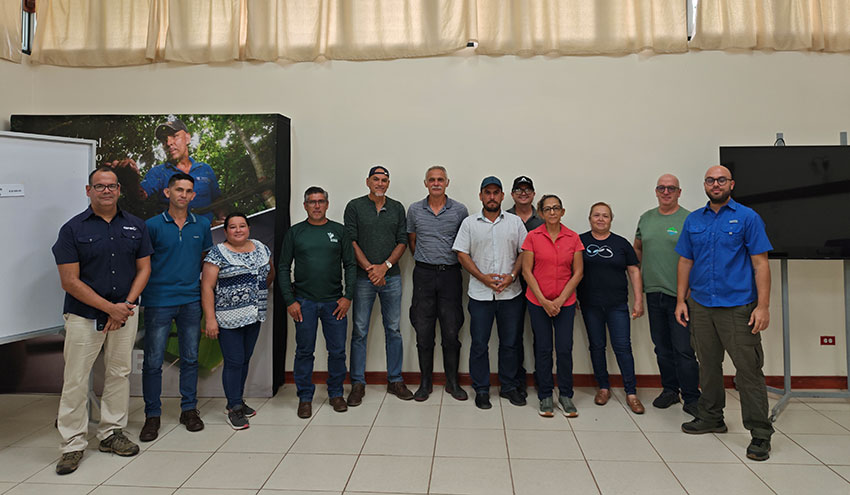
- En la zona sur de Costa Rica 26 personas productoras y emprendedoras están transformando la forma en que se gestionan sus fincas y negocios a través de la incorporación de herramientas financieras, innovación y sostenibilidad en sus modelos productivos.
Por medio de un proceso de capacitación liderado por el Laboratorio de Innovación y Emprendimiento: Activa del CATIE (Centro Agronómico Tropical de Investigación y Enseñanza), en alianza con la Asociación Conservación Osa, actores locales fortalecen sus capacidades para mejorar la rentabilidad, diversificar sus ingresos y avanzar hacia sistemas productivos más resilientes, demostrando que la sostenibilidad también es una oportunidad concreta de desarrollo económico en los territorios rurales.
Esta iniciativa se desarrolló en el marco del proyecto Implementación de Estrategias de Restauración de Ecosistemas y Producción Sostenible para potenciar la Resiliencia Climática en la Fila Costeña, financiado con recursos de SAVIA y administrado por Costa Rica por Siempre, el cual busca fortalecer la resiliencia climática de los bosques y las fincas mediante la restauración de ecosistemas, la conectividad entre hábitats y la transferencia de conocimiento hacia las comunidades locales.
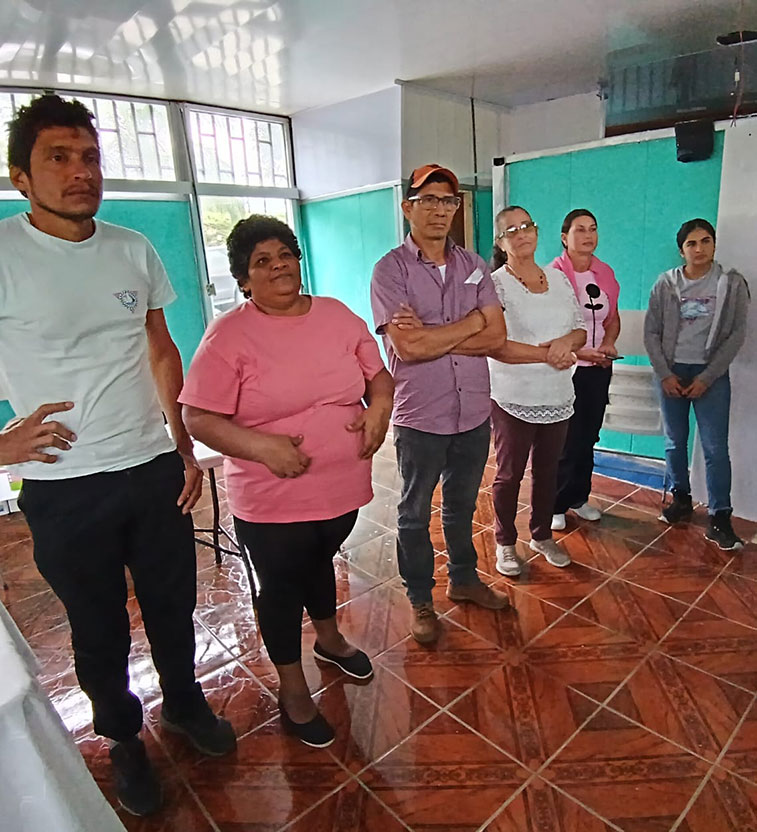
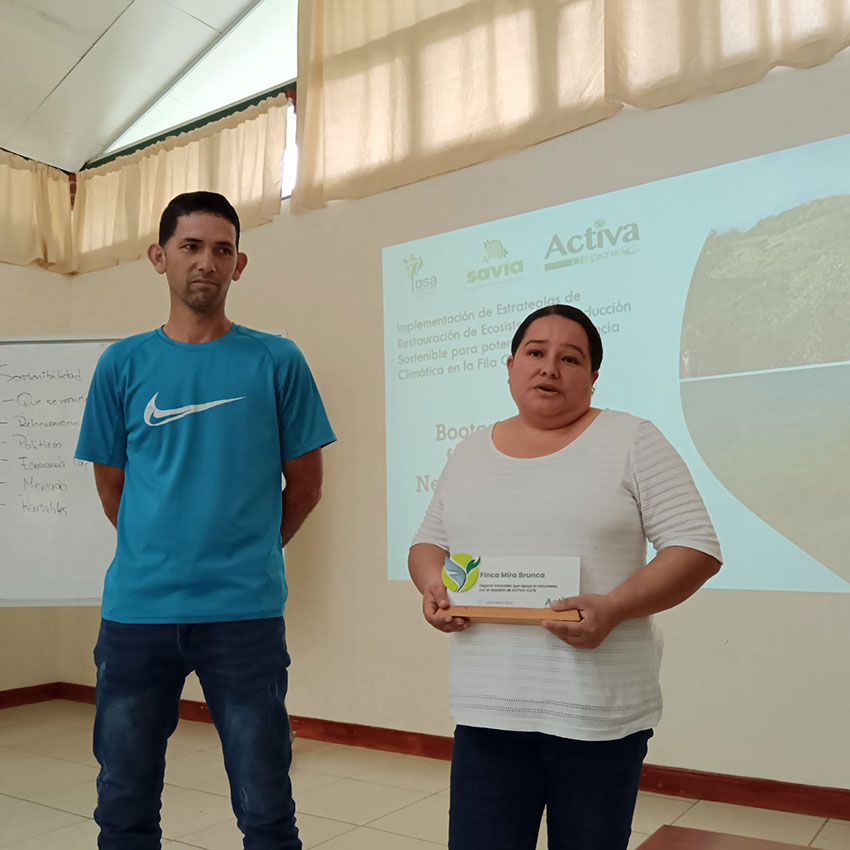
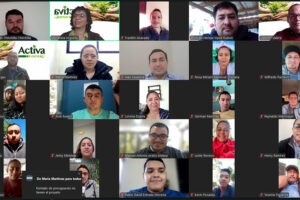
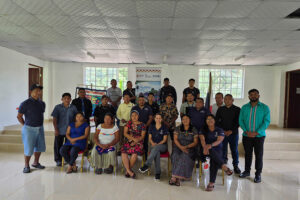
“Activa-CATIE asumió la facilitación de un proceso formativo estructurado en dos bootcamps, impartidos a dos grupos de participantes según su ubicación geográfica, uno en la zona de San Vito y otro en la zona de Río Claro, ambos dentro del área de influencia del proyecto Fila Costeña”, mencionó Vladimir Valera, coordinador de Activa-CATIE.
Desarrollo del proceso de capacitación
El proceso inició en noviembre de 2025 con el bootcamp enfocado en la formulación de negocios sostenibles, desarrollado en la Estación Biológica Las Cruces en San Vito y en la sede de la ASADA de Villa Briceño. Posteriormente, en abril de 2026, se llevó a cabo el segundo bootcamp titulado Negocios sostenibles: construyendo productividad con enfoque en conservación, realizado en la misma estación biológica y en las instalaciones de CANAPALMA, en Río Claro.
Cada bootcamp tuvo una duración de día y medio, equivalente a 12 horas de formación, lo que permitió que cada participante completara un total de 24 horas de capacitación a lo largo del proceso, acumulando 48 horas de formación impartida en conjunto.
Capacidades fortalecidas
A lo largo de estos espacios formativos, las personas participantes fortalecieron sus capacidades en temas clave para la gestión empresarial sostenible, incluyendo el diseño de modelos de negocio con enfoque de triple impacto, la innovación de productos, la construcción de propuestas de valor, así como herramientas prácticas para la gestión financiera, el análisis de costos, la definición de precios, el manejo del flujo de caja y el cálculo del punto de equilibrio, entre otros temas.
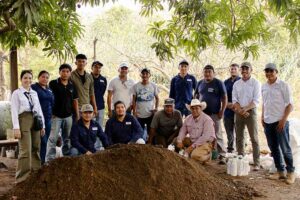
“En total, participaron 26 personas productoras y emprendedoras, distribuidas equitativamente entre hombres y mujeres, quienes desarrollan actividades como ganadería, agricultura orgánica, turismo rural, café, abonos orgánicos, producción de derivados lácteos, entre otros rubros”, explicó Vinicio Vargas, gestor en desarrollo empresarial de Activa-CATIE
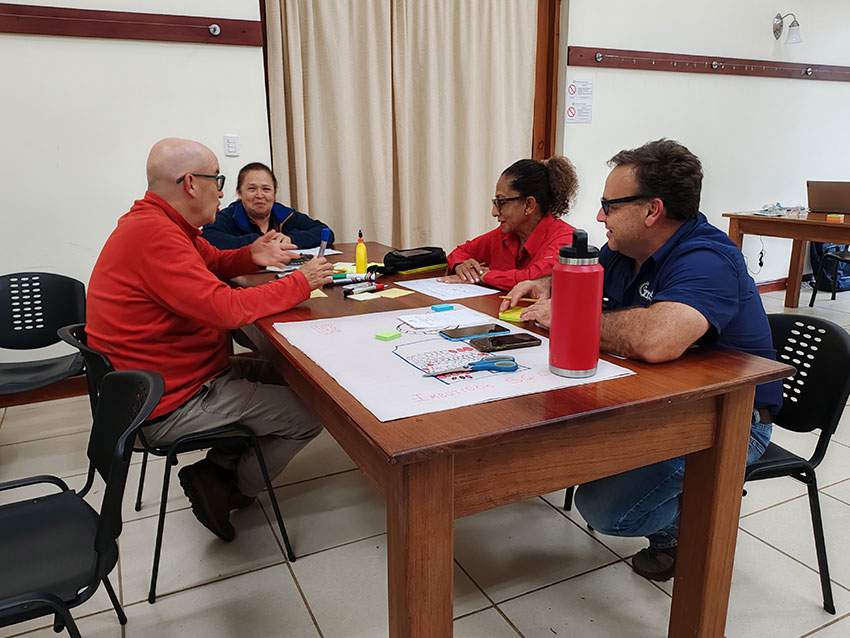
Cabe destacar que este enfoque territorial permitió adaptar los contenidos a las realidades productivas de la zona y promover la aplicación práctica de los conocimientos adquiridos.
Por su parte, Vladimir Valera comentó que desde Activa-CATIE se destaca este tipo de procesos colaborativos para ampliar el impacto en los territorios rurales. “Nos sentimos muy complacidos de poder aportar, desde nuestro trabajo, al fortalecimiento del sector emprendedor rural en esta zona del país”, explicó el coordinador de Activa-CATIE”.
“Espacios como estos permiten acercar herramientas prácticas a los productores y generar cambios reales en la forma en que gestionan sus negocios. Asimismo, el trabajo en alianza, como el que desarrollamos con Conservación Osa, nos permite potenciar y escalar nuestras acciones y resultados, generando un impacto más amplio y sostenible en los territorios”, complementó Valera.
En relación con este proceso, Rodrigo de Sousa, gerente del programa de bosques tropicales de la Asociación Conservación Osa, destacó la relevancia de este tipo de espacios formativos para el fortalecimiento de las capacidades productivas en la región.
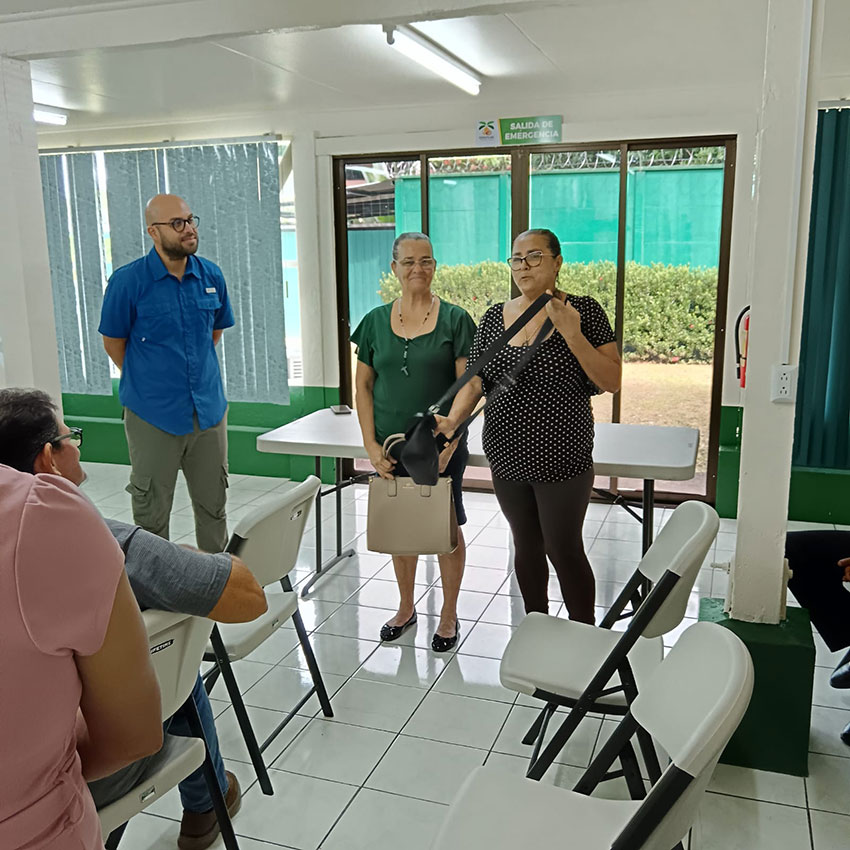
“Trabajamos con Activa-CATIE en el marco del proyecto Fila Costeña, que además de la restauración tiene un fuerte componente de educación, extensión y entrenamiento con productores de la zona, por lo que estos bootcamps sobre negocios rurales sostenibles son fundamentales porque brindan herramientas financieras que permiten a los productores llevar sus fincas al siguiente nivel”, mencionó Sousa.
El gerente del programa añadió que, “en muchos casos, los productores manejan muy bien sus sistemas productivos, pero requieren fortalecer aspectos como la gestión financiera, la diferenciación de sus productos o la definición de precios de venta. Vimos un alto interés por parte de aproximadamente 25 productores en cada sesión, lo que demuestra la importancia de este tipo de iniciativas. Agradecemos mucho la colaboración con Activa-CATIE en el marco de este proyecto”.
Aportes al proyecto y rol de Activa-CATIE
Estas acciones se enmarcan en el Resultado 2 del proyecto, orientado a mejorar la calidad ambiental del paisaje agrícola y fomentar la diversificación de las fuentes de ingreso mediante soluciones basadas en la naturaleza, contribuyendo así al fortalecimiento de los medios de vida de las familias productoras.
Como parte de su compromiso con el fortalecimiento del ecosistema emprendedor rural, el equipo de Activa-CATIE participó en este proceso de capacitación dirigido a personas productoras y emprendedoras de la zona sur de Costa Rica, por invitación de la Asociación Conservación Osa.
Dicha participación reafirma su rol como aliado estratégico en la promoción de emprendimientos rurales sostenibles, mediante la transferencia de metodologías y herramientas que integran la sostenibilidad ambiental, social y económica en la gestión empresarial.
More information/written by:
Vladimir Valera M.
Coordinator
Innovation and Entrepreneurship Laboratory: Activa-CATIE
CATIE
vvalera@catie.ac.cr