Honduras strengthens its livestock extension system with the validation of technical training guides
- A key step in consolidating the country’s main effort to build a modern, sustainable, and knowledge-based livestock extension system.
Within the framework of the project Transforming the Honduran livestock sector into a low-carbon economy, known as MAF-Ganadería-HN, specialists, facilitators, and key stakeholders in the sector validated a set of technical guides that are positioned as the foundation of a national livestock extension system. This process represents a milestone in the development of practical tools to strengthen the productivity, sustainability, and resilience of the sector.
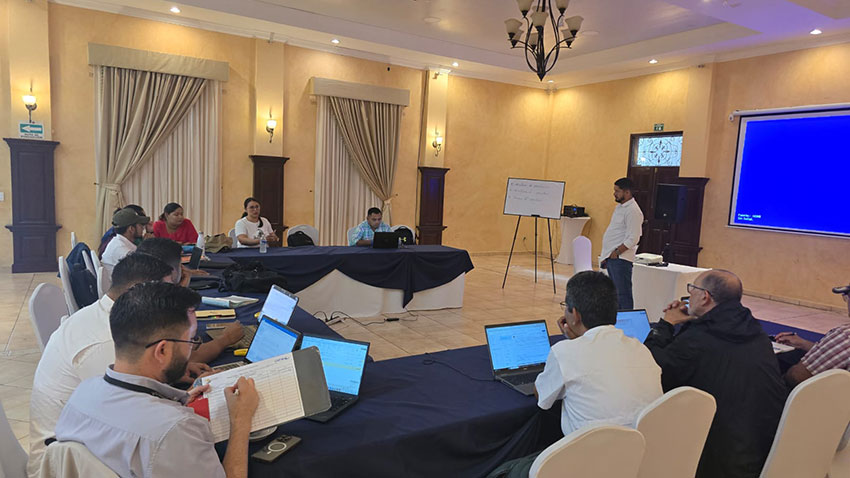
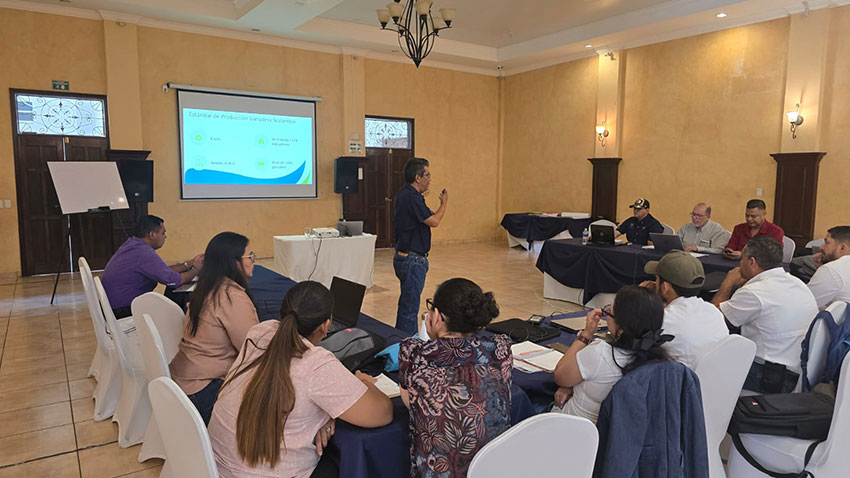
The workshop for the review and validation of training guides for livestock Farmer Field Schools brought together technical experts and territorial stakeholders in a participatory process aimed at ensuring the methodological quality, relevance, and applicability of the training materials. Over four days of intensive work, key content related to pasture management, animal health, resilient practices, water resource management, agroforestry systems, and productive infrastructure was reviewed.
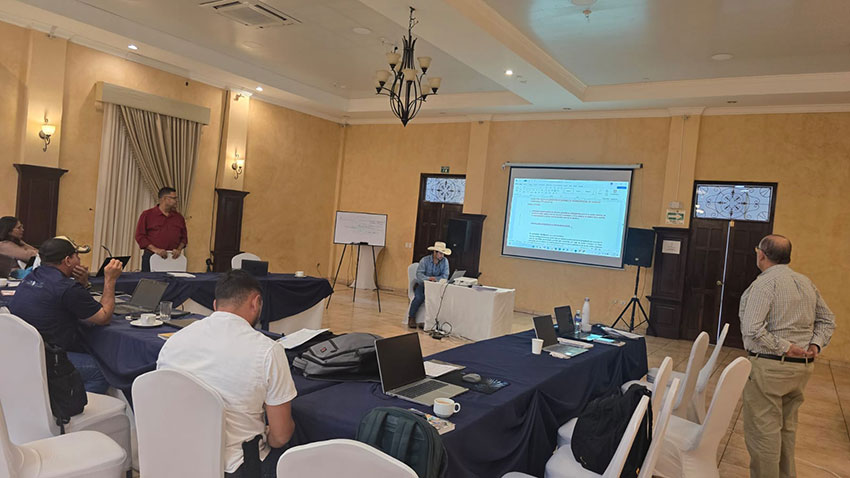
“The validation of these guides ensures that the content is not only technically sound, but also applicable in the field. This is key to achieving real changes in production systems,” said Carlos Tabora, a technical specialist who participated in the workshop. especialista técnico participante del taller.
This process constitutes one of the country’s main efforts to structure a modern livestock extension system, based on participatory learning and adapted to territorial realities. The validated guides will strengthen the capacities of producers and facilitators, promoting the adoption of sustainable and climate-resilient practices.
The development and validation of these guides goes beyond the technical sphere, consolidating itself as a strategic pillar for the development of the Honduran livestock sector. These materials will help standardize training processes, strengthen capacities in the territory, and facilitate the adoption of sustainable practices among thousands of producer families.
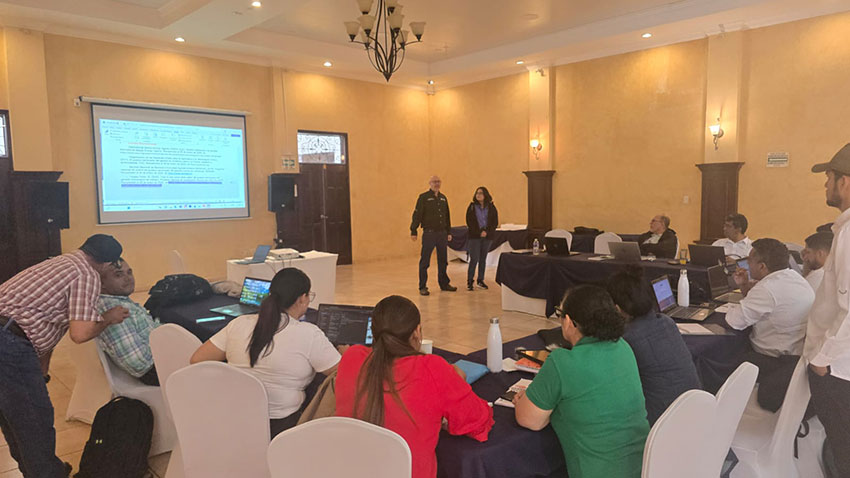
Likewise, this effort directly contributes to the transition toward low-carbon livestock production, promoting production systems that are more resilient to climate change, efficient in resource use, and aligned with national and international environmental commitments.
With this progress, the MAF-Ganadería-HN project reaffirms its role as a catalyst for transformation in the sector, laying the groundwork to scale innovative extension models nationwide. The implementation of these guides will mark a before and after in the way knowledge, innovation, and sustainability are promoted in the country’s livestock sector.
About the MAF-Ganadería-HN project
The MAF-Ganadería-HN project promotes a low-carbon, resilient, and profitable livestock model aimed at reducing greenhouse gas (GHG) emissions and strengthening the sustainability of the sector.
It is led by the Secretariat of Agriculture and Livestock (SAG) and the Secretariat of Natural Resources and Environment (SERNA), with technical implementation by CATIE (Tropical Agricultural Research and Higher Education Center) and funding from the Mitigation Action Facility.
More information:
Juan Carlos Flores
National Coordinator Honduras
Transforming the Honduran Livestock Sector into a Low-Carbon Economy (MAF-Ganadería-HN).
CATIE
juan.flores@catie.ac.cr
Written by:
Gina Samanti Puerto Morazán
Communicator
Transforming the Honduran Livestock Sector into a Low-Carbon Economy (MAF-Ganadería-HN).
CATIE
gina.puerto@catie.ac.cr