CATIE is part of project to contain antimicrobial resistance
- The project is funded by the British Academy of Sciences and integrates a multidisciplinary team of 20 researchers from the health sciences, social sciences and humanities.
April 24, 2023. CATIE (Tropical Agricultural Research and Higher Education Center) is proud to be part of a project funded by the British Academy of Sciences that aims to find fair and effective solutions to contain antimicrobial resistance (AMR) while minimizing burdens and potential risks to society. This project is crucial given the increase in bacterial resistance to antibiotics and the threat it poses to human and animal health.
The project seeks to address antimicrobial resistance from a just transition perspective and integrates a multidisciplinary team of 20 researchers from the health, social sciences and humanities, under the leadership of Sonia Lewycka and Phaik Yeong Cheah, both from the University of Oxford.
CATIE's role in the project, through the participation of Pablo Imbach, leader of the Center's Climate Action Unit, focuses on the use of nature-based solutions for a just transition in antimicrobial resistance management. "In particular, CATIE is working on identifying the role of nature-based solutions for the management of the microbial environment and synergies with responses for the promotion of sustainable and climate-adapted practices for a just transition of agriculture and rural communities," said Imbach.
Antimicrobial resistance challenge
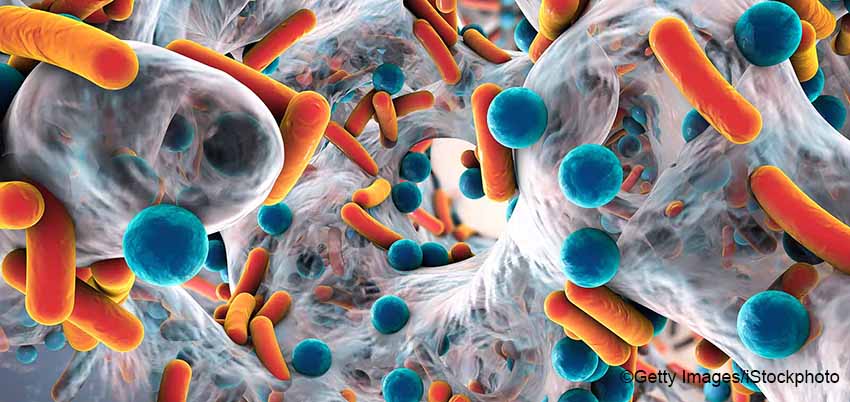
Antimicrobial resistance (AMR) is among the most important global health concerns. In 2019, 1.27 million deaths were attributed to resistant bacterial infections, and by 2050, AMR is projected to cost more than USD 100 billion per year, accounting for 10 million deaths worldwide. Antimicrobial resistance transcends borders and affects communities in all regions of the world.
Poor and marginalized populations are among those most affected by AMR, but the global discourse on policies and solutions often overlooks the challenges facing these settings. "Containing the spread of AMR and avoiding a future where antimicrobials no longer work and common infections become potentially lethal will require urgent, system-wide change," Imbach said.
More information/written by:
Pablo Imbach
Climate Action Unit Leader
CATIE