CATIE receives BCIE Head of Sustainability to explore the regional scaling of climate and productive solutions
- With this meeting, CATIE and BCIE reaffirm their interest in strengthening a joint agenda that combines applied science, innovation, financing, and technology transfer.
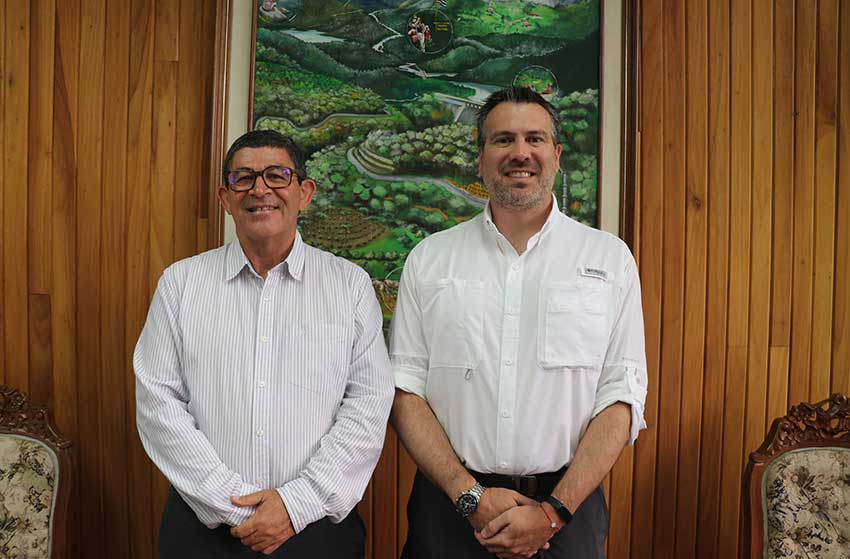
CATIE (Tropical Agricultural Research and Higher Education Center) welcomed Manfred Kopper, Head of Sustainability of the Central American Bank for Economic Integration (BCIE), to its campus for a working visit aimed at presenting CATIE’s institutional capacities and advancing opportunities for cooperation and financing to scale climate and productive solutions across the region.
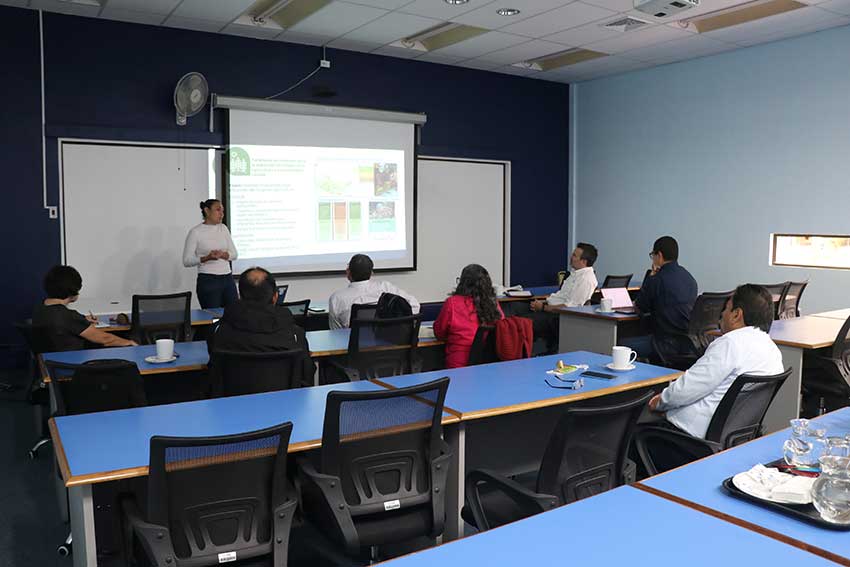
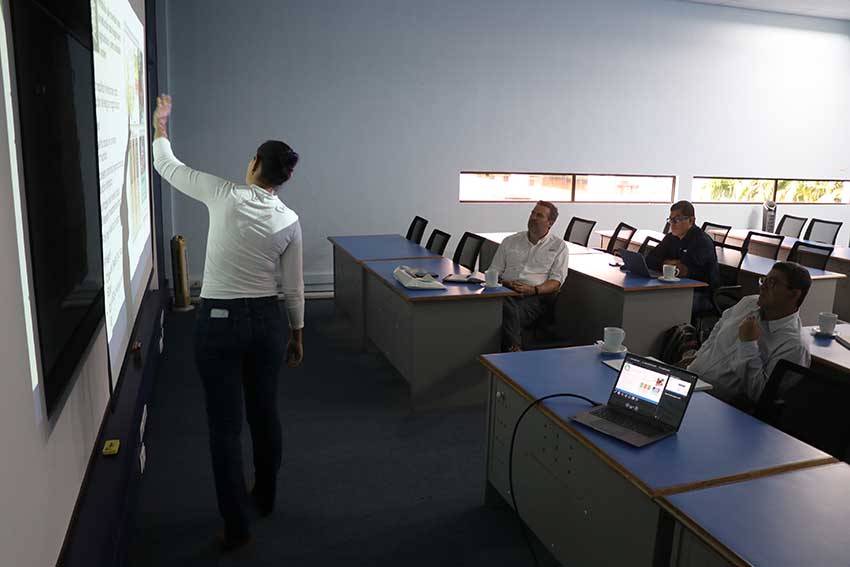
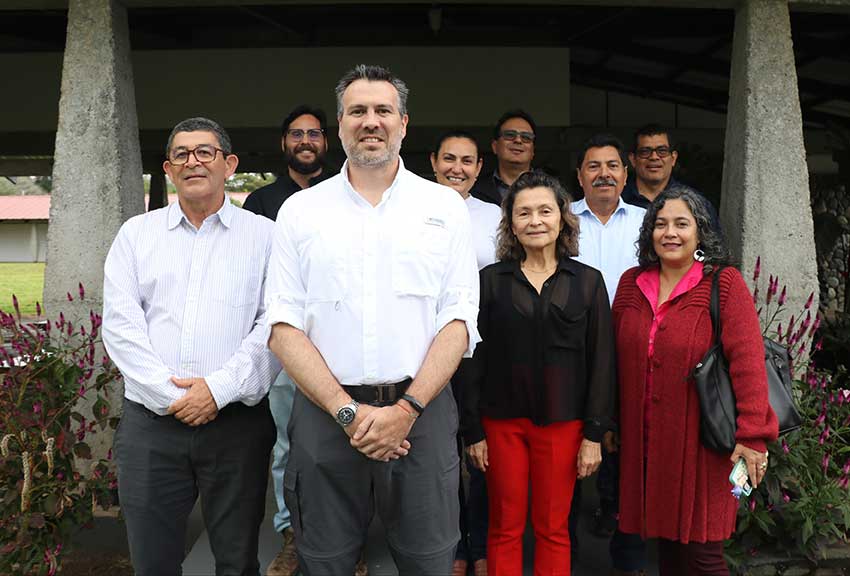
During the visit, Kopper met with CATIE’s Director General, Dr. Luis E. Pocasangre, who welcomed him and presented the institution’s vision and strategic priorities for the 2025–2026 period. Likewise, the BCIE representative held discussions with CATIE scientists and technical teams to identify joint lines of work in research, development, and technology transfer, with an emphasis on territories of the Central American Dry Corridor.
“It is an honor to welcome Mr. Manfred Kopper, Head of Sustainability at BCIE, with whom we discussed potential research and development projects for the region,” said Dr. Pocasangre. In this context, opportunities were addressed in sustainable livestock, coffee and cocoa agroforestry systems, and agricultural entrepreneurship with a sustainability focus, particularly initiatives related to climate change adaptation.
Projects and results
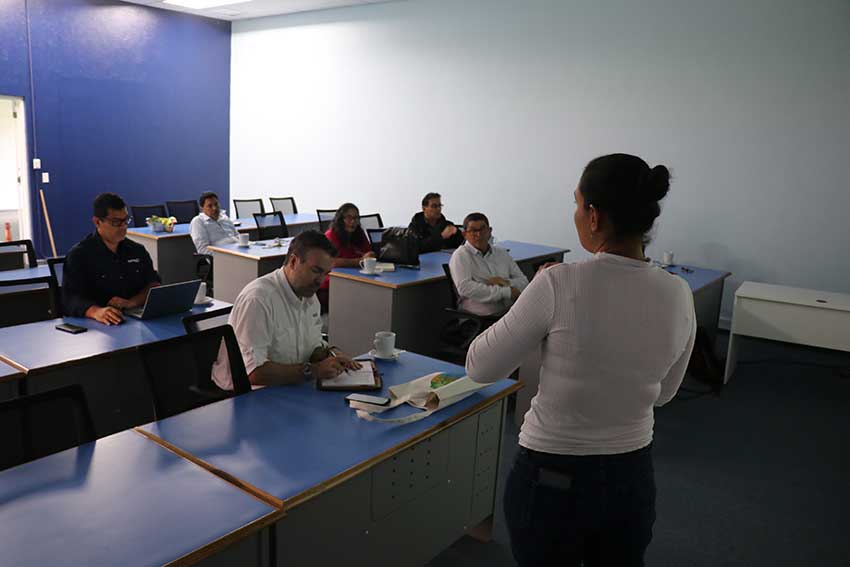
One of the central pillars of the visit was the presentation of results and lessons learned from the REFORES Project – Forest Restoration for Climate Resilience, a regional initiative implemented in Belize, Guatemala, and Honduras. Implemented by the Central American Bank for Economic Integration (BCIE), executed by the World Resources Institute (WRI) and the Tropical Agricultural Research and Higher Education Center (CATIE), and financed by the Adaptation Fund, the project showcased its main advances, intervention models, unit costs, replication pathways in priority countries, and a proposal for regional scaling.
Leida Mercado, Team Leader of the ESCALAR Project, and Mr. Ricardo Padrón, specialist in entrepreneurship and innovation, also shared detailed information on the progress and strategic approach of the ESCALAR Project – Scaling Adaptation Solutions for Resilience and Migration Reduction in the Central American Dry Corridor.
The visit also included a tour of CATIE’s Livestock Module, where progress of the Regional Livestock Program was presented, and a high-level closing meeting with the Director General to agree on next steps, 90-day milestones, and conditions to move forward with strategic partnerships and sponsorships.
Together with CATIE’s Director General, the possibility of supporting the professional training of faculty from El Salvador’s National School of Agriculture (ENA) was also discussed, so that they may pursue master’s and doctoral programs at CATIE and thereby strengthen ENA’s teaching staff.
With this meeting, CATIE and BCIE reaffirm their interest in strengthening a joint agenda that combines applied science, innovation, financing, and technology transfer to accelerate climate resilience and sustainable development in Central America.
More information:
Luis Pocasangre Enamorado
Director General, CATIE
dgcatie@catie.ac.cr
Written by::
Esteban Rodríguez Zamora
Communicator
Information Technology and Communication
CATIE
esteban.rodriguez@catie.ac.cr