Agricultura tropical sostenible: actores regionales avanzan en la construcción de una ruta crítica para México y las Américas

- El evento posiciona una agenda regional para transformar la agricultura tropical mediante innovación y cooperación.
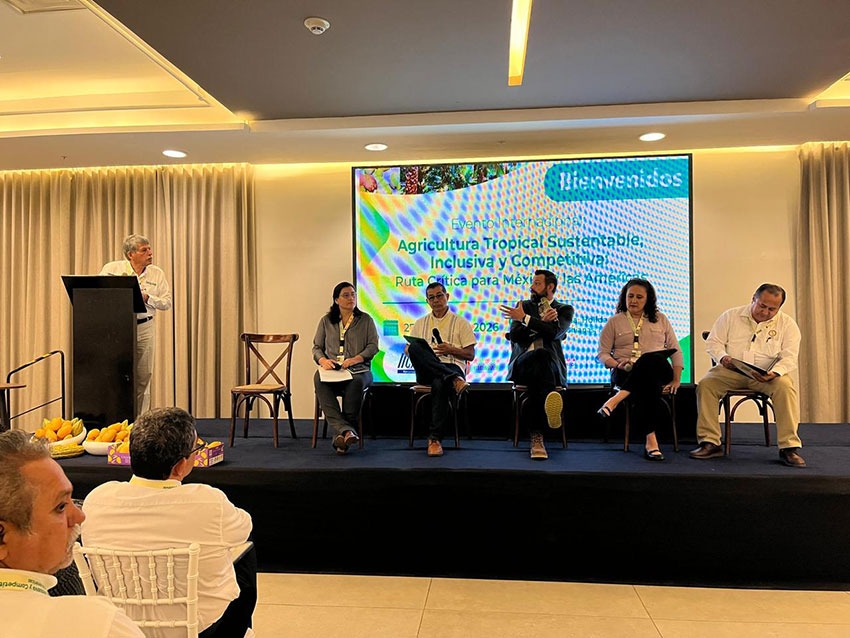
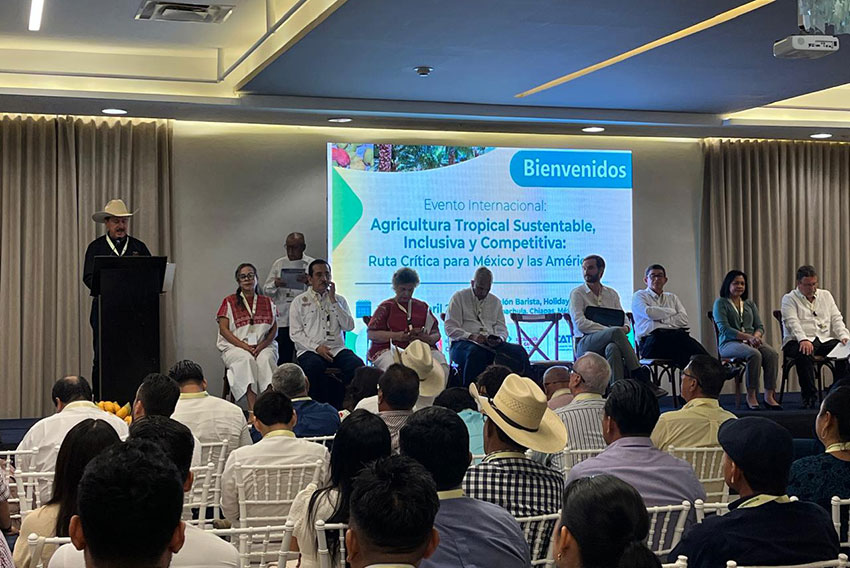
El evento internacional, desarrollado en Tapachula, Chiapas, reúne a especialistas, autoridades y actores del sector agroalimentario para impulsar soluciones sostenibles, inclusivas y competitivas desde la ciencia, la innovación y la cooperación regional.
En el marco de la cooperación entre el CATIE (Centro Agronómico Tropical de Investigación y Enseñanza) y el Instituto Interamericano de Cooperación para la Agricultura (IICA), con el apoyo de la Secretaría de Campo de Chiapas, se desarrolla en Tapachula, Chiapas, México, el Evento Internacional “Agricultura Tropical Sustentable, Inclusiva y Competitiva: Ruta Crítica para México y las Américas”, un espacio estratégico orientado a fortalecer la transformación del sector agroalimentario en la región.
Durante tres días, el encuentro reúne a representantes de gobiernos, organismos internacionales, sector privado, academia y productores, quienes participan en conferencias, paneles de alto nivel, espacios de diálogo técnico y visitas de campo, con el objetivo de construir de manera conjunta una hoja de ruta para el desarrollo agrícola sostenible en el período 2026–2030.
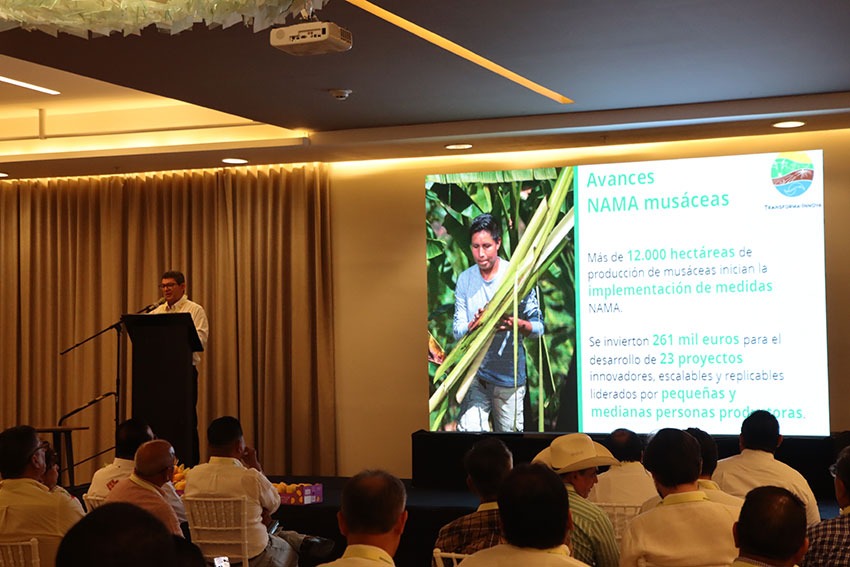
El acto inaugural reunió a autoridades y líderes del sector, entre ellos el Sr. Marco Antonio Barba Arrocha, secretario del Campo de Chiapas; el Dr. Muhammad Ibrahim, director general del IICA; el Dr. Luis Pocasangre, director general del CATIE; la Sra. Beatriz Paredes, embajadora de buena voluntad del IICA, así como representantes de SEDARPA y SEDAGRO de los estados de Morelos y Veracruz, y Diego Montenegro, representante del IICA en México.
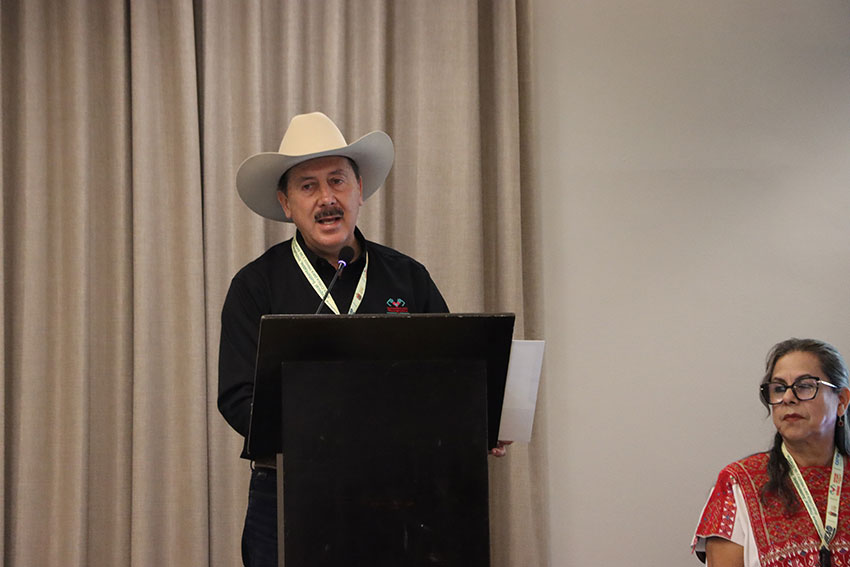
En este contexto, el Secretario Arrocha destacó el potencial productivo del territorio y la visión inclusiva que impulsa el estado:
“Tapachula es una tierra con gran vocación agrícola, con alta fertilidad y enormes oportunidades para producir alimentos de calidad y competir a nivel nacional e internacional. Contamos con importantes productores de banano y mango, pero el enfoque es claro: trabajar de la mano con pequeños, medianos y grandes productores. Estamos apostando por una cadena productiva inclusiva que permita que las nuevas generaciones de agricultores, ganaderos y campesinos tengan una vida digna”.
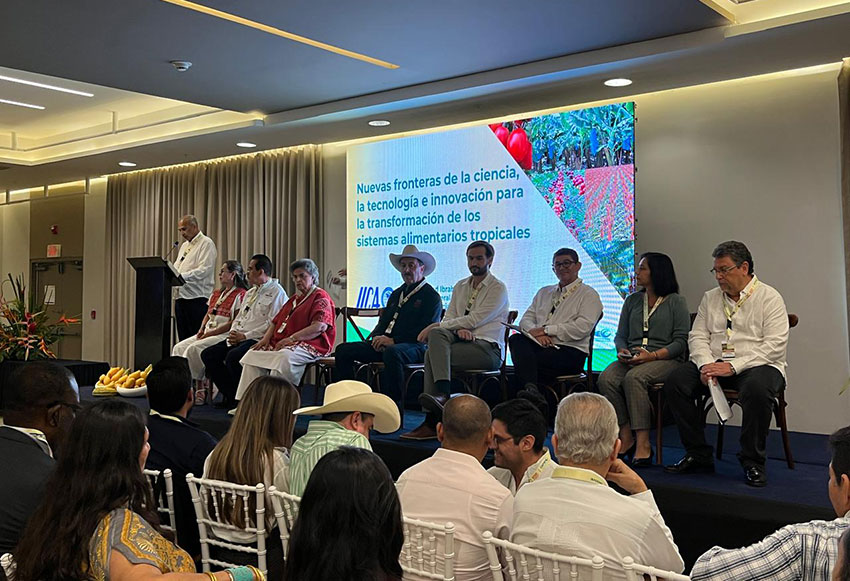
Por su parte, el Dr. Ibrahim destacó que este evento forma parte de un proceso más amplio de articulación regional:
“Este evento no se encuentra aislado; responde a la consolidación de una plataforma hemisférica de agricultura tropical. Nuestra misión técnica es clara: debemos transitar de los modelos tradicionales hacia un modelo de intensificación sostenible, y Chiapas cuenta con los recursos para convertirse en un laboratorio que demuestre cómo avanzar hacia soluciones replicables en toda la región”.
Asimismo, subrayó el carácter operativo de esta agenda conjunta:
“Junto al CATIE, como brazo técnico, no buscamos solo conceptos, sino un portafolio de iniciativas y mecanismos de seguimiento que den vida a la Declaración de Chiapas 2026. Nuestra meta es contar con una hoja de ruta crítica 2026–2030 que oriente la cooperación técnica, la innovación y las políticas públicas en el trópico de las Américas”.
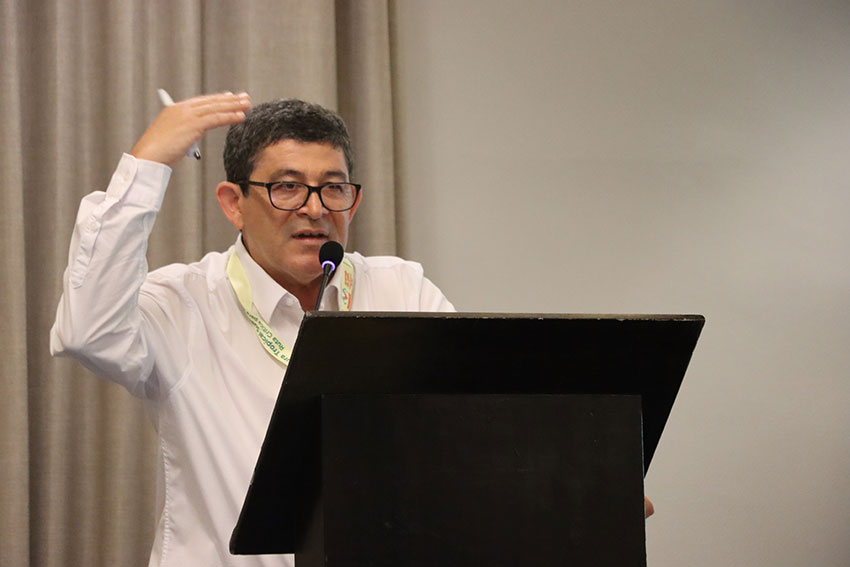
El Dr. Pocasangre enfatizó el rol del CATIE en la generación de soluciones aplicadas desde la ciencia:
“Desde el CATIE nos enfocamos en la educación y la investigación aplicada como base para transformar los sistemas agroproductivos. Promovemos acciones concretas en áreas como ganadería sostenible, cuencas hidrográficas, café, cacao, plátano y banano, con el objetivo de llevar soluciones desde la ciencia hasta el territorio”.
Además, destacó el valor estratégico de esta nueva etapa de cooperación con el IICA:
“Esta alianza fortalece nuestra capacidad de articular conocimiento, innovación y acción en campo. Trabajamos para que los resultados lleguen a quienes más lo necesitan, especialmente a las personas productoras, a quienes reconocemos como el eje central de estos procesos”.
Como parte de la participación del CATIE en el evento, destacan también las intervenciones como panelistas de Laura Benegas, directora de Investigación para el Desarrollo Verde Inclusivo y especialista en cuencas, y Claudia Sepúlveda, líder de la Unidad de Ganadería y Manejo del Ambiente, quienes comparten las experiencias del CATIE en estas áreas estratégicas para la sostenibilidad de los sistemas productivos en la región.
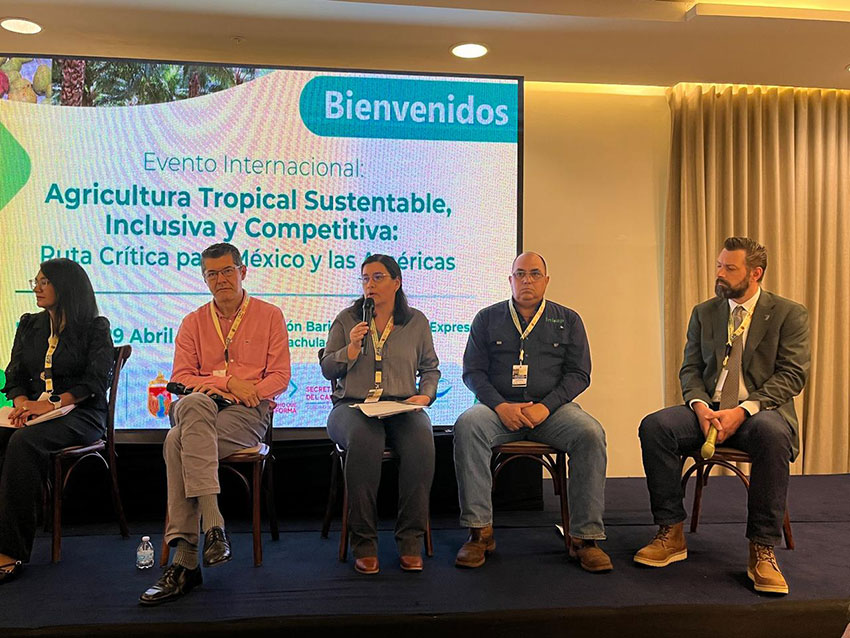
El evento aborda temas clave como innovación tecnológica, financiamiento para el desarrollo sostenible, resiliencia climática, inclusión productiva y gestión de recursos naturales, reflejando la necesidad de avanzar hacia sistemas agroalimentarios más eficientes, equitativos y adaptados a los desafíos actuales.
El enfoque de desarrollo basado en cuencas hidrográficas fue otro de los elementos centrales del diálogo, destacando su importancia para la gestión integral del agua, la conservación de los suelos y la resiliencia de los sistemas productivos frente al cambio climático. Este enfoque, el cual ya es adoptado por el estado de Chiapas, permite articular y priorizar acciones a nivel territorial, integrando producción, conservación y bienestar de las comunidades rurales.
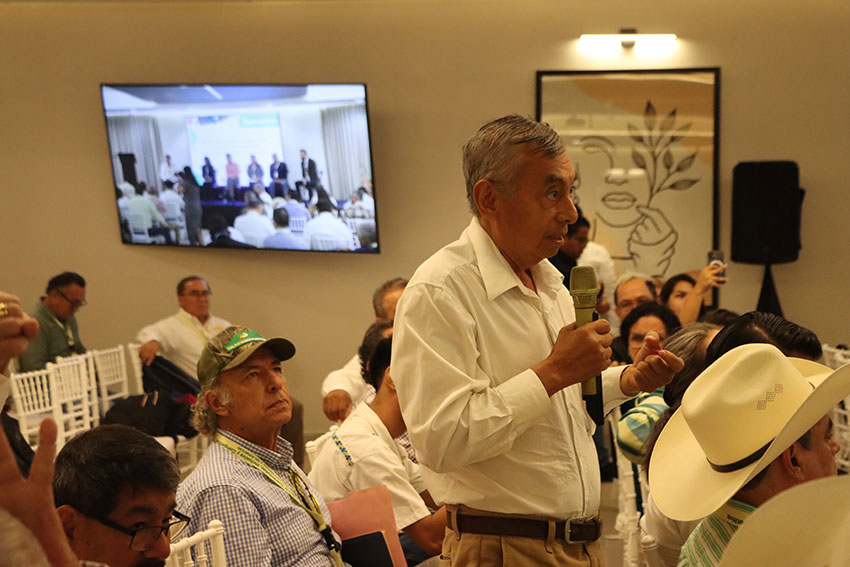
Asimismo, durante el evento se destacó la amenaza de la raza tropical 4 de Fusarium fungus (TR4), enfermedad que afecta al banano y al plátano, y que representa un riesgo significativo para la producción en la región. Productores manifestaron su interés en fortalecer medidas de prevención y bioseguridad, considerando que el banano es uno de los principales rubros económicos del Soconusco, en el estado de Chiapas.
Las visitas técnicas en campo complementan el componente académico del evento, permitiendo conocer experiencias concretas y fortalecer el vínculo entre ciencia, práctica y toma de decisiones. Entre ellas destaca una gira liderada por el CATIE, enfocada en la experiencia de la familia Gómez De Lucio en ganadería sostenible, con una visita a sistemas silvopastoriles en el Rancho La Ceiba de Ganadería El Zapoteco, en el municipio de Villa Comaltitlán, en Chiapas.
De esta manera, la cooperación entre el CATIE y el IICA se reafirma como un catalizador clave para el desarrollo de soluciones integrales que contribuyan a mejorar la resiliencia climática, la seguridad alimentaria y el bienestar de las comunidades rurales en las Américas.
More information:
Office of the Director General
CATIE
dgcatie@catie.ac.cr
Written by::
Karla Salazar Leiva
Communicator
Communications and Marketing Office
CATIE
karla.salazar@catie.ac.cr
Tag:agricultura tropical, CATIE, IICA, Mexico