Declaratoria de Chiapas traza una alianza regional para impulsar la agricultura tropical regenerativa y resiliente en México y las Américas
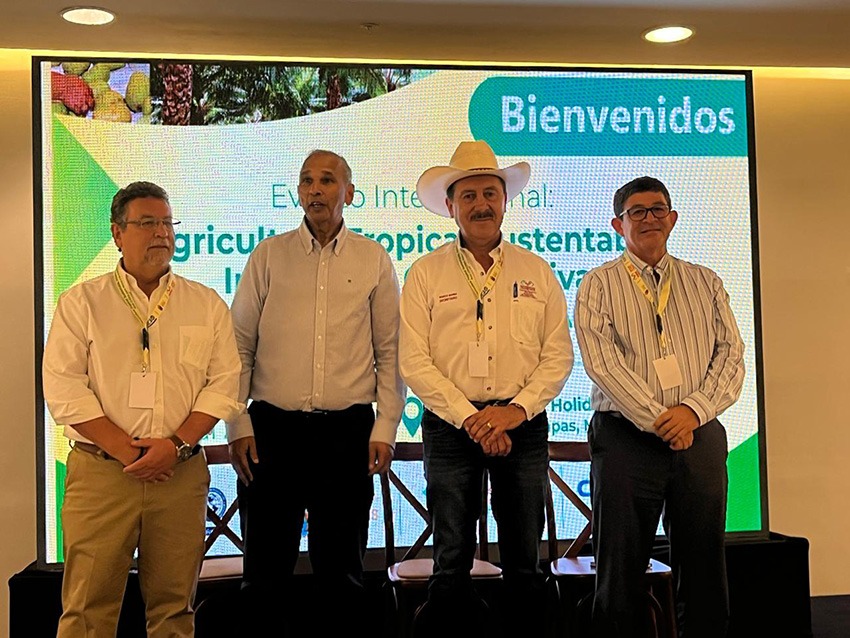
- En Tapachula, instituciones públicas, organismos internacionales, centros de investigación y actores del sector coincidieron en la necesidad de fortalecer una agenda compartida para la agricultura tropical, con énfasis en resiliencia climática, innovación, financiamiento, bioseguridad e inclusión.
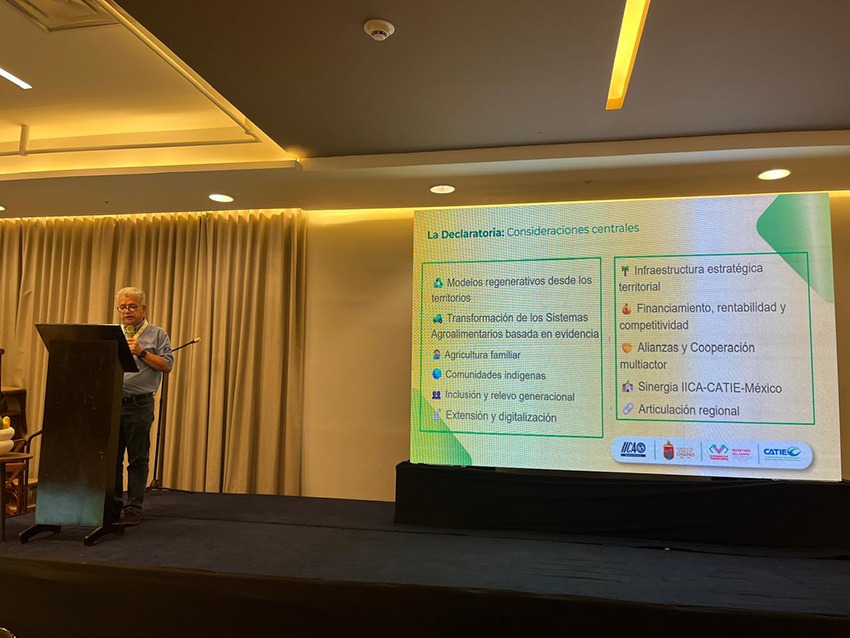
El Evento Internacional de Alto Nivel “Agricultura Tropical Sustentable, Inclusiva y Competitiva: Ruta Crítica para México y las Américas” concluyó el 29 de abril, en Tapachula, México, con la presentación de la Declaratoria de Chiapas, un instrumento declarativo que plantea una agenda estratégica de agricultura tropical orientada al desarrollo sostenible, la resiliencia climática, la innovación productiva y la cooperación hemisférica.
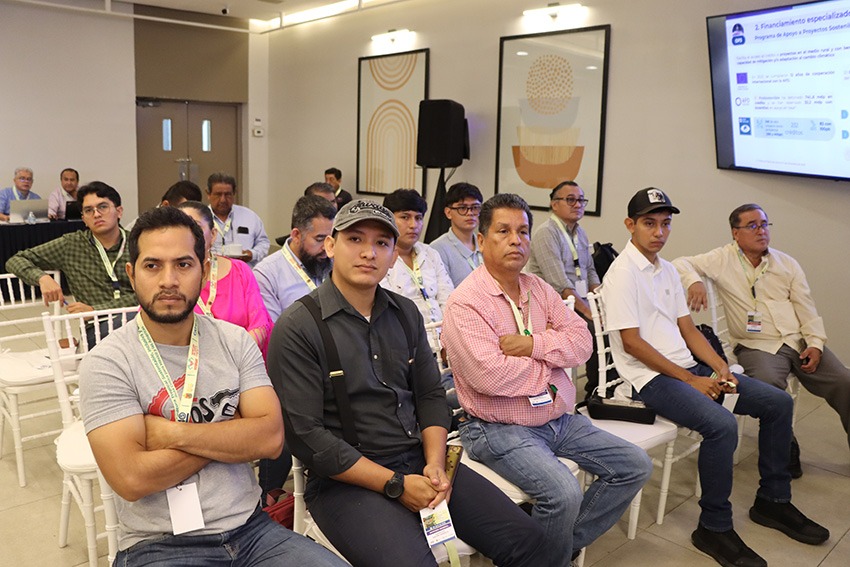
Convocado por el Instituto Interamericano de Cooperación para la Agricultura (IICA), el CATIE (Centro Agronómico Tropical de Investigación y Enseñanza), el Gobierno del Estado de Chiapas y la Secretaría del Campo del Estado de Chiapas, el encuentro reunió durante tres días a autoridades, especialistas, productores y organismos internacionales para dialogar sobre los principales desafíos y oportunidades de la agricultura tropical en México y las Américas.
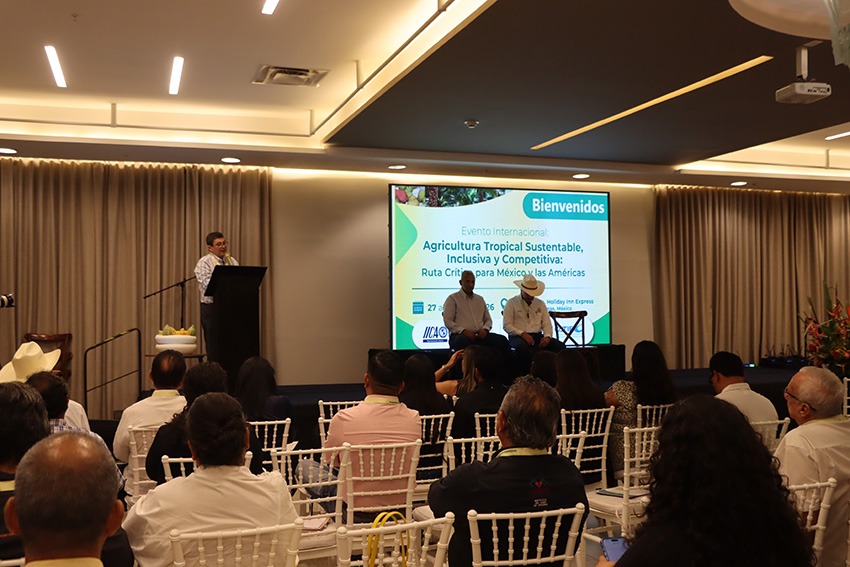
Una alianza regional desde Chiapas para la agricultura tropical
La Declaratoria de Chiapas plantea una alianza estratégica entre México, América Latina y el Caribe para fortalecer la resiliencia agroalimentaria, en un contexto marcado por la vulnerabilidad climática, la degradación de recursos naturales y las presiones geopolíticas, económicas y sociales sobre los sistemas agroalimentarios tropicales. Su propósito es constituirse en un marco abierto de coordinación y cooperación, sin generar obligaciones jurídicas ni compromisos financieros vinculantes para las instituciones participantes.
En este marco, el secretario del Campo del Estado de Chiapas, el Sr. Marco Antonio Barba Arrocha, señaló que el encuentro dejó “dos días de intenso trabajo, de propuestas, pero sobre todo de buscar una ruta de cómo seguir produciendo alimentos de forma sustentable, de forma responsable, con equilibrio con nuestro medio ambiente”. Añadió que el estado trabaja en alinear sus programas con proyectos que fortalezcan la vinculación, la capacitación y el financiamiento, a fin de consolidar un campo más productivo y con uso responsable del agua, del suelo y de los recursos naturales.
Durante las jornadas de trabajo, los participantes coincidieron en que la transformación de la agricultura tropical requiere articular ciencia, territorio, financiamiento e innovación, así como fortalecer la cooperación entre gobiernos, organismos internacionales, centros de investigación, sector privado y productores.
En este contexto, el Dr. Luis Pocasangre, director general del CATIE, destacó el rol de la institución en el fortalecimiento de esta plataforma regional. “CATIE cuenta con capacidades para aportar a esta plataforma en temas como manejo de cuencas, gestión del riesgo climático, formación y desarrollo de investigación aplicada en el territorio. Este esfuerzo, que inició con cinco instituciones, ha logrado convocar a un número creciente de actores, lo que demuestra que el trabajo articulado ha valido la pena y que la iniciativa avanza por un buen camino”.
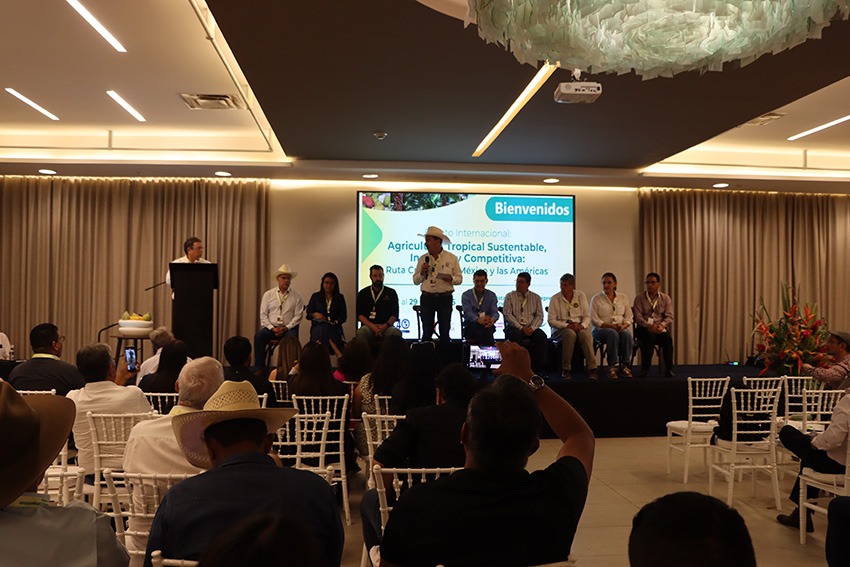
Prioridades compartidas para transformar el trópico
Como parte del proceso de construcción de acuerdos, las conferencias y paneles abordaron temas como productividad sostenible, resiliencia climática, agua, salud del suelo, financiamiento, bioseguridad e inclusión. Entre los ejes destacados estuvieron la necesidad de escalar tecnologías efectivas al territorio, fortalecer mecanismos de extensión y digitalización, impulsar modelos regenerativos y mejorar la articulación institucional para traducir la innovación en proyectos productivos con impacto.
En esa línea, el director general del IICA, el Dr. Muhammad Ibrahim, subrayó que el Instituto está comprometido con fortalecer capacidades y sistemas de extensión para que los productores accedan a asesoramiento y mejores prácticas. Además, sostuvo que “en el IICA vemos en las zonas tropicales un eje estratégico para responder a las demandas globales de alimentación”.
La gestión del agua y la salud del suelo fueron señaladas como prioridades para una cartera de proyectos financiables hacia 2030, mientras que los debates sobre financiamiento, cooperación interestatal y sanidad agropecuaria subrayaron la importancia de construir respuestas coordinadas frente a amenazas comunes y de ampliar las oportunidades para pequeños y medianos productores del trópico.
La declaratoria también prioriza temas como restauración de suelos, manejo de cuencas, eficiencia hídrica, mejoramiento genético, bioeconomía, trazabilidad, extensión y cooperación regional, con una visión orientada a fortalecer la sostenibilidad, la competitividad y la articulación multiactor.
Una ruta crítica con visión de mediano plazo
A modo de hoja de ruta preliminar, el planteamiento contempla una fase de corto plazo en 2026 para la instalación de mecanismos de gobernanza y coordinación interinstitucional; una fase de mediano plazo en 2027 y 2028 para diagnósticos territoriales, diseño de pilotos, implementación temprana y activación de instrumentos de extensión, trazabilidad, financiamiento e incentivos; y una fase de largo plazo en 2029 y 2030 enfocada en consolidación, evaluación de impacto y posible escalamiento regional desde los territorios.
El Dr. Ibrahim añadió que el reto ahora es pasar del discurso a las acciones concretas, mediante programas y proyectos que generen resultados en los territorios. También advirtió que “hoy los sistemas alimentarios son más complejos que antes: al riesgo climático se suman los altos costos de fertilizantes e insumos, lo que representa un desafío adicional para los productores”.
Próximos pasos para una agenda de cooperación
Entre los siguientes pasos se prevé la socialización de la Declaratoria de Chiapas, la presentación de la ruta crítica preliminar y la convocatoria a la adhesión voluntaria de instituciones públicas, universidades, centros de investigación y aliados del sector social y privado presentes en las zonas tropicales, con el objetivo de conformar una red técnica y política que impulse acciones coordinadas en los territorios.
More information:
Office of the Director General
CATIE
dgcatie@catie.ac.cr
Written by::
Comunicación IICA, México
carolina.salmeron@iica.int
Communication and Marketing Office, CATIE
karla.salazar@catie.ac.cr