CATIE begins its 2026–2027 academic cycle with students from 15 countries at its Graduate School
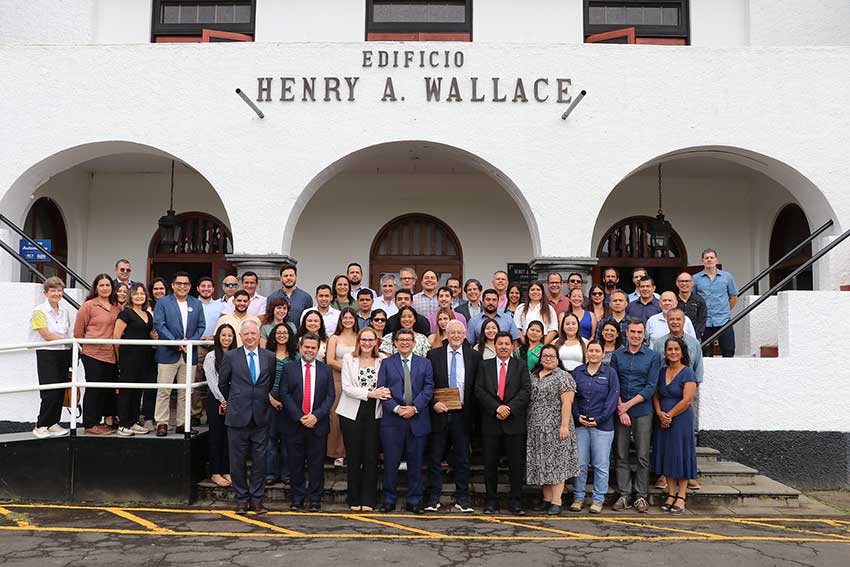
- A total of 42 students from Latin America and the Caribbean began their graduate training at CATIE this week.
CATIE (Tropical Agricultural Research and Higher Education Center) officially began the 2026–2027 academic cycle of its Graduate School with the incorporation of 42 students from 15 countries, who are starting a new stage of professional training aimed at addressing the challenges of sustainable development in the region.
This cohort is composed of 33 students in the in-person modality and 9 in the bimodal modality, with the participation of 20 women and 22 men, reflecting the diversity and international character that defines the institution.
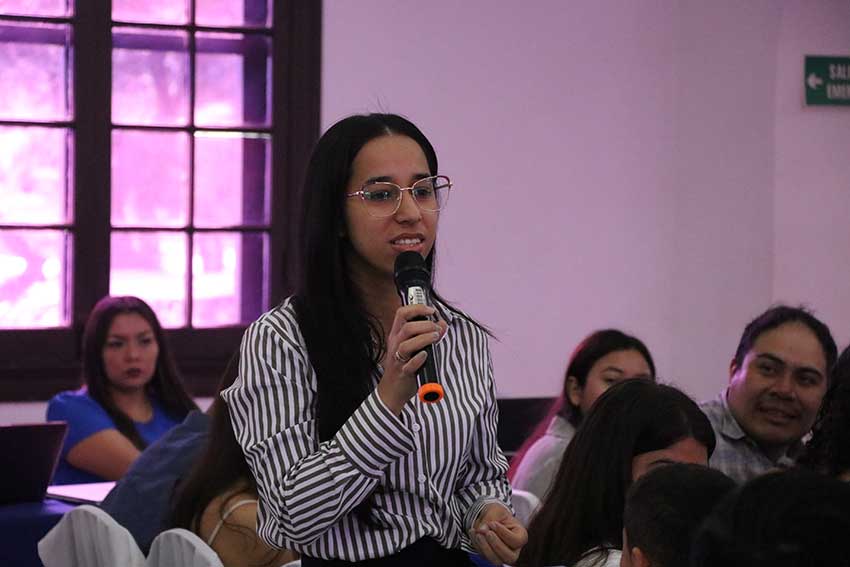
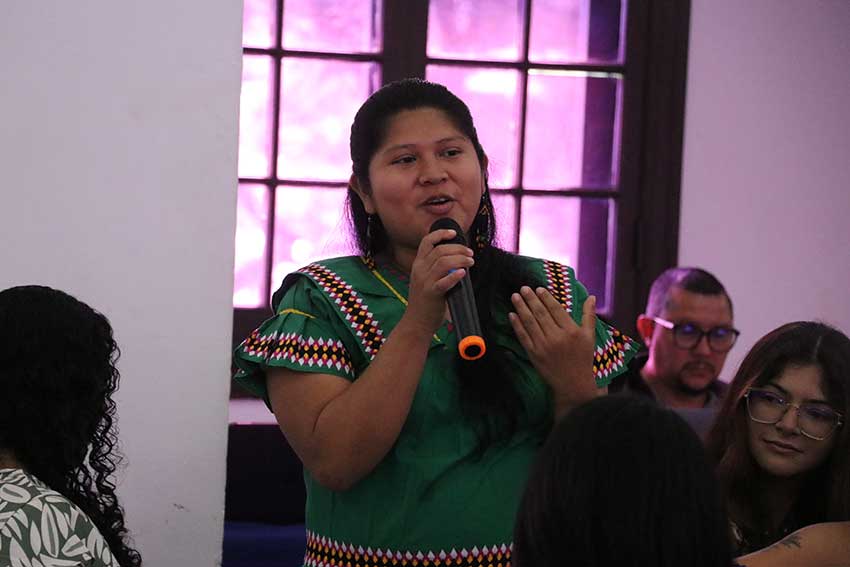
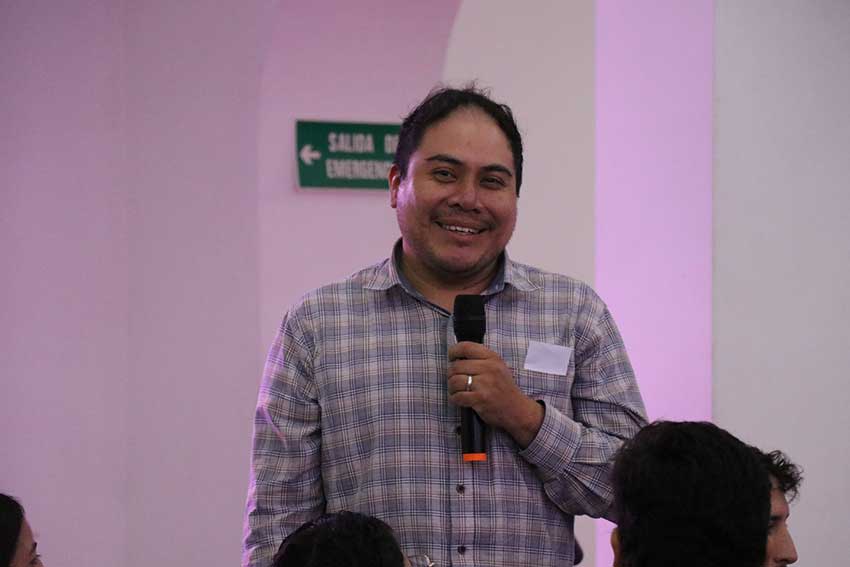
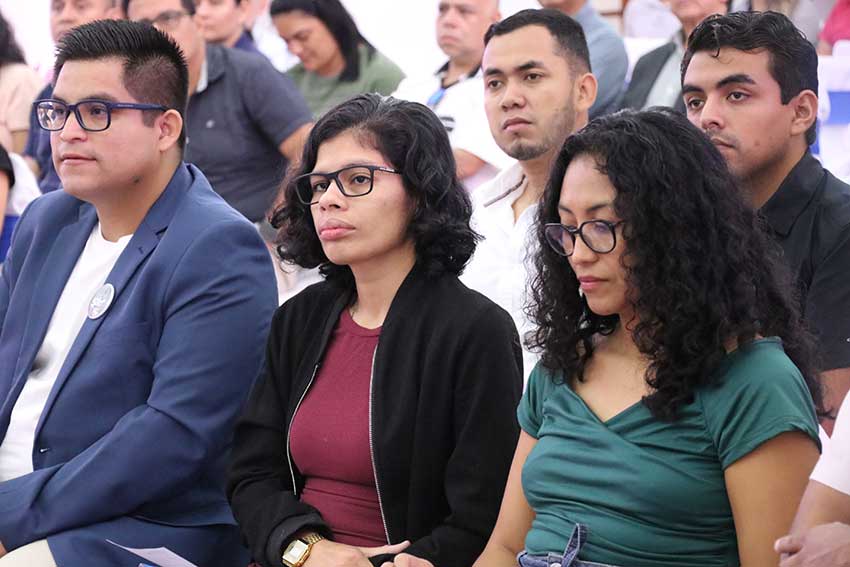
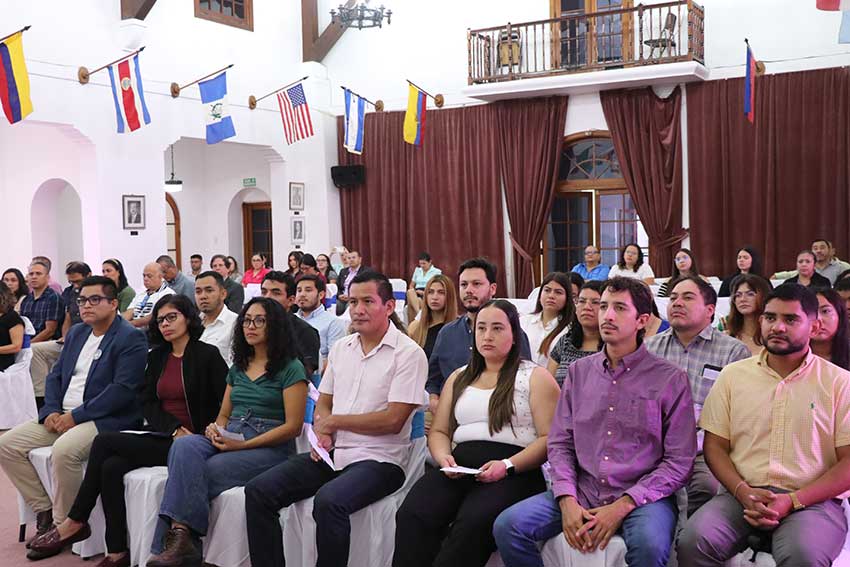
The new student community is joining three master’s degree programs: Agroforestry and Sustainable Agriculture, with 17 students; Tropical Forests and Biodiversity Management and Conservation, with 16 students; and Sustainable Tourism, offered in a bimodal modality, with 9 students.
The cohort brings together students from Bolivia, Brazil, Colombia, Costa Rica, Cuba, Ecuador, Guatemala, Haiti, Honduras, Mexico, Nicaragua, Panama, Peru, Puerto Rico, and the Dominican Republic, forming a group with diverse academic, professional, and cultural backgrounds.
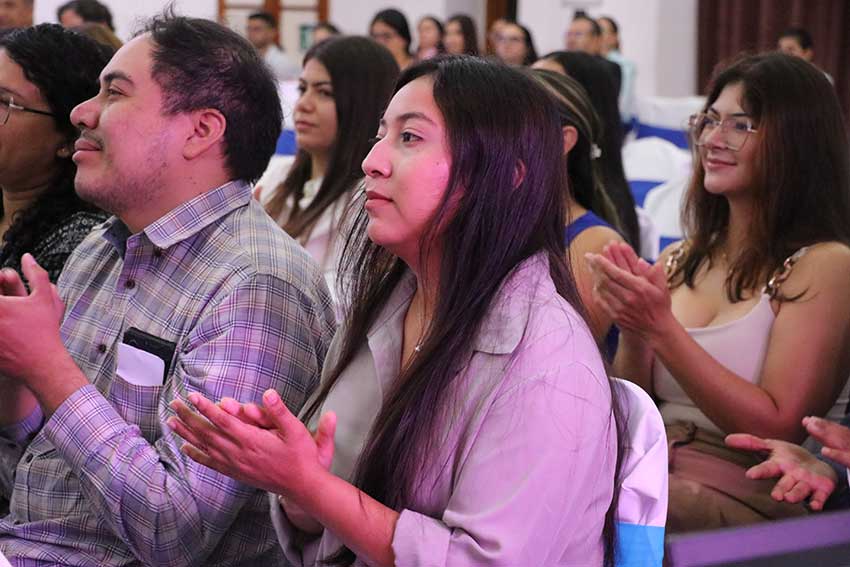
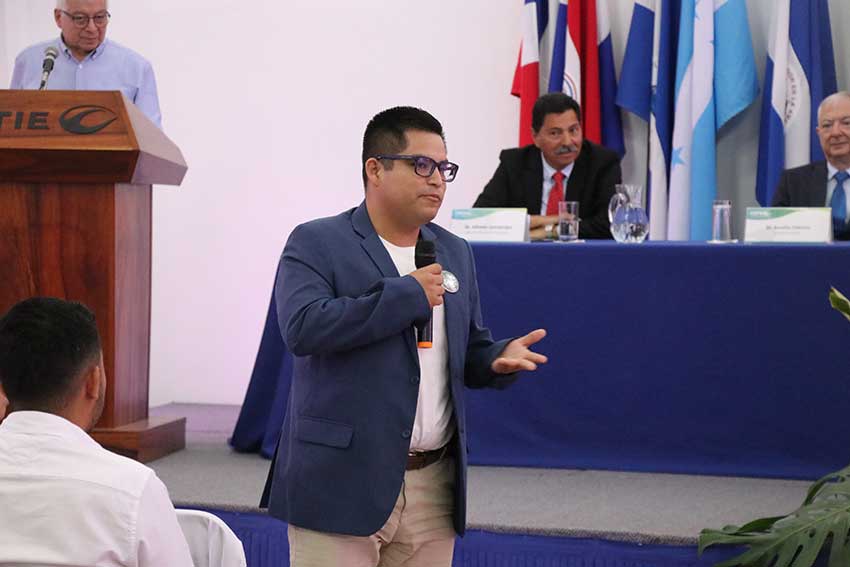
For many of them, studying at this institution represents a unique opportunity for training, cultural exchange, and professional growth in an international academic environment.
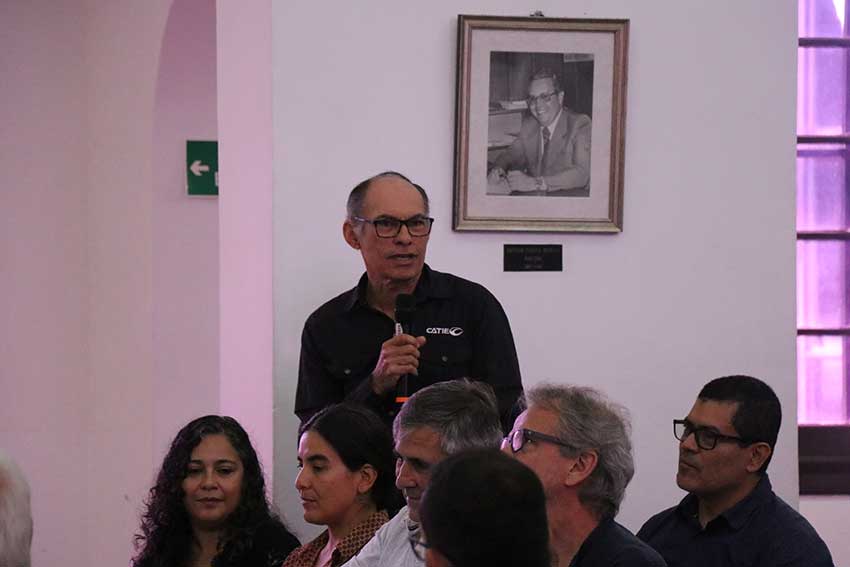
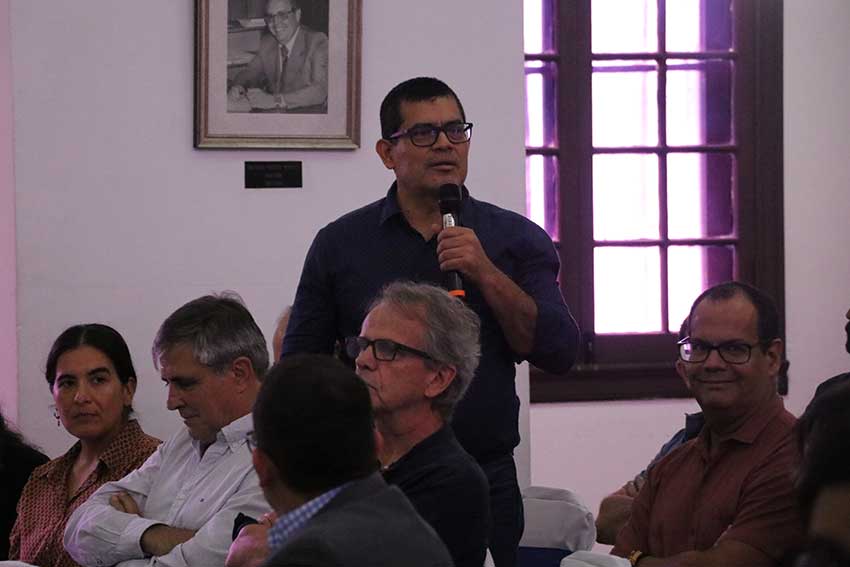
“Starting this new stage at the Tropical Agricultural Research and Higher Education Center (CATIE) represents a dream come true for me. I come from the Peruvian Amazon, a region of enormous natural wealth but also major challenges in terms of conservation and sustainable resource management. Beginning the Master’s in Tropical Forests and Biodiversity Management and Conservation represents an opportunity to study at a center of excellence in research and education, strengthening my capacities to contribute to the protection of tropical forests,” shared Wheeler Cruz from Peru.
Meanwhile, Cinthya Suazo from Honduras, a student in the Master’s in Agroforestry and Sustainable Agriculture, highlighted the institution’s academic prestige and international reach.
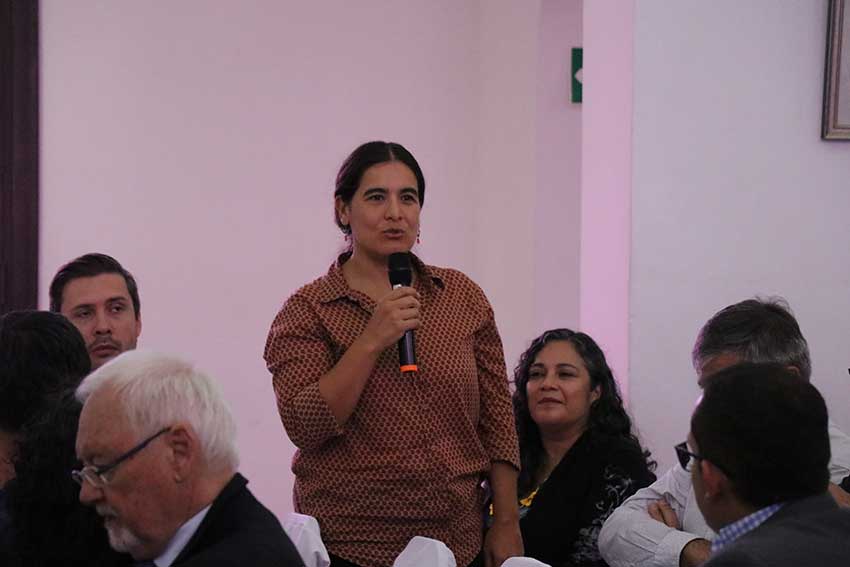
“What motivated me to choose CATIE was its leadership and action in agricultural research in Latin America. CATIE has positioned itself as a benchmark in generating scientific and practical knowledge focused on sustainable production, achieving global connections with various organizations and global platforms in environmental and agricultural sciences. In addition, it has a strong faculty composed of professionals and scientists from whom we are acquiring knowledge and tools to contribute to our countries. In summary, CATIE is a place where young professionals like me aspire to receive high-level education in order to generate impact in our countries.”
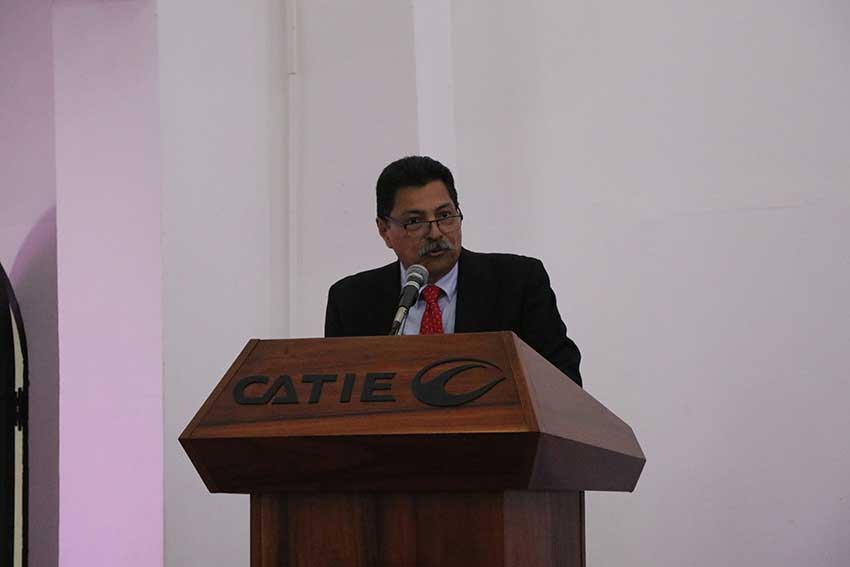
During the inaugural ceremony, the Dean of the Graduate School, Dr. Alfredo Zamarripa, congratulated the new students for choosing CATIE to continue their professional education and encouraged them to make the most of this academic opportunity. “Make the sacrifice of leaving your country, your family, and your loved ones worthwhile. Dedicate yourselves to study with passion, discipline, and perseverance. Be worthy students of CATIE,” he expressed.
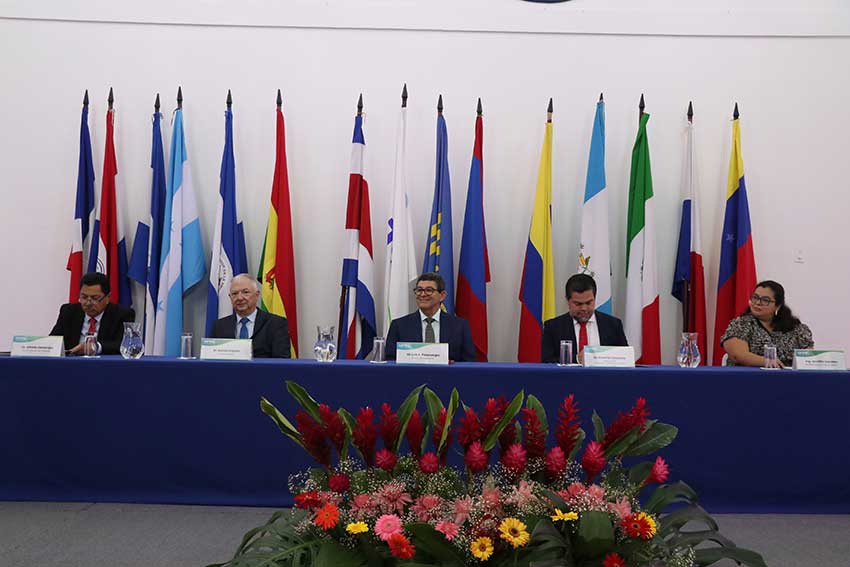
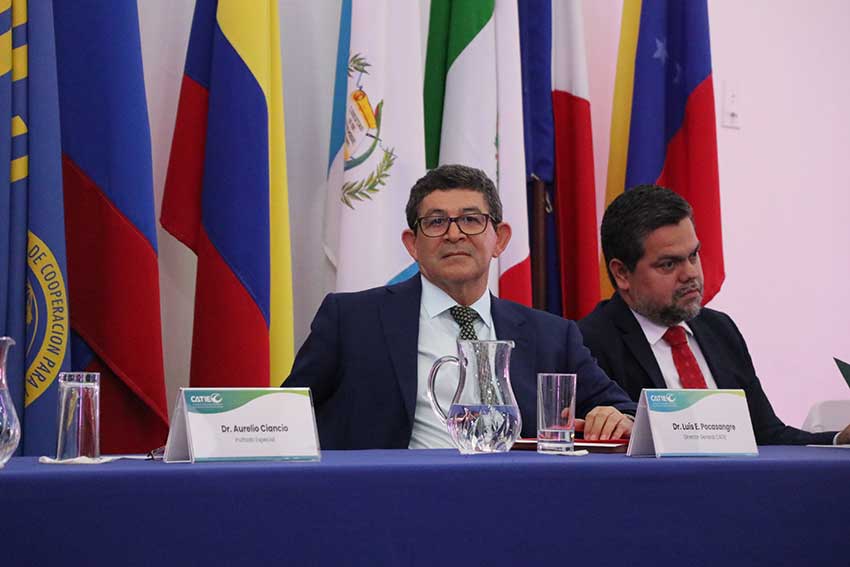
At the end of the ceremony, CATIE Director General Dr. Luis Pocasangre officially inaugurated the 2026–2027 academic cycle, highlighting the institution’s commitment to training professionals capable of promoting sustainable solutions for agriculture, natural resources, and territorial development. During his remarks, he welcomed the students and reaffirmed the academic excellence that characterizes CATIE through its distinguished faculty of researchers and professors.
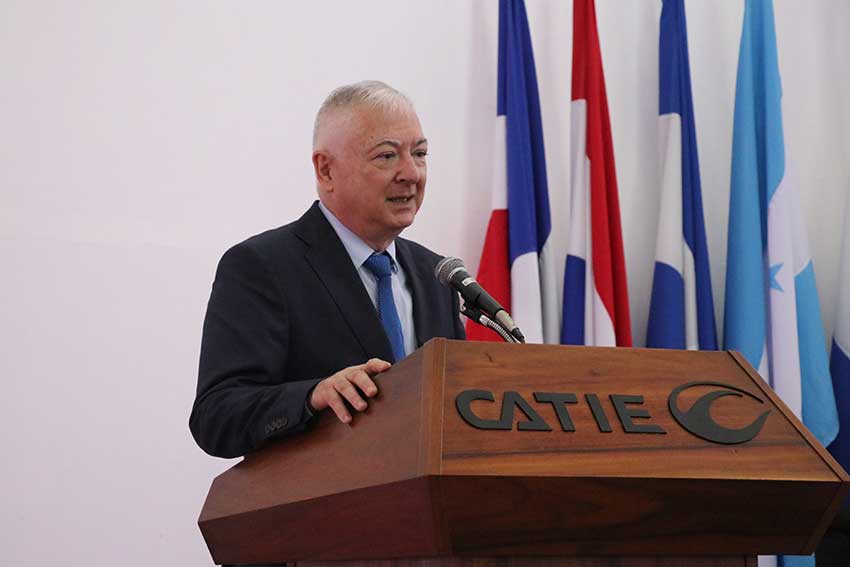
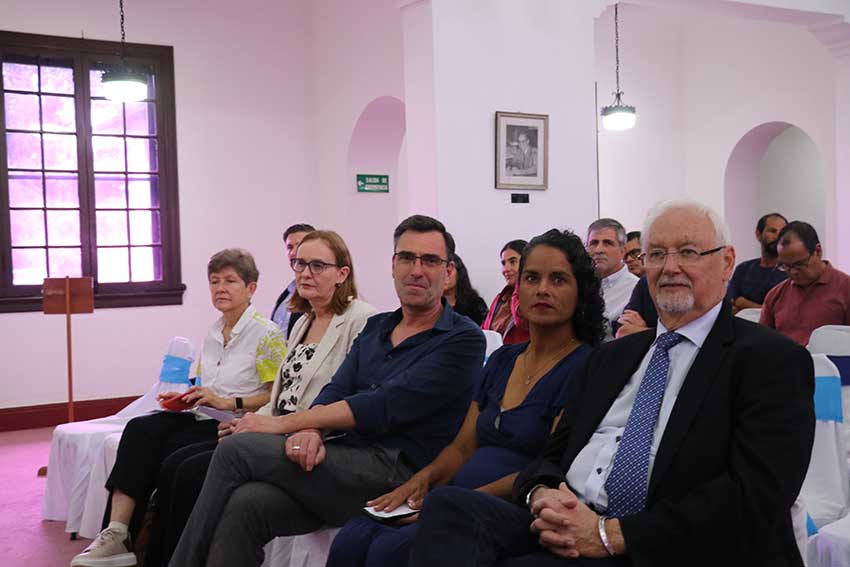
The inauguration ceremony took place at the Wallace Building on the CATIE campus in Turrialba, with the participation of Dr. Roberto Camacho, Executive Director of the National Institute for Innovation and Transfer in Agricultural Technology (INTA) and member of the CATIE Board of Directors; CATIE Director General Dr. Luis Ernesto Pocasangre; Dr. Aurelio Ciancio, Director of the National Research Council of Italy; engineer Jennifer González, representative of the Student Council; distinguished members of the Graduate School faculty; the mayor of Turrialba, Mr. Carlos Hidalgo Flores; as well as special guests.
An academic experience in a living campus
Studying at CATIE implies a learning experience that goes beyond the classroom. The campus, located in Turrialba, Costa Rica, offers a privileged learning environment surrounded by tropical forests, scientific collections, and extensive biodiversity, allowing students to develop applied research and practical learning in direct contact with territories and ecosystems.
Added to this is the multicultural environment that characterizes each cohort, where students from different countries share experiences, perspectives, and knowledge, strengthening professional networks that transcend borders.
This comprehensive approach allows students to combine theory, research, and fieldwork while addressing real challenges related to sustainability, natural resource management, sustainable agricultural production, and territorial development.
80 years training professionals for the region
CATIE’s Graduate School has nearly 80 years of experience training professionals in key areas for sustainable development, with more than 3,000 graduates from over 46 countries.
The institution maintains open admission throughout the year for its academic offerings, which include in-person master’s programs, bimodal programs, virtual master’s degrees, and doctoral programs aimed at professionals interested in strengthening their capacities to generate impact in their territories.
“Above all, I would like to highlight the faculty, composed of specialists from more than 20 countries, with extensive experience and international recognition for their valuable scientific contributions. Thanks to this academic excellence, our master’s programs are accredited by the National System of Accreditation of Higher Education (SINAES),” said Zamarripa.
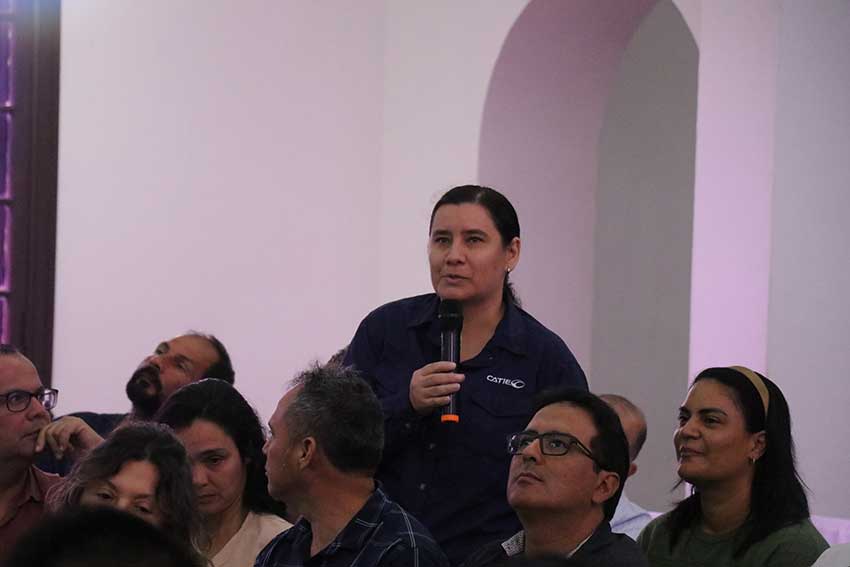
Those interested in learning more about the academic programs can visit:https://www.catie.ac.cr/oferta-academica/ or request personalized assistance at: https://wa.me/50625582115
More information:
Alfredo Zamarripa
Dean
CATIE Graduate School
alfredo.zamarripa@catie.ac.cr
Written by::
Karla Madrigal
Communicator
Communications and Marketing Office
Karla.madrigal@catie.ac.cr