University of Wisconsin-Madison and CATIE propose alternatives to cooperate for the benefit of food systems transformation in Latin America and the Caribbean
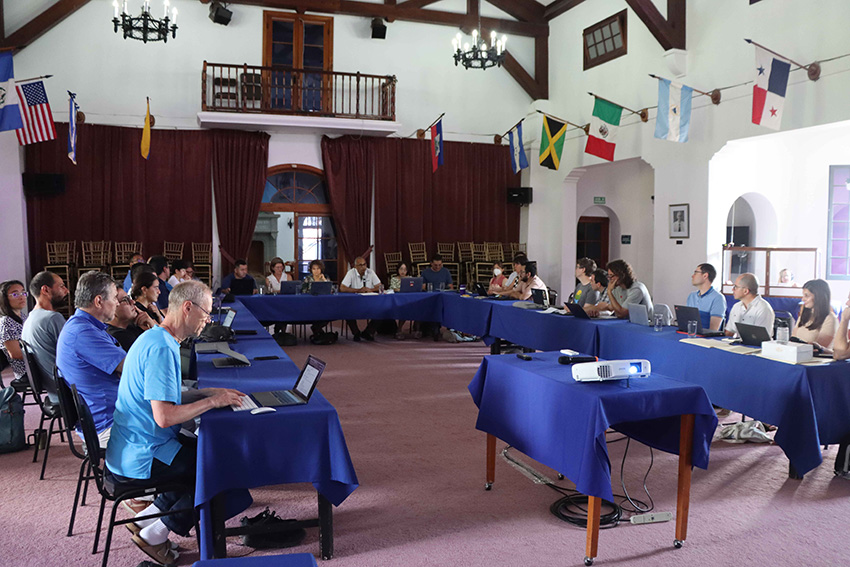
- Researchers from both institutions met in June at CATIE headquarters in Costa Rica for this purpose.
19 June 2023. The transformation of food systems implies generating a future in which all people have access to healthy diets, produced in a sustainable and resilient way, that restores nature and provide fair and equitable livelihoods. Seeking to contribute to this transformation through their research work for Inclusive Green Development, CATIE (Tropical Agricultural Research and Higher Education Center) and the College of Agricultural and Life Sciences Global Office (CALS Global) of the University of Wisconsin-Madison met on June 4 and 5 in Costa Rica.
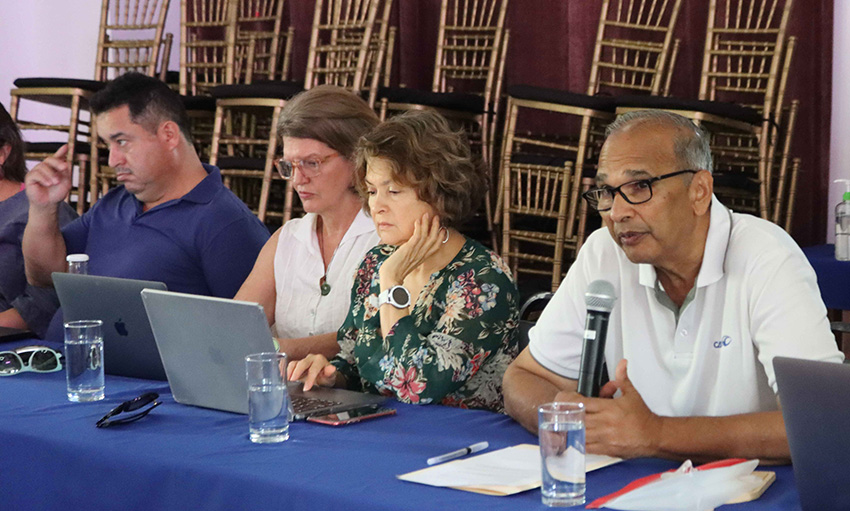
Muhammad Ibrahim, Director General of CATIE, opened the meeting by highlighting that cooperation between the Center and the University of Wisconsin-Madison has existed for more than 25 years, covering topics such as the development of sustainable agriculture and livestock, among others, and urged those present to seek to strengthen this cooperation in areas in which both universities can complement each other and conduct research to generate nature-based solutions that benefit rural communities.
In addition, Ibrahim thanked Laura Scandurra, who previously chaired CATIE's Board of Directors, for prompting the discussion with the University of Wisconsin-Madison.
The meeting was led by Leida Mercado, Director of Research for Inclusive Green Development at CATIE; and Jennifer Kushner, Director of CALS Global. The meeting is the first step in making operational the new cooperation agreement signed by the two institutions in September 2022.
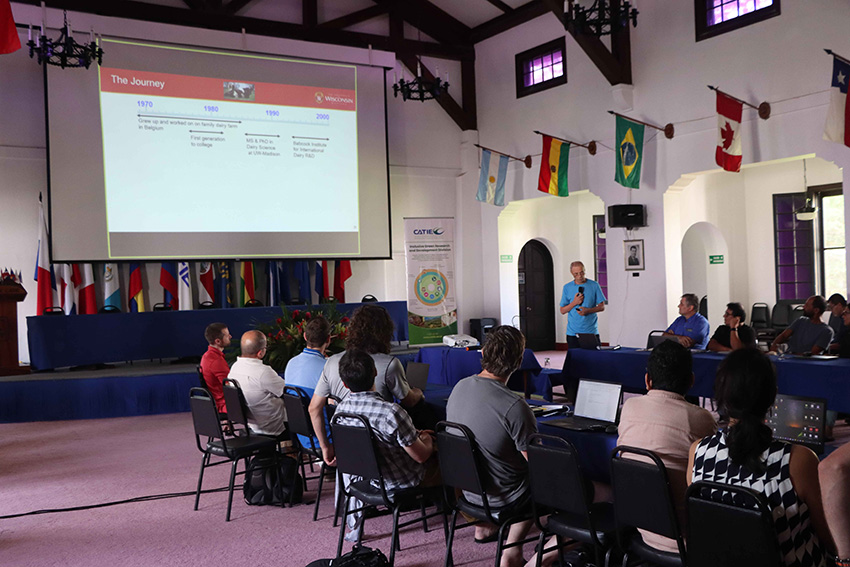
The meeting was attended by researchers from both universities, who had the opportunity to share with each other, learn more about their areas of work, identify areas of collaboration of common interest and discuss the main opportunities and challenges of cooperation between CATIE and the University of Wisconsin-Madison.
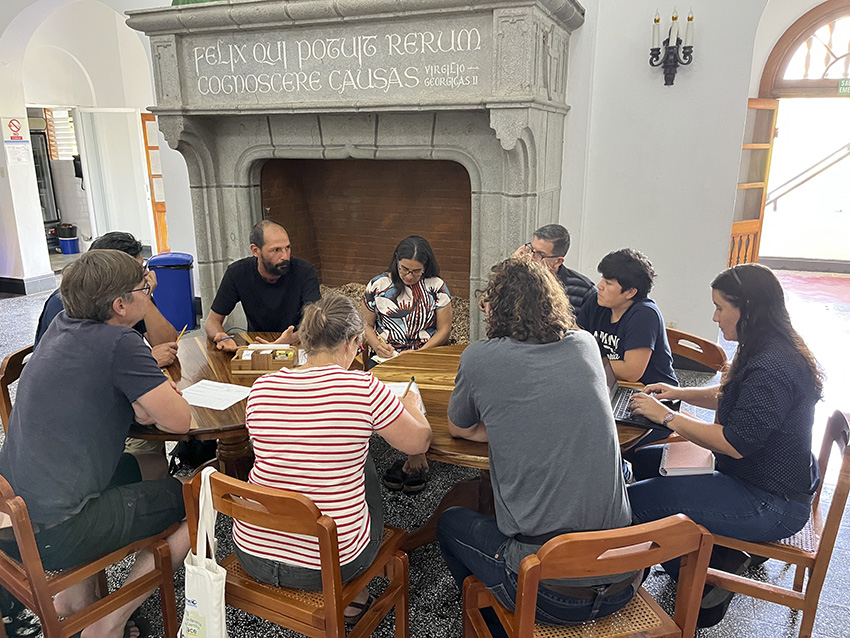
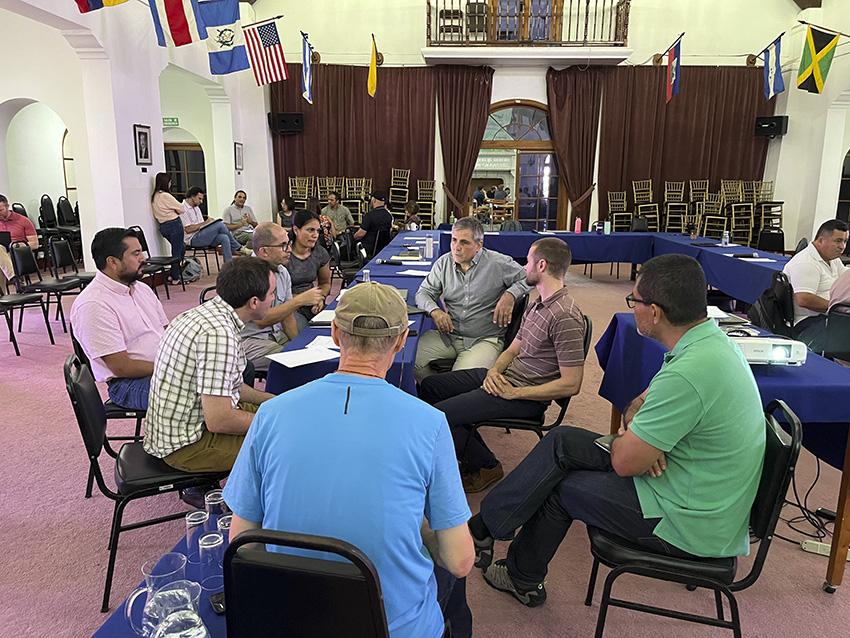
Finally, after several working sessions, they were able to define a cooperation agenda that seeks to support the transformation of food systems in the region, as agreed during the VIII Wallace Conference. Four possible areas of collaboration were identified:
- Student and faculty exchange
- Integration of multiple sectors in climate change planning and knowledge transfer: evidence-based decision making
- Restoring ecological functions in degraded landscapes
- Food and nutrition for the next generation: communicating for impact
The working groups linked to these opportunities will continue to make progress and will meet again in early August.
More information:
Leida Mercado
Director of Research for Inclusive Green Development
CATIE
Written by:
Karla Salazar Leiva
Communicator
Information Technology and Communication
CATIE