Multisectoral dialogue drives roadmap to reduce pesticide use in Costa Rican coffee
- More than 40 stakeholders from the coffee sector build a shared vision for Los Santos to become a regional benchmark in regenerative coffee farming by 2040.
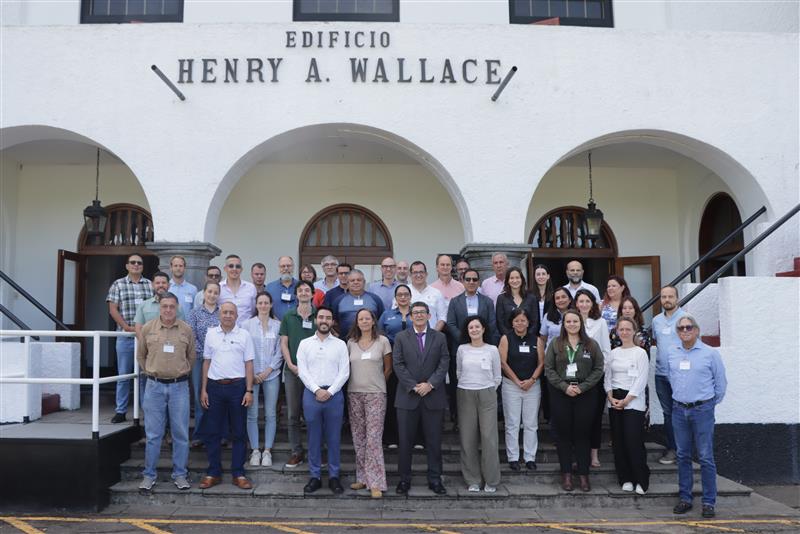
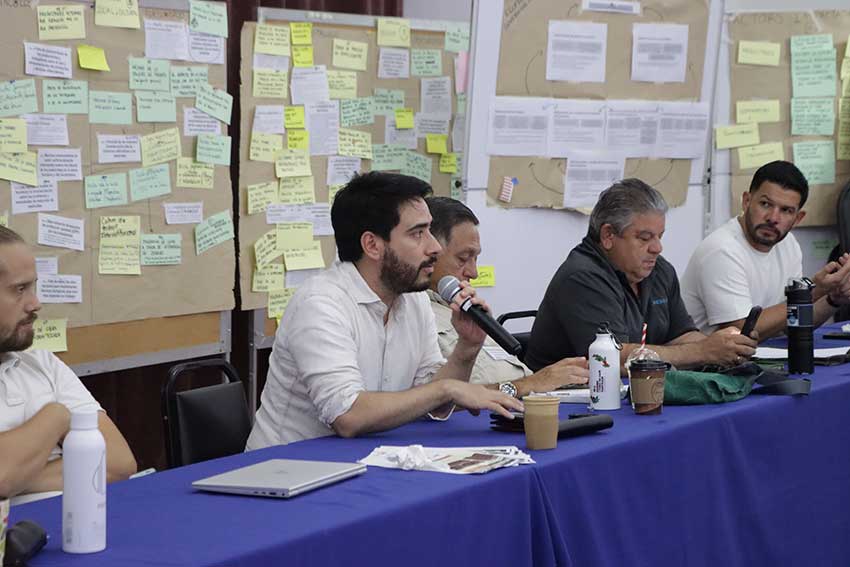
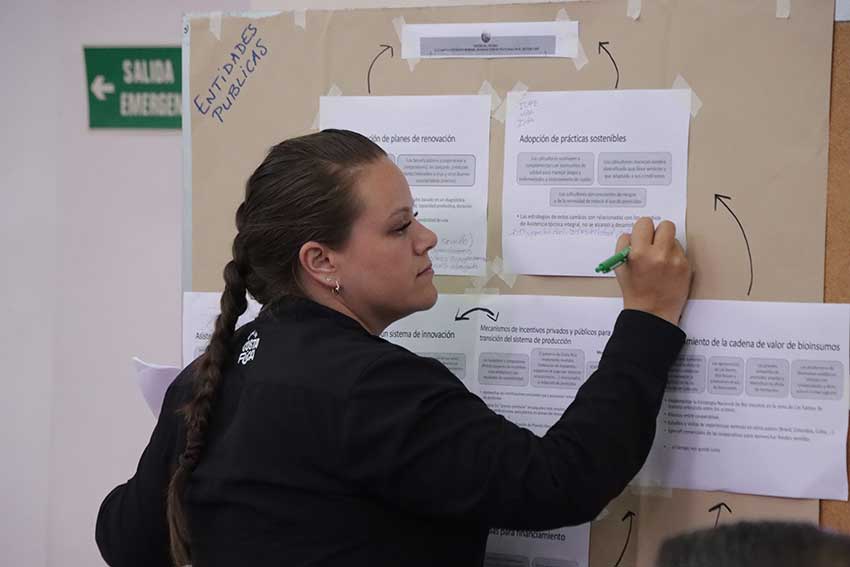
Coffee cultivation in Costa Rica took an important step toward sustainability with the implementation of a participatory workshop held from April 14 to 16, 2026, which brought together more than 40 representatives from 20 public, private, academic and international cooperation institutions. The initiative, promoted by ECOFFEE R&D and its National Dialogue Platform, took place at CATIE (Tropical Agricultural Research and Higher Education Center) with the aim of jointly developing strategies to reduce pesticide use in the Los Santos region.
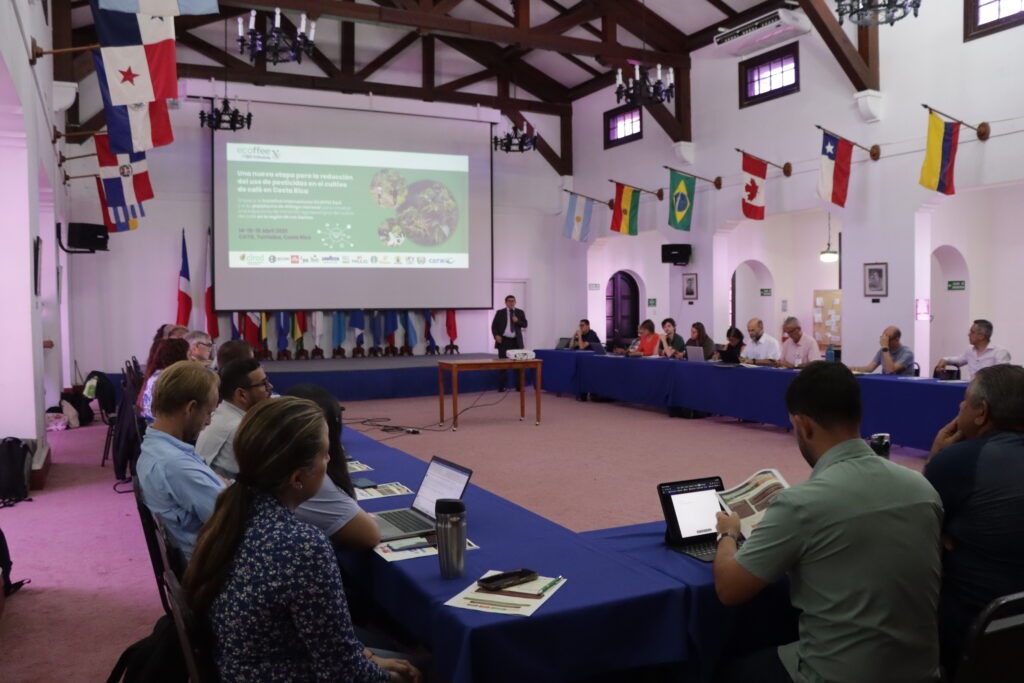
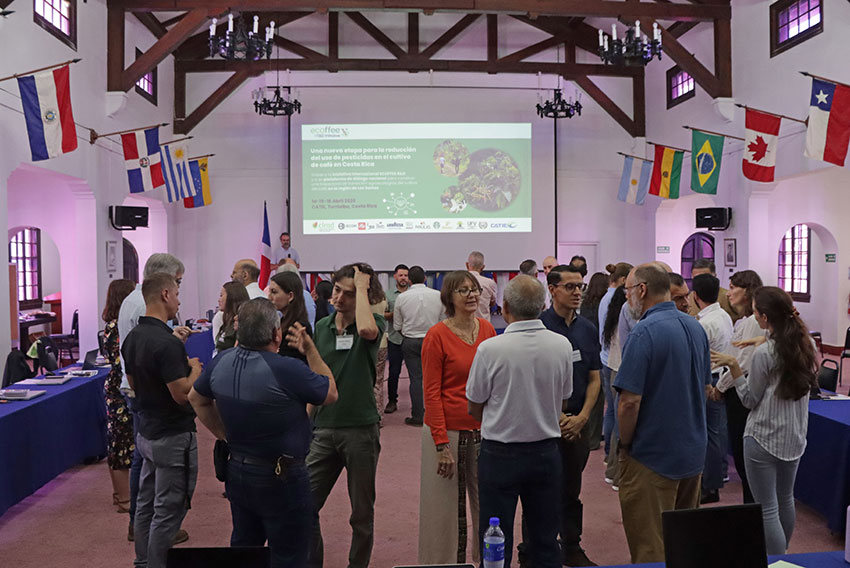
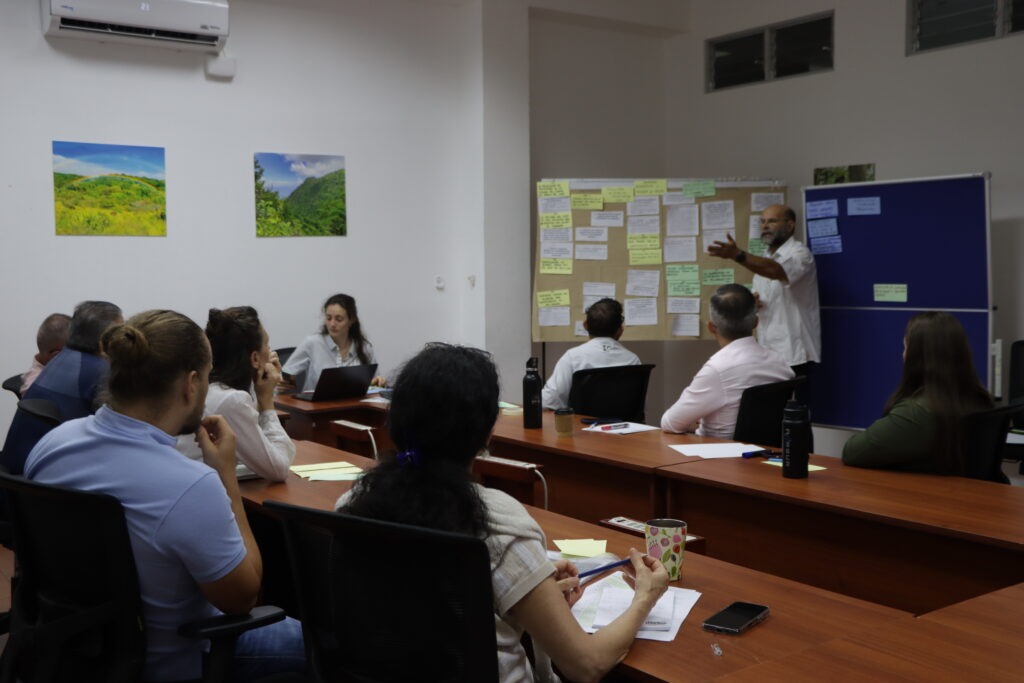
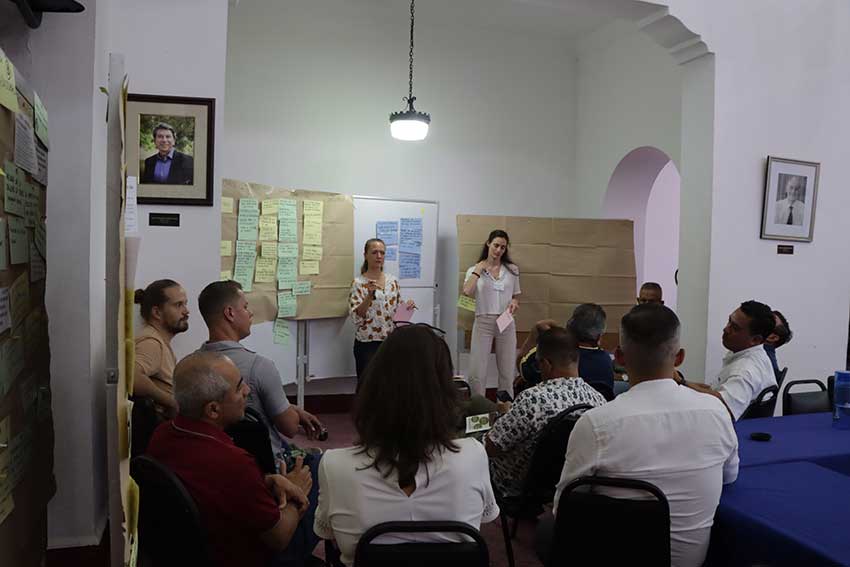
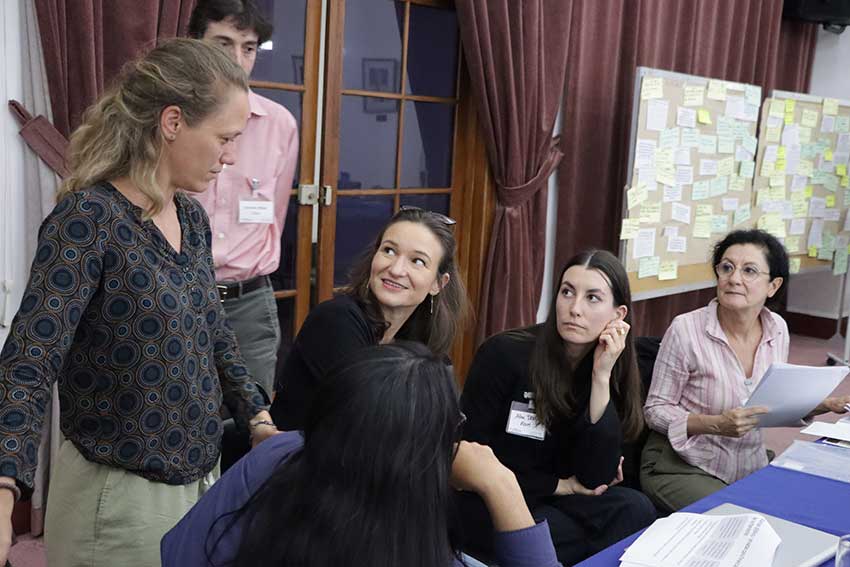
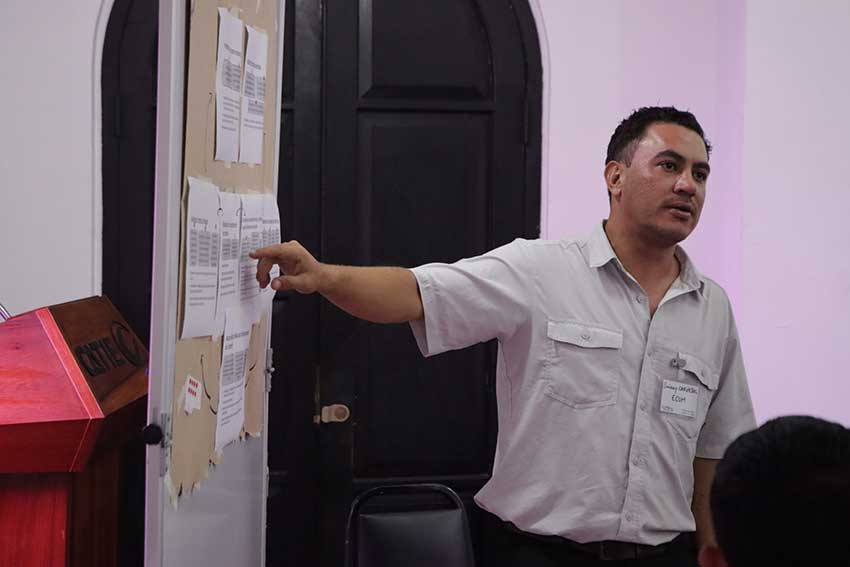
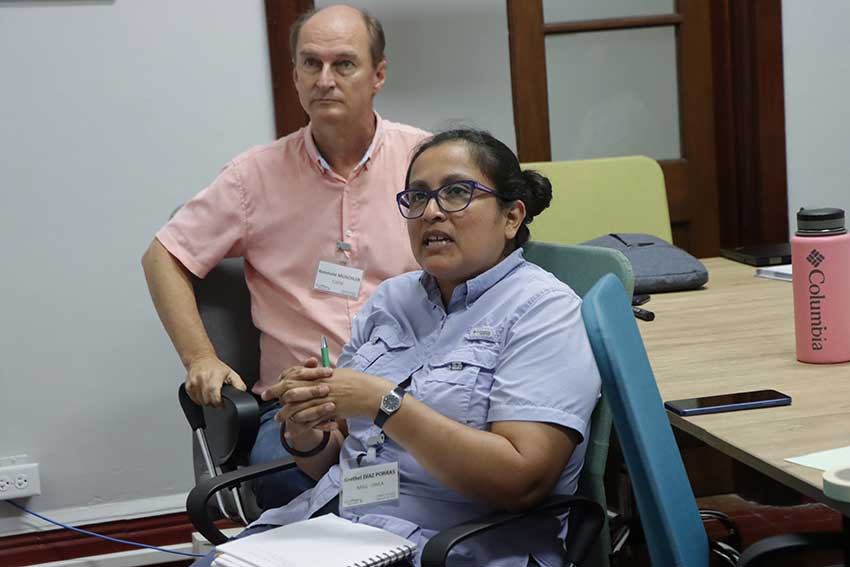
Over three days of work, the workshop facilitated an open and constructive dialogue among key stakeholders in the coffee sector, who analyzed the main challenges, opportunities and conditions required to promote an agroecological transition in coffee production. The process made it possible to identify “levers of change” and lay the groundwork for a pilot project aimed at positioning Los Santos as a showcase for sustainability.
One of the main achievements was the collective construction of a shared vision: to reduce pesticide use by 50% through the implementation of good agricultural practices, shade management and the use of bio-inputs, without compromising producers’ profitability.
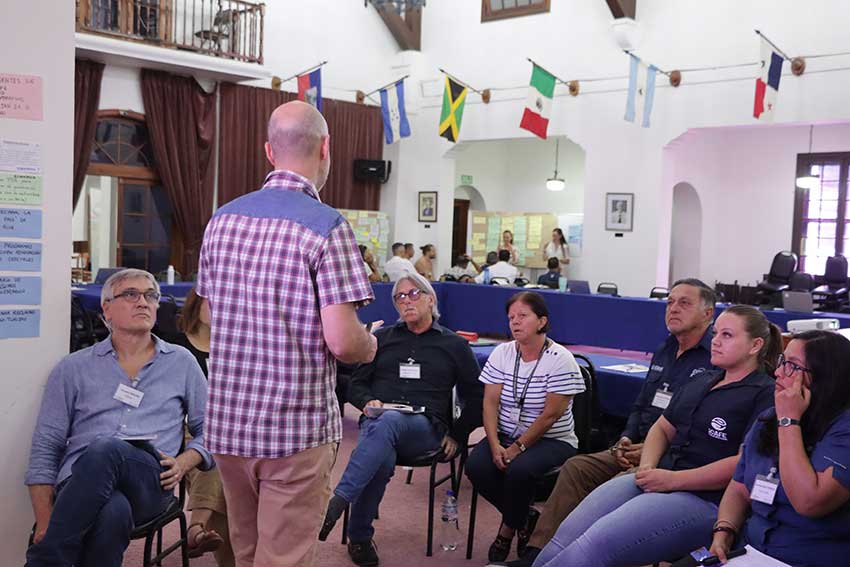
In addition, progress was made in the formulation of a theory of change to guide long-term collaborative work. This roadmap proposes that, by 2040, the Los Santos region can consolidate itself as a regional benchmark in regenerative coffee farming.
“Participation in this second ECOFFEE workshop is extremely important. It has allowed us to meet other stakeholders in person and, by working together, we will achieve our goals much faster, while also building more sustainable relationships over time,” said Gina Canales, Manager at JDE Peet’s.
Fernando Naranjo, President of the Board of Directors of ICAFE and a producer from the Los Santos region, highlighted the value of collective learning: “Twenty years ago, I was involved in organic agriculture, but I did not have the training I am receiving now. It is very motivating to see how new generations are taking up producers’ experience in regenerative agriculture; the farm becomes an open-air academic classroom.”
The workshop was characterized by a high diversity of stakeholders and active, respectful participation oriented toward joint construction. Through participatory methodologies, technical, economic, sociocultural and policy dimensions were analyzed, as well as the obstacles and opportunities for advancing toward more sustainable production systems.
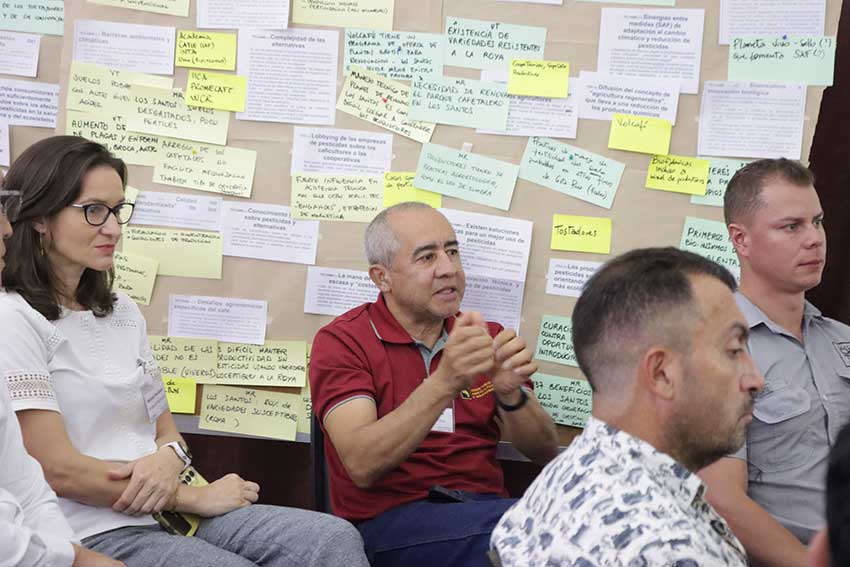
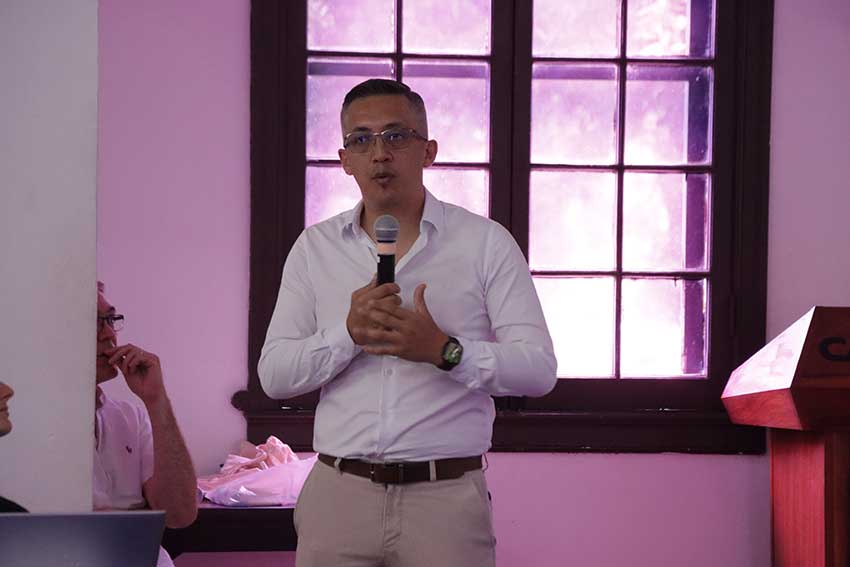
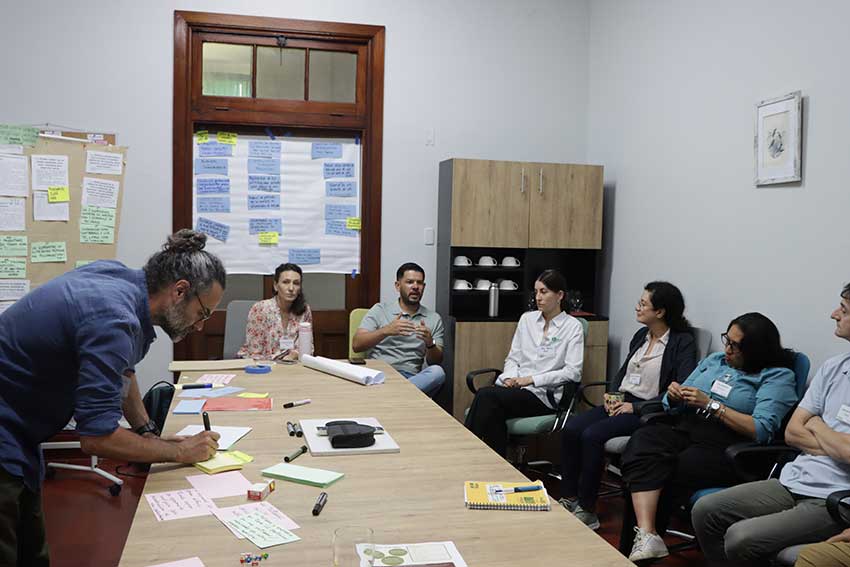
Entre las organizaciones participantes se encuentran empresas privadas como Lavazza Group, ECOM Corp. , incluyendo su filial ECOM-SMS, JDE Peet’s y Volcafé; instituciones públicas como el Ministerio de Agricultura y Ganadería (MAG), el Servicio Fitosanitario del Estado (SFE), el Instituto del Café de Costa Rica (ICAFE), el Instituto Nacional de Innovación y Transferencia en Tecnología Agropecuaria (INTA) ; organismos internacionales como la Unión Europea, el Instituto Interamericano de Cooperación para la Agricultura (IICA), la plataforma regional Promecafé, el Programa de las Naciones Unidas para el Desarrollo (PNUD) y la Agencia Francesa de Desarrollo/Expertise France; certificadora como Rainforest Alliance ; las cooperativas de CoopeTarrazú y CoopeDota y ; la empresa de bioinsumos Soluciones Agrícolas; así como instituciones académicas como el CATIE, la Universidad de Costa Rica (Sede del Atlántico) y CIRAD, entre otras.
The results obtained establish a solid foundation for moving forward with the next steps, which include the design and implementation of concrete actions between 2026 and 2027. This collaborative process seeks not only to transform coffee farming in Los Santos, but also to generate replicable lessons for other coffee-growing regions in the country.
More information:
Clément RIGAL
Executive Secretariat of the ECOFFEE Consortium
CIRAD-CATIE
clement.rigal@cirad.fr
Written by::
Karla Madrigal
Communicator
Communications and Marketing Office
Karla.madrigal@catie.ac.cr